
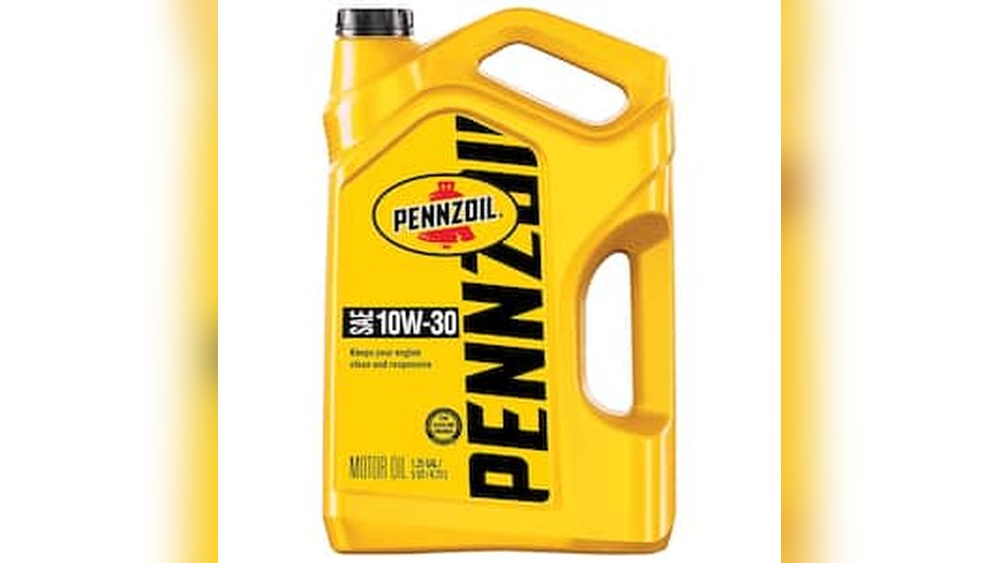
Have you ever looked at your car’s oil and wondered, “Why is car oil yellow?” It might seem like a small detail, but the color of your oil can tell you a lot about your vehicle’s health. Understanding why car oil is yellow helps you spot problems early and keep your engine running smoothly.
You’ll discover what makes car oil yellow and what changes in its color mean for your car. Keep reading—you’ll learn tips that can save you time, money, and hassle down the road.

Credit: www.reddit.com
Car Oil Basics
Engine oil plays a key role in keeping a car running smoothly. It lubricates engine parts and reduces wear. Oil also helps cool the engine and cleans away dirt. Understanding the basics of car oil helps explain why it often looks yellow. This knowledge is useful for car care and maintenance.
Types Of Engine Oil
There are three main types of engine oil: mineral, synthetic, and semi-synthetic. Mineral oil comes from crude oil and is the most basic type. Synthetic oil is man-made and designed for better performance. Semi-synthetic oil mixes both mineral and synthetic oils for balanced benefits. Each type has a slightly different color and consistency.
Oil Composition And Color
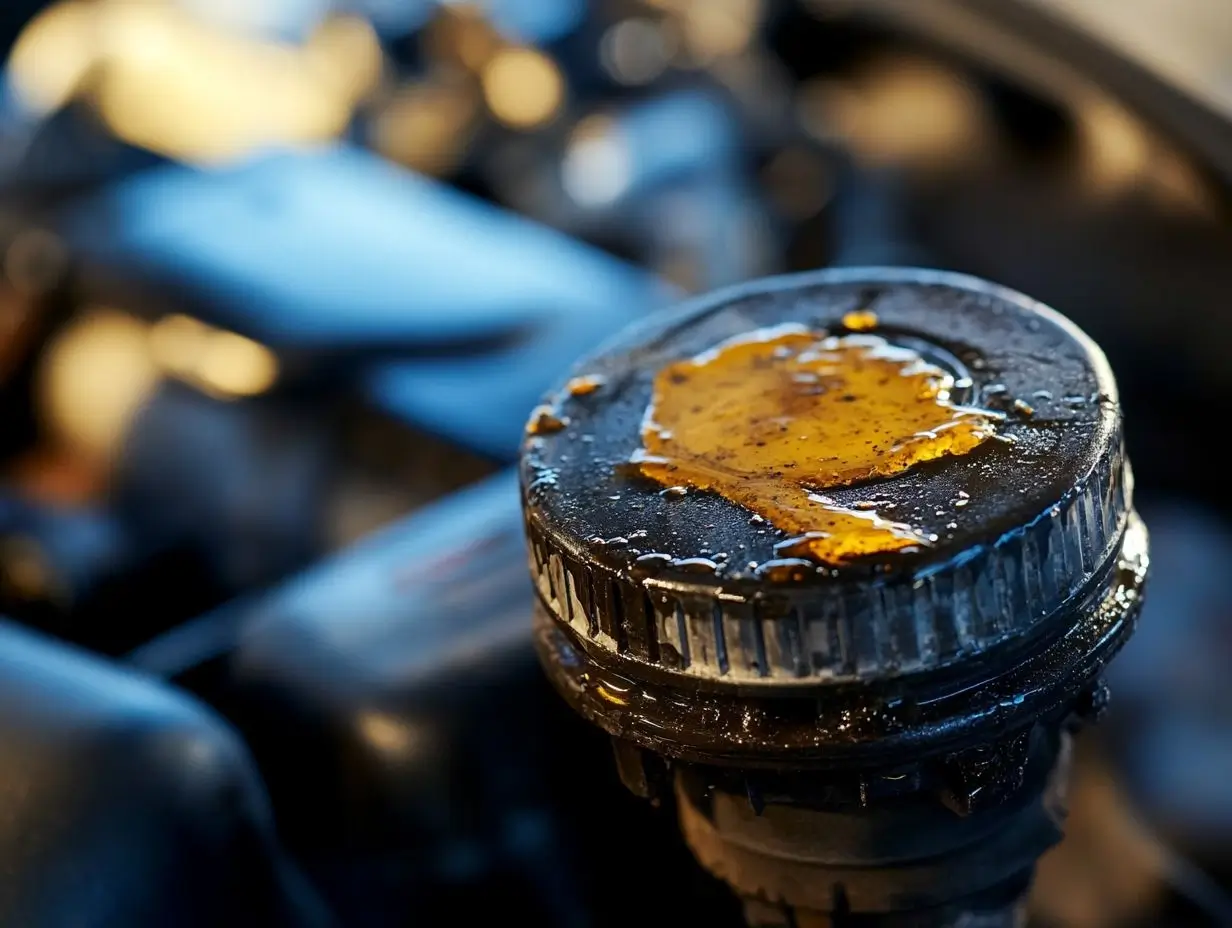
Engine oil contains base oil and additives. The base oil forms the bulk of the oil and gives it its natural color. Additives improve oil properties like cleaning and protection. Yellowish color often comes from these additives and the base oil blend. As oil ages, it darkens due to dirt and heat exposure. Fresh oil looks yellow or amber because it is clean and pure.
Credit: www.americanandimportautorepair.com
Reasons For Yellow Oil Color
Car oil often appears yellow due to several key factors. These factors influence the oil’s color before and after use. Understanding these reasons helps you know more about your vehicle’s engine health.
The yellow color is not random. It comes from the type of oil and how it is made. Let’s explore the main reasons behind this color.
Base Oil Characteristics
Base oil is the main part of motor oil. It starts as a clear or light-colored liquid. Some base oils naturally have a yellow tint. This tint comes from crude oil sources. The quality and type of base oil affect the final color.
Synthetic oils may have different colors but often keep a yellowish tone. This color helps identify the oil type and grade easily.
Additives And Dyes
Car oils contain additives to improve performance. These additives protect the engine and clean it. Some additives have a yellow color. They mix with the base oil, giving it a yellow shade.
Manufacturers also add dyes to distinguish oil brands. These dyes do not affect oil quality. The yellow dye makes the oil easy to identify during checks.
Oil Refining Process
The refining process changes crude oil into motor oil. During refining, some natural colors stay in the oil. The process removes impurities but keeps some yellow tones. This makes the oil look yellow instead of clear.
Different refining methods produce slightly different shades. This is normal and does not affect oil function.
Oil Color Changes Over Time
Car oil starts bright and yellow but changes color over time. This happens because of heat, dirt, and chemical changes. Watching oil color helps you know when to change it. Clean oil keeps your engine safe and running well. Understanding why oil color changes can save your car from damage.
Effects Of Engine Heat
Engine heat is very high during driving. This heat causes oil to break down slowly. As oil heats, its color darkens from yellow to brown or black. Hot oil loses some of its cleaning power. Heat also causes oil to become thinner and less effective.
Contaminants And Dirt
Oil collects dirt and tiny metal pieces from the engine. Dust and grime enter through small openings. These particles make oil darker and thicker. Contaminants reduce oil’s ability to protect engine parts. Dirty oil can cause engine wear and damage.
Oil Degradation
Oil changes chemically during use. It reacts with air and engine byproducts. This reaction causes oil to lose its original color. Oil breaks down into sludge and deposits. Old oil cannot lubricate engine parts well. Regular oil changes keep the engine clean and healthy.

Credit: mechanics.stackexchange.com
Interpreting Oil Color In Maintenance
Interpreting the color of your car’s oil helps you maintain engine health. Oil color tells a story about the engine’s condition and oil quality. Watching for color changes can prevent costly repairs. Understanding what yellow oil means is key to proper car care.
When Yellow Oil Is Normal
New engine oil often has a light yellow or amber color. This shade means the oil is clean and fresh. Some synthetic oils also appear yellow. The color changes as the oil picks up dirt and engine deposits. Yellow oil in a new or recently changed engine is usually normal.
Signs Of Oil Problems
Dark yellow or brown oil can indicate contamination. If the oil looks thick or gritty, it might be dirty. A milky or frothy yellow color can mean coolant is leaking into the oil. This problem needs quick attention to avoid engine damage. Odd colors in oil often signal a need for an oil change or inspection.
Checking Oil Condition
Check your oil regularly using the dipstick. Wipe it clean, dip again, and observe the color. Look for changes from the usual yellow or amber. Smell the oil; a burnt odor suggests overheating. Feel the oil; rough texture means dirt or metal particles. Regular checks help keep your engine running smoothly.
Choosing The Right Oil
Choosing the right oil for your car is very important. The oil keeps your engine clean and running smoothly. Using the wrong oil can cause damage or reduce performance. Different cars need different types of oil. Understanding these needs helps protect your engine and saves money.
Matching Oil To Vehicle Needs
Each vehicle has specific oil requirements. Check your car’s manual for recommended oil type and viscosity. Viscosity means how thick or thin the oil is. Thicker oil works better in hot weather. Thinner oil flows well in cold temperatures. Using the right viscosity keeps the engine parts well lubricated.
Older engines may need thicker oil than newer models. Some cars need oil with special additives. These additives help reduce wear and prevent corrosion. Follow your car maker’s advice for the best oil match.
Synthetic Vs Conventional Oils
Synthetic oil is made in labs with pure chemicals. It offers better protection at extreme temperatures. Synthetic oil lasts longer and keeps engines cleaner. Conventional oil comes from crude oil and is less processed. It is cheaper but needs changing more often. Some cars need synthetic oil only. Others can use conventional or a mix.
Choosing synthetic or conventional depends on your car and budget. Synthetic oil can improve fuel efficiency. Conventional oil works fine for older cars or short trips.
Oil Color And Quality
New car oil is usually yellow or amber in color. This color comes from natural oils and additives. Color alone does not show oil quality. Dark oil often means it is used and dirty. High-quality oil stays cleaner longer and protects better. Avoid oil with unusual colors or smells. These may signal contamination or poor quality.
Regular oil changes keep your engine safe. Always use oil that meets your car’s standards. Good oil helps your engine run quietly and last longer.
Frequently Asked Questions
Why Is Car Oil Yellow In Color?
Car oil is yellow due to additives and base oils used in its formula. The yellow hue helps indicate oil cleanliness and quality. Fresh oil typically appears yellow, signaling it is free from contaminants or wear particles.
Does Yellow Oil Mean Engine Oil Is New?
Yes, yellow oil usually means the engine oil is fresh and unused. Over time, oil darkens as it collects dirt, metal particles, and combustion byproducts. Bright yellow oil generally indicates good engine health and timely oil changes.
Can Yellow Oil Change Color Over Time?
Yes, yellow oil darkens to brown or black as it ages. Exposure to heat and engine contaminants causes this color change. Dark oil signals it’s time for an oil change to maintain engine performance.
Is Yellow Oil Safe For Engine Use?
Yellow oil is safe and ideal for engine use when fresh. It contains necessary additives to protect engine parts and improve lubrication. Using fresh yellow oil helps extend engine life and efficiency.
Conclusion
Car oil is yellow because of its natural color and additives. Clean oil helps your engine run smoothly and last longer. Over time, oil darkens as it picks up dirt and heat. Checking oil color helps you know when to change it.
Fresh yellow oil means your car is well cared for. Keep an eye on oil color for better engine health. Simple steps keep your car working right. Don’t ignore oil color—it tells a lot about your engine’s condition.
Recent Posts
Durable Jeep Wrangler American Flag License Plate Frame for Patriotic Drivers
Have you ever felt frustrated by a plain, worn-out license plate frame on your Jeep Wrangler? It’s a small detail, but it can really affect your vehicle’s look.Every time you see that dull...
Slim Design Audi Black License Plate Frame for Sleek Car Styling
Have you ever struggled with a bulky, noisy license plate frame that just doesn’t fit right? It can be so frustrating when your car’s style feels off or the frame rattles every time you...