
Have you ever checked your car’s oil and found it much lower than you expected? It can be confusing and even worrying.
Low car oil isn’t just a small problem—it can lead to serious damage if you ignore it. Understanding why your oil level is low helps you protect your engine and avoid costly repairs. You’ll discover the common reasons behind low car oil and what you can do right now to keep your vehicle running smoothly.
Keep reading to learn how to save your car and your wallet.
Credit: www.samarins.com
Common Causes Of Low Car Oil
Low car oil can cause serious engine problems. Knowing why oil levels drop helps you fix the issue fast. Several common causes lead to low oil in your car. Each one affects your engine’s health and performance.
Oil Leaks
Oil leaks are a main cause of low oil. Worn gaskets or seals let oil drip outside. You may see oil spots under your car. Leaks also reduce oil pressure, harming engine parts.
Oil Consumption
Cars use some oil during normal driving. Burning oil happens in the engine’s combustion process. High oil consumption means the engine burns too much oil. This lowers oil levels and can cause damage.
Engine Wear
Older engines wear down over time. Worn rings or valve seals let oil escape. This causes oil loss and smoke from the exhaust. Engine wear also reduces efficiency and power.
Faulty Oil Filter
A bad oil filter fails to trap dirt and debris. It may leak oil or clog up. This causes oil pressure drops and low oil levels. Changing the filter regularly keeps oil clean and flowing.

Credit: www.autonationmobileservice.com
Signs Of Low Oil Levels
Low oil levels can cause serious damage to your car’s engine. Knowing the signs helps you act fast. Catching these early saves money and keeps your car safe.
Watch for changes in how your car sounds, feels, and looks. These clues show your oil might be low.
Warning Lights
The oil warning light on your dashboard is the first sign. It glows red or yellow when oil pressure is low. Never ignore this light. Stop your car and check the oil level immediately.
Engine Noise
Low oil makes the engine louder than usual. You might hear knocking or ticking sounds. Oil lubricates engine parts. Without enough oil, parts rub and cause noise.
Overheating
Oil helps cool the engine. Low oil causes the engine to heat up fast. The temperature gauge may move into the red zone. Overheating can lead to engine failure.
Smoke From Exhaust
Thick or blue smoke from the exhaust signals low oil. Oil burns inside the engine if the level is too low. This smoke is a clear warning to check oil right away.
Checking And Maintaining Oil Levels
Checking and maintaining car oil levels is key to keeping your engine healthy. Low oil can cause serious damage and reduce engine life. Regular checks help spot leaks or burning oil early. Simple steps can save costly repairs later.
Knowing how to check oil, when to add more, and choosing the right type keeps your car running smooth. Regular oil changes also keep the engine clean and efficient.
How To Check Oil
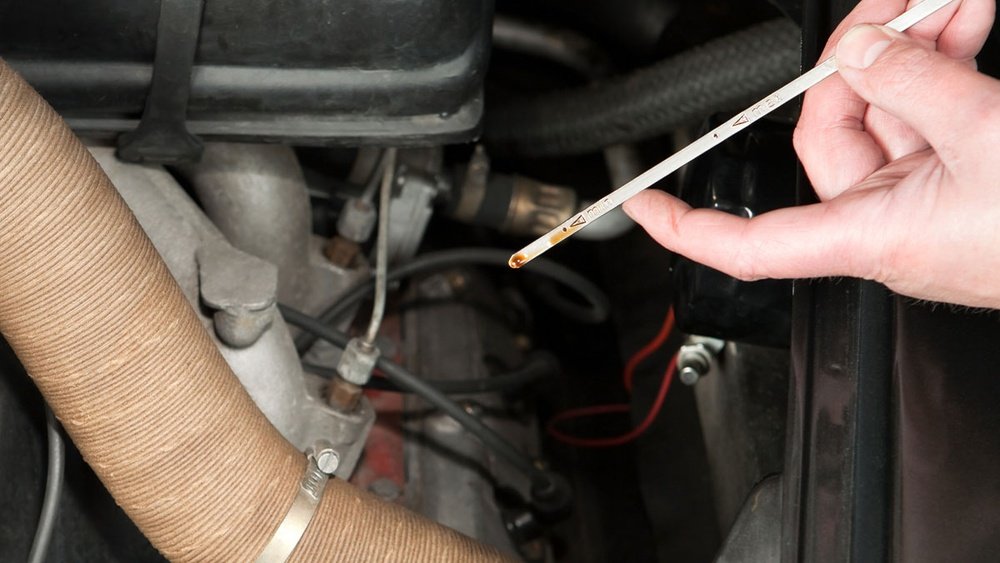
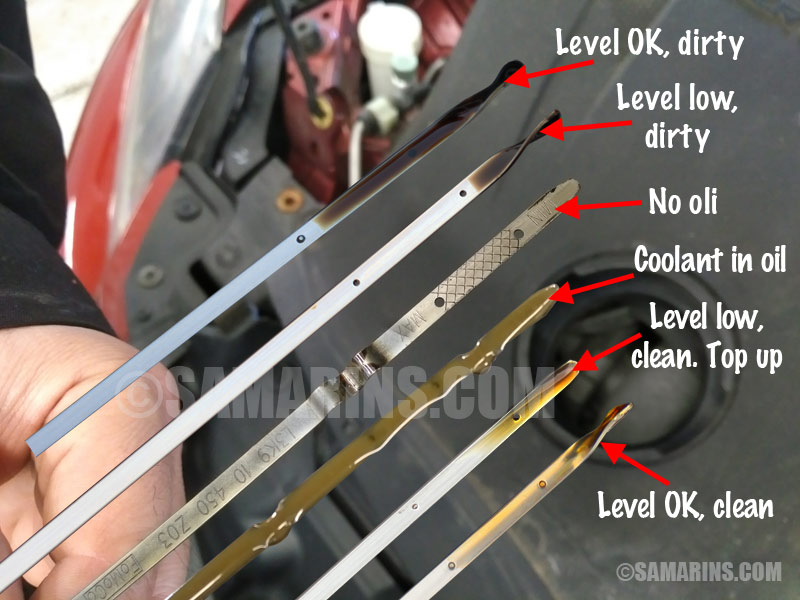
Park your car on a flat surface and turn off the engine. Wait a few minutes for the oil to settle. Pull out the dipstick and wipe it clean with a cloth. Insert it back fully, then pull it out again. Check the oil level against the marked lines. The oil should be between the minimum and maximum marks.
When To Top Up Oil
Top up oil if the level is near or below the minimum mark. Use the right oil type for your car. Avoid overfilling, as this can harm the engine. Check oil levels every month or before long trips to stay safe.
Choosing The Right Oil
Use oil recommended in your car’s manual. Different engines need different oil types and weights. Synthetic oils last longer and protect better in extreme temperatures. Regular oil works fine for older cars or short trips. Choose quality oil to keep your engine running well.
Regular Oil Changes
Change oil every 3,000 to 7,500 miles, depending on your car and oil type. Fresh oil keeps the engine clean and lubricated. Old oil thickens and loses its protective power. Follow your car maker’s schedule for oil changes. This prevents engine wear and improves fuel efficiency.
Consequences Of Ignoring Low Oil
Ignoring low car oil can cause serious problems. Oil keeps the engine parts moving smoothly. Without enough oil, the engine faces more friction and heat. These issues can damage your car over time. Understanding the consequences helps you avoid costly repairs and poor car performance.
Engine Damage
Low oil causes metal parts to rub together. This rubbing creates heat and wears down the engine. Parts can break or seize up. Engine damage may lead to total engine failure. Repairing or replacing the engine is expensive and time-consuming.
Reduced Performance
Oil helps the engine run efficiently. Low oil makes the engine work harder. Your car may lose power and run rough. Fuel consumption can increase. The engine might overheat, causing breakdowns. Driving becomes less smooth and less safe.
Increased Repair Costs
Ignoring low oil leads to bigger problems. Small repairs turn into major fixes. Engine parts like pistons and bearings wear out faster. Repair bills can rise quickly. Regular oil checks and changes save money in the long run.
Preventing Low Oil Issues
Keeping your car oil at the right level helps your engine last longer. Low oil can cause serious damage and costly repairs. Preventing low oil problems is easier than fixing them. Simple habits and regular care keep your engine healthy. Here are some key steps to stop low oil issues before they start.
Routine Inspections
Check your oil level often. Use the dipstick to see the amount of oil. Do this at least once a month or before long trips. Look for any signs of leaks under your car. Early checks catch small problems fast. This saves money and prevents engine damage.
Using Quality Parts
Choose the right oil for your car model. Quality oil protects the engine better and lasts longer. Use filters designed for your vehicle. Cheap parts may cause oil leaks or wear out quickly. Good parts keep oil clean and flowing smoothly.
Professional Servicing
Visit a mechanic regularly for oil changes and checks. Experts spot issues you might miss. They replace oil and filters properly. Regular service keeps your car running well. Trust professionals to maintain your engine’s health.

Credit: girlingtongarage.com
Frequently Asked Questions
Why Is My Car Oil Level Low Quickly?
Low car oil level often results from leaks, burning oil, or poor maintenance. Regular checks and timely top-ups prevent engine damage and ensure smooth operation.
How Does Engine Oil Leak Cause Low Oil?
Engine oil leaks happen due to worn seals, gaskets, or damaged oil pans. Leaks reduce oil levels, risking engine wear and overheating if not fixed promptly.
Can Driving Habits Affect Car Oil Levels?
Yes, aggressive driving or frequent short trips increase oil consumption. These habits cause faster oil breakdown and evaporation, leading to lower oil levels sooner.
How Often Should I Check My Car Oil?
Check your car oil at least once a month. Regular checks help spot low levels early and avoid engine problems caused by insufficient lubrication.
Conclusion
Car oil can run low for many common reasons. Leaks, burning oil, or worn engine parts often cause this. Checking oil levels regularly helps keep your car safe. Adding oil on time prevents engine damage and costly repairs. Pay attention to changes in oil levels or engine sounds.
Taking care of your car’s oil keeps it running smoothly. Don’t ignore low oil signs; act quickly to avoid problems. Simple steps can protect your engine and extend its life. Keep oil levels steady for a healthy, reliable car.
Recent Posts
Car Fridge Power Cable: Essential Guide to Reliable Cooling on the Go
Have you ever been on a long road trip, only to find your car fridge powerless because the cable didn’t fit or broke? It’s frustrating when your cold drinks or snacks spoil just because of a...
Best Tesla Model 3 License Plate Frame No Drill Install for Easy Setup
Have you ever tried to install a front license plate on your Tesla Model 3, only to realize you need to drill holes? It’s frustrating and nerve-wracking.You worry about damaging your car’s...