
Have you ever wondered when cassette tapes first made their way into cars? If you grew up with a car stereo, you probably remember the satisfying click of a cassette sliding into place.
But how did this small plastic tape change the way we enjoyed music on the road? You’ll discover the fascinating story behind the arrival of cassette tapes in cars—and why they became a game-changer for drivers everywhere. Keep reading to find out exactly when and how this innovation hit the streets and transformed your driving experience forever.
Early Car Audio Before Cassettes
Before cassette tapes found their way into car audio systems, drivers enjoyed music through simpler technologies. The journey of car audio began with radios and then moved to 8-track tapes. These early devices shaped how people experienced music while driving. Understanding these helps us see why cassette tapes became so popular later.
Radio Dominance
Radios were the first audio devices in cars. They allowed drivers to listen to news and music live. Radios used AM and later FM bands. These bands gave access to many stations. The sound quality was basic but clear enough for most users. Radios became a staple in cars by the 1930s. They made driving more entertaining and informative.
8-track Tapes Introduction
The 8-track tape player arrived in the mid-1960s. It brought a new way to listen to recorded music in cars. Unlike radios, 8-tracks played pre-recorded tapes. Drivers could choose albums and songs without needing a radio signal. These tapes had a continuous loop design. This allowed music to play without interruption. 8-tracks were popular but bulky and less reliable over time. Still, they paved the way for more compact formats like cassettes.

Credit: www.reddit.com
Inception Of Cassette Tapes
Cassette tapes changed how people listened to music. Before cassettes, music came mostly on vinyl records. These records were large and not easy to carry. The invention of cassette tapes made music portable. People could play music anytime and anywhere.
The cassette tape started a new way to enjoy audio. It was smaller and more practical than earlier formats. This innovation led to many new uses in daily life. Especially in cars, cassette tapes became very popular.
Philips And The Compact Cassette
Philips introduced the compact cassette in 1963. They designed it to be easy to use and carry. The cassette was smaller than other tape formats. It had two spools inside a plastic case. This design protected the tape from dust and damage.
Philips made the cassette to record and play sound. It worked with simple machines called cassette players. This new format was a big step forward for audio technology. It allowed people to record their own music or voice.
Initial Consumer Reception
At first, people were curious about cassette tapes. Some worried about sound quality compared to records. Others liked the idea of carrying music easily. Soon, more people started using cassette players at home.
Car manufacturers saw the potential for cassettes. They began adding cassette players to car dashboards in the late 1960s. This made music listening more personal and flexible. Drivers could now enjoy their favorite songs on the road.
First Car Cassette Players
The first car cassette players brought a new way to enjoy music on the road. Before cassettes, car radios only played AM and FM stations. The arrival of cassette players allowed drivers to listen to their favorite tapes anytime. This change made car rides more fun and personal.
Pioneer Innovations
Pioneer was among the first to develop car cassette players. They introduced their in-car cassette system in the late 1960s. Their design was compact and fit easily into car dashboards. Pioneer’s players offered better sound quality than car radios of that time. They helped make cassette tapes popular for car use.
Major Automakers Adoption
In the early 1970s, major car makers began adding cassette players. Brands like Ford, Chevrolet, and Toyota started offering them as options. By the mid-1970s, many new cars came with built-in cassette decks. This trend grew quickly, making cassette players a common car feature. It changed how people experienced music while driving.
Rise In Popularity During The 1970s And 80s
The 1970s and 80s marked a big change in how people listened to music in cars. Cassette tapes became very popular during this time. They brought a new way to enjoy music on the road. Drivers and passengers could now carry their favorite songs easily. This made car journeys more fun and personal.
Before cassettes, car radios played only limited music. Cassette tapes allowed people to choose what they wanted to hear. This freedom helped cassettes grow in popularity fast. They soon became a common feature in most cars.
Mass Market Appeal
Cassette players became affordable for many car owners. Car makers started including tape decks in new models. This made cassettes accessible to a wide audience. People of all ages used them to listen to music. The compact size of tapes fit perfectly in cars. This convenience boosted their demand and sales.
Impact On Music Listening Habits
People could now create their own mixtapes. This changed how they enjoyed music daily. Listeners no longer depended on radio stations. They controlled what played during drives. Long trips became more enjoyable with favorite songs. Cassette tapes also made sharing music easy. Friends exchanged tapes with new songs to try. This shifted music listening into a more personal experience.
Technological Improvements
Technological improvements made cassette tapes popular in cars. Early car cassette players had simple designs. Over time, new features made them easier and more fun to use. These changes helped cassette tapes stay useful for many years.
Auto-reverse Mechanism
Auto-reverse allowed tapes to play both sides without removal. Drivers no longer had to stop the car to flip the tape. This feature made listening smooth and continuous. It saved time and kept the music flowing.
Improved Sound Quality
Sound quality improved with better tape materials and players. Noise reduction systems lowered hiss and background sounds. This made music clearer and more enjoyable. People could hear more details in songs while driving.
:max_bytes(150000):strip_icc()/woman-inserting-eight-track-tape-in-car-stereo-515108142-5bce0a8cc9e77c00516f93f0.jpg)
Credit: www.imperiodacostela.com.br
Cultural Impact Of Car Cassette Players
The introduction of cassette players in cars changed how people enjoyed music on the road. Before cassettes, drivers had limited choices, mostly radio stations. Car cassette players gave listeners control over what they heard. This shift affected daily commutes, road trips, and even social life. Music became a personal companion during drives. The cultural impact of car cassette players is still felt today. They shaped listening habits and made music more accessible everywhere.
Road Trip Soundtracks
Car cassette players made road trips more fun. Drivers and passengers could bring favorite tapes along. Playlists became a way to share moods and stories. Songs marked special moments on the journey. People created mixtapes for friends and loved ones. These tapes often became keepsakes, reminding them of trips. Road trips turned into musical adventures with personalized soundtracks. This added joy made travel memorable and unique.
Personalized Music Experience
Before car cassette players, music was mostly one-way. Radio stations decided what played. Cassette tapes gave listeners control. People chose songs that fit their taste and mood. They could rewind, fast forward, or pause music anytime. This freedom made listening more engaging. Music became a personal experience in cars. It allowed self-expression through the choice of songs. The cassette player helped people connect emotionally with their music on the road.
Decline And Legacy
The cassette tape was once a beloved part of car audio systems. It brought music and stories to drivers everywhere. But technology moves fast, and cassettes did not stay on top forever. The decline of cassette tapes in cars shows how new ideas replace old ones. Yet, their legacy still lives in many ways.
Rise Of Cds And Digital Media
Compact discs (CDs) arrived in the 1980s and quickly gained popularity. They offered clearer sound and easier use than cassettes. Car makers started installing CD players alongside or instead of cassette decks. Later, digital media players and smartphones changed the game again.
Music apps and USB drives made it simple to carry thousands of songs. Cassette tapes became less common in new cars. By the early 2000s, they were mostly gone from most vehicles. Still, some drivers held onto their tape collections and players.
Cassette Nostalgia Today
Today, cassette tapes hold a special place in many hearts. They remind people of a different time and feel. Some music fans collect tapes and even play them in vintage cars. New bands sometimes release music on cassette for a retro touch.
Car enthusiasts restore old vehicles with working cassette players. This brings back the joy of flipping tapes and hearing the familiar clicks. The cassette tape’s charm continues, even as digital music dominates roads.
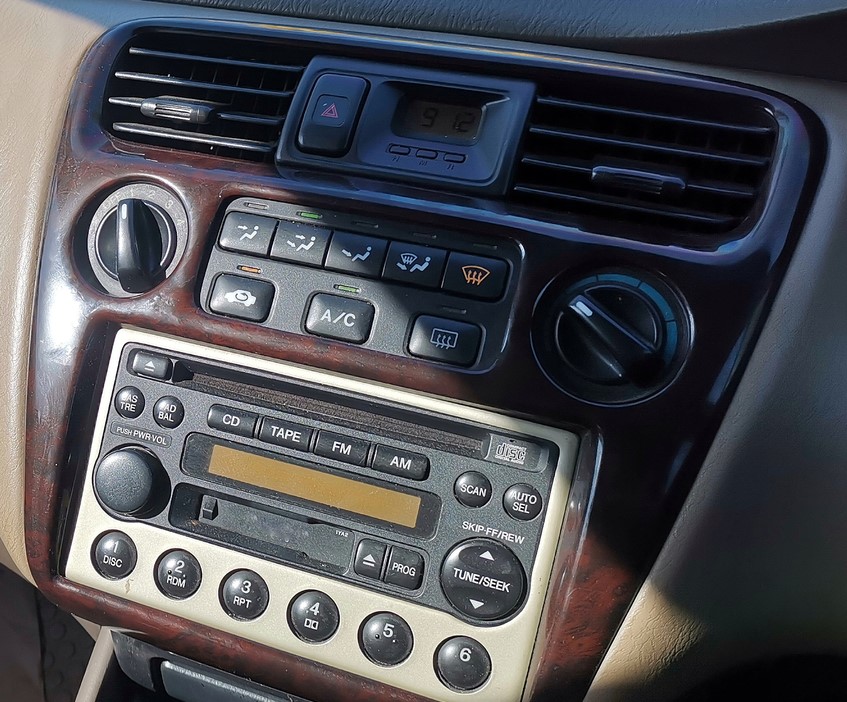
Credit: shopkunes.com
Frequently Asked Questions
When Were Cassette Tapes First Used In Cars?
Cassette tapes appeared in cars during the late 1960s. The first factory-installed car cassette player debuted in 1968. This innovation allowed drivers to listen to personalized music on the go, changing in-car entertainment forever.
Why Did Cassette Tapes Become Popular In Car Audio?
Cassette tapes became popular due to their portability and convenience. They were easy to use, allowed personal music choice, and offered better sound quality than radios. This made them a preferred option for car audio in the 1970s and 1980s.
Which Car Model First Featured A Cassette Tape Player?
The 1968 Chrysler Imperial was the first car to feature a factory-installed cassette player. This marked a major shift in automotive entertainment, introducing a new way for drivers to enjoy music while driving.
How Did Cassette Tapes Impact Driving Experience?
Cassette tapes allowed drivers to listen to their favorite music anytime. They reduced reliance on radio stations and increased music variety. This improved the overall driving experience by providing entertainment tailored to individual tastes.
Conclusion
Cassette tapes first appeared in cars during the late 1960s. They quickly became popular for playing music on the road. Drivers enjoyed the convenience and easy use of tape players. Over time, cars made cassette players a common feature. Though newer technologies replaced tapes, many still remember their charm.
The rise of cassettes marked a key moment in car audio history. It showed how people wanted music with them everywhere. This simple device changed how we enjoyed music while driving.
Recent Posts
Car Fridge Power Cable: Essential Guide to Reliable Cooling on the Go
Have you ever been on a long road trip, only to find your car fridge powerless because the cable didn’t fit or broke? It’s frustrating when your cold drinks or snacks spoil just because of a...
Best Tesla Model 3 License Plate Frame No Drill Install for Easy Setup
Have you ever tried to install a front license plate on your Tesla Model 3, only to realize you need to drill holes? It’s frustrating and nerve-wracking.You worry about damaging your car’s...