Imagine driving your car and suddenly it starts making strange noises or the engine feels rough. One common cause could be that your car is out of oil.
If you don’t act quickly, this can lead to serious damage and expensive repairs. So, what should you do if your car runs out of oil? You’ll learn the exact steps to take right away to protect your engine and keep your car running smoothly.
Keep reading—you don’t want to miss these crucial tips that could save you time and money.
Signs Of Low Or No Oil
Noticing signs of low or no oil in your car is critical. Oil keeps the engine parts moving smoothly and cools down the engine. Running your car without enough oil can cause severe damage fast.
Knowing the signs helps you act quickly and avoid costly repairs. Watch for these clear warnings that your oil level might be dangerously low.
Dashboard Warning Lights
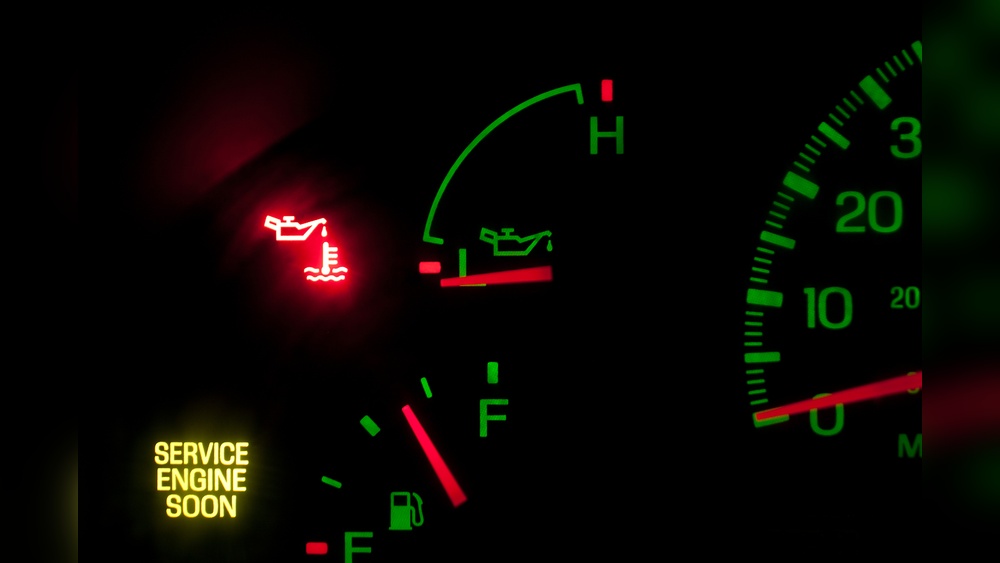
The oil warning light on your dashboard is the first sign. It usually looks like an oil can. This light turns on when oil pressure is low or oil level is too low. Ignoring this light can lead to engine damage. Stop the car and check the oil level immediately.
Unusual Engine Noises
Low oil makes the engine parts rub without enough lubrication. This causes strange noises like knocking or ticking sounds. These noises mean metal is grinding on metal. It can quickly damage your engine if you do not add oil soon.
Overheating Engine
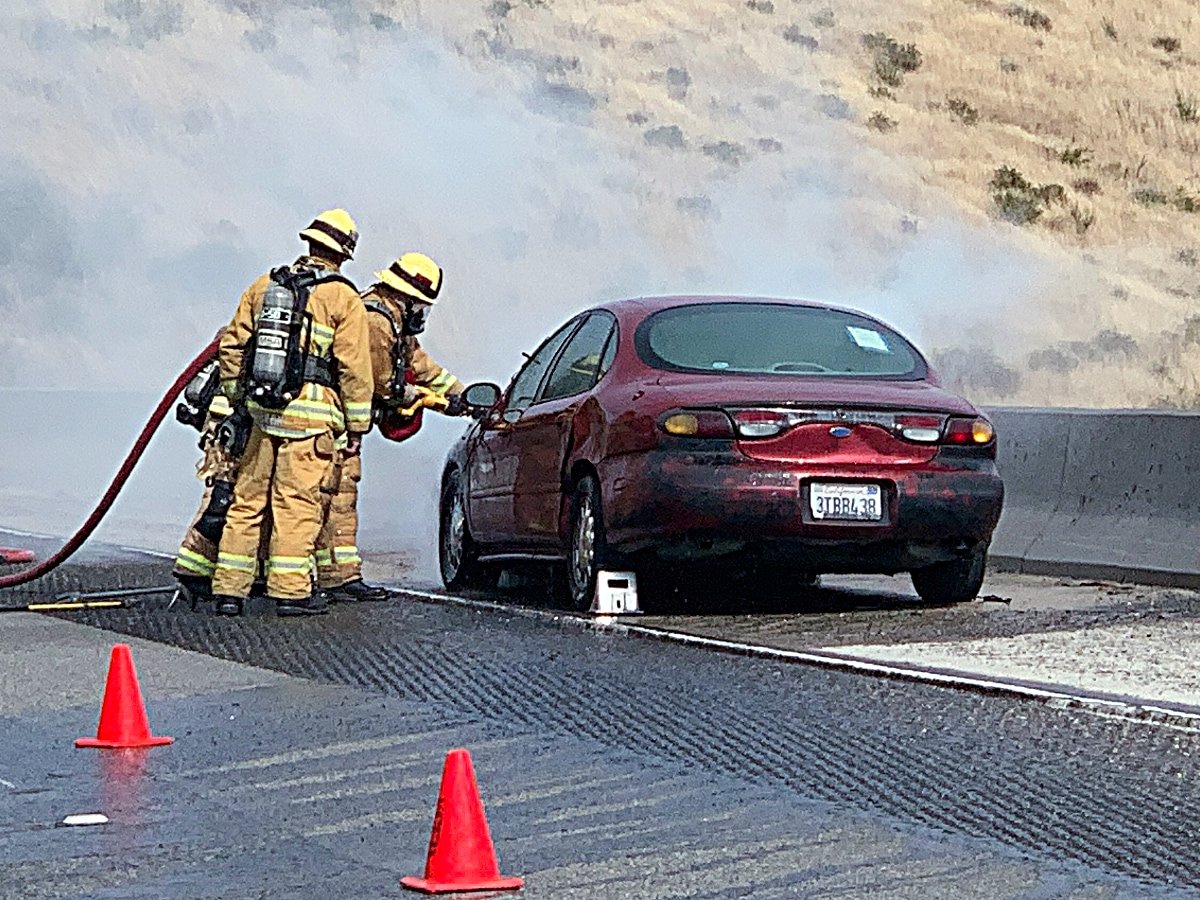
Oil also helps cool the engine. Without enough oil, the engine temperature rises fast. You may see the temperature gauge climb or steam from the hood. Overheating can cause engine parts to warp or break. Turn off your car and let it cool down before checking the oil.
Credit: www.veterancardonations.org
Immediate Steps To Take
Running out of oil while driving can cause serious engine damage. Act fast to protect your car. Follow these immediate steps to keep your engine safe and avoid costly repairs.
Pull Over Safely
Find a safe spot to stop your car. Use your turn signals to show you are moving to the side. Avoid sudden stops. Pull over slowly and carefully. Stay away from busy roads or sharp curves.
Turn Off The Engine
Switch off the engine right away. This stops the engine parts from moving without oil. Running the engine dry can cause severe damage. Wait a few minutes before checking the oil. This allows the oil to settle.
Check The Oil Level
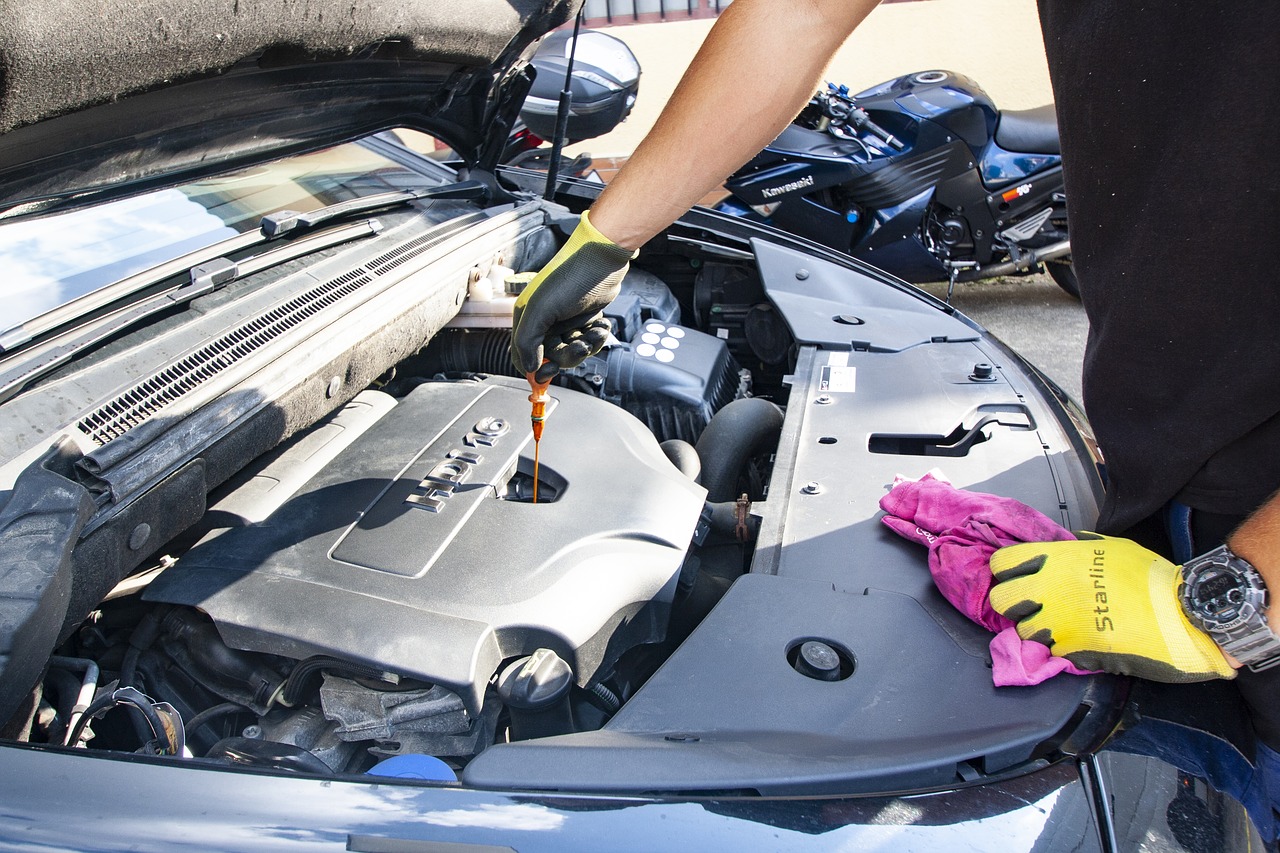
Open the hood and locate the dipstick. Pull it out and wipe it clean. Insert it back fully, then pull it out again. Look at the oil level on the stick. Low or no oil means you need to add more before driving.
Adding Oil On The Spot
Running out of oil while driving is a serious problem. Adding oil on the spot can save your engine from damage. It is important to act quickly but carefully. Having the right oil and knowing how to add it properly helps protect your car. Follow simple steps to fix the issue safely.
Choosing The Right Oil
Check your car’s owner manual for the oil type. Most cars use either synthetic or conventional oil. Use the exact oil weight, like 5W-30 or 10W-40. Avoid mixing different oil types. If unsure, buy the oil recommended for your engine. Using the wrong oil can harm your car.
How To Add Oil Properly
Park your car on a flat surface. Turn off the engine and let it cool for a few minutes. Open the hood and find the oil filler cap. Clean the area around the cap to avoid dirt getting inside. Pour the oil slowly into the opening. Check the dipstick often to see the oil level. Stop adding when it reaches the full mark.
Precautions When Adding Oil
Do not overfill the engine with oil. Too much oil can cause leaks and damage. Avoid spilling oil on hot engine parts. Wipe any spills immediately. Use gloves to keep your hands clean. Dispose of empty oil containers properly. Keep oil away from children and pets.
Credit: www.jdpower.com
When To Call For Help
Running out of oil in your car can cause serious engine damage. Acting fast is key to avoid costly repairs. Knowing when to call for help can save your vehicle and keep you safe on the road.
Roadside Assistance Options
Roadside assistance can help add oil and check your car. Many services offer quick help near your location. Some insurance plans include free roadside help. Calling them can prevent further engine damage.
Towing Services
Do not drive your car if oil is empty. Driving can ruin the engine completely. Use towing services to take your car to a shop. Towing keeps your vehicle safe from more harm.
Professional Mechanic Support
A mechanic can inspect your car and fix oil problems. They check for leaks and oil pump issues. Professionals provide the right oil type and amount. Trusting a mechanic helps avoid future engine trouble.
Preventing Future Oil Issues
Preventing future oil issues keeps your car safe and running well. Small steps can stop big problems. Checking oil often and changing it on time saves money and stress. Knowing the early signs helps you act fast. Here are easy ways to protect your engine from oil trouble.
Regular Oil Checks
Check your car’s oil level every two weeks. Use the dipstick under the hood. Pull it out, wipe clean, then dip again. See if oil covers the stick. Low oil means add more soon. Don’t wait for the warning light.
Scheduled Oil Changes
Follow the oil change schedule in your car manual. Most cars need new oil every 3,000 to 7,000 miles. Fresh oil keeps the engine parts moving smoothly. Old oil can cause engine damage and poor fuel use.
Recognizing Early Warning Signs
Watch for smoke from the exhaust or strange engine noises. Oil spots under the car also show leaks. Check for the oil light on the dashboard. These signs mean oil problems need quick attention.
Potential Engine Damage Risks
Running a car without oil causes serious engine damage. Oil keeps the engine parts cool and clean. Without oil, friction increases. This leads to overheating and wearing out of engine parts. Many engine components can fail fast without proper lubrication.
Consequences Of Running Without Oil
Without oil, engine parts rub directly on each other. This causes metal to grind and break. The engine can seize, stopping the car completely. Overheating can warp the engine block or cylinder heads. Small issues turn into major engine failure quickly.
Repair Costs
Fixing damage from no oil is costly. Simple repairs might include replacing bearings or gaskets. Severe damage can mean rebuilding the engine. Repair bills can reach thousands of dollars. These costs often exceed regular maintenance expenses.
When Engine Replacement Is Needed
Some damage can be beyond repair. A seized or cracked engine might need full replacement. Engine replacement is expensive and time-consuming. It often makes more sense to buy a new or used engine. Early detection of low oil saves money and stress.

Credit: motor.onehowto.com
Frequently Asked Questions
What Happens If My Car Runs Out Of Oil?
Running out of oil causes engine parts to overheat and wear quickly. This can lead to severe engine damage and costly repairs. Immediate action is crucial to prevent permanent engine failure.
How Can I Check If My Car Is Out Of Oil?
Use the dipstick to check oil levels. Pull it out, wipe clean, reinsert, then remove again. If oil level is below the minimum mark, your car is low or out of oil.
Can I Drive My Car Without Oil?
No, driving without oil can cause engine seizure. Oil lubricates engine parts and prevents overheating. Stop your car immediately and add oil before driving again.
What Should I Do If My Car Is Out Of Oil?
Stop the vehicle safely and turn off the engine. Add the recommended oil type slowly. Check for leaks and consult a mechanic if unsure.
Conclusion
Running a car without oil causes serious engine damage. Stop the car right away if oil runs out. Check the oil level with the dipstick. Add the right oil type to refill the engine. Avoid driving long distances until oil is restored.
Regular oil checks help prevent this problem. Keep spare oil in your car for emergencies. Taking quick action saves money and repairs. Stay safe by knowing what to do next.
Recent Posts
Durable Jeep Wrangler American Flag License Plate Frame for Patriotic Drivers
Have you ever felt frustrated by a plain, worn-out license plate frame on your Jeep Wrangler? It’s a small detail, but it can really affect your vehicle’s look.Every time you see that dull...
Slim Design Audi Black License Plate Frame for Sleek Car Styling
Have you ever struggled with a bulky, noisy license plate frame that just doesn’t fit right? It can be so frustrating when your car’s style feels off or the frame rattles every time you...