
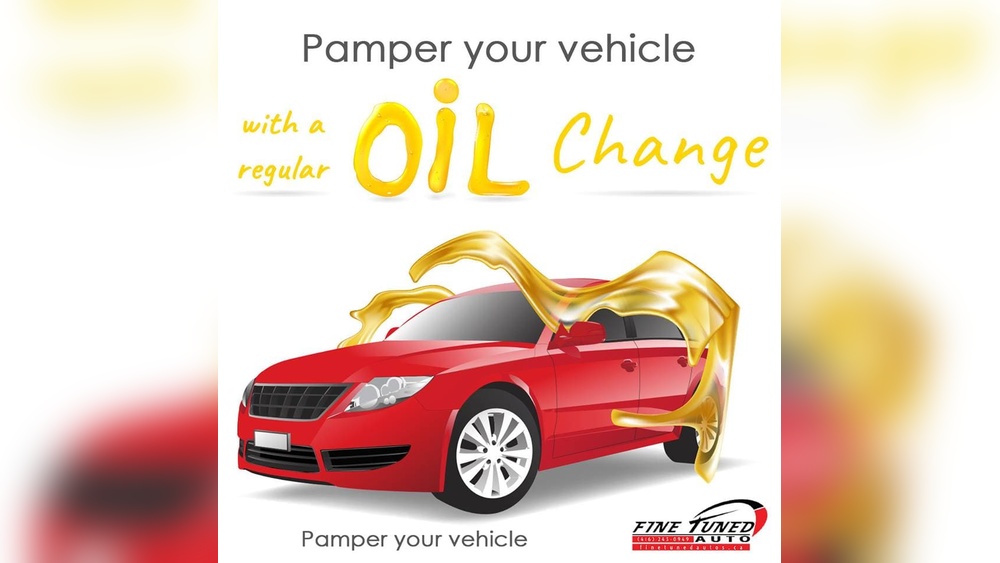
Your car works hard every day, and the oil inside it plays a crucial role in keeping everything running smoothly. But have you ever wondered why changing your car’s oil regularly is so important?
If you want to save money, avoid unexpected breakdowns, and extend your car’s life, understanding the benefits of fresh oil is key. Keep reading to discover how a simple oil change can protect your engine and improve your driving experience in ways you might not expect.

Credit: www.myrtlebeachchevroletcadillac.com
Importance Of Regular Oil Changes
Regular oil changes keep your car running smoothly and safely. Engine oil protects parts from friction and heat. Over time, oil breaks down and loses its power. Dirt and debris build up in old oil. This can cause engine damage and reduce performance.
Changing oil regularly helps your engine last longer. It improves fuel efficiency and reduces emissions. Clean oil keeps engine parts clean and cool. Skipping oil changes can lead to costly repairs. Your car needs fresh oil to perform its best.
Protects Engine Components
Oil forms a thin layer between engine parts. This stops metal pieces from rubbing directly. Clean oil reduces wear and tear inside the engine. Dirty oil causes parts to grind and break. Regular changes keep the engine healthy and strong.
Improves Fuel Efficiency
Fresh oil helps the engine run with less effort. Old oil thickens and slows down engine parts. This makes the engine work harder and use more fuel. Changing oil often saves money on gas. Your car drives better with clean oil.
Prevents Overheating
Oil carries heat away from engine parts. Dirty oil cannot cool the engine properly. The engine can get too hot and fail. Regular oil changes keep the engine temperature stable. This prevents overheating and engine damage.
Reduces Emissions
Clean oil helps the engine burn fuel fully. This lowers harmful gases released into the air. Old oil causes incomplete fuel burning. Changing oil regularly helps protect the environment. Your car runs cleaner with fresh oil.
Improved Engine Performance
Changing car oil plays a key role in keeping the engine running well. Clean oil helps the engine parts move smoothly. This reduces friction and wear inside the engine.
Better engine performance means your car runs stronger and uses fuel well. Fresh oil keeps the engine cool and clean. This helps avoid problems like overheating and engine damage.
Reduces Friction And Wear
Old oil becomes thick and dirty over time. Thick oil causes more friction between engine parts. This slows the engine and can cause damage. New oil lubricates parts better, reducing wear. This keeps the engine working smoothly and lasting longer.
Improves Fuel Efficiency
Clean oil helps the engine use fuel more efficiently. Less friction means the engine does not work as hard. This saves gas and lowers fuel costs. Regular oil changes keep your car running at its best.
Keeps Engine Cooler
Engine oil helps carry heat away from moving parts. Dirty oil loses this ability. Fresh oil cools the engine better. This prevents overheating and protects engine parts from damage.
Removes Engine Deposits
Oil cleans dirt and tiny metal pieces inside the engine. Over time, old oil collects these deposits. Changing oil removes them and stops buildup. This keeps engine parts clean and working well.
Enhanced Fuel Efficiency
Changing your car’s oil regularly helps improve fuel efficiency. Clean oil reduces friction between engine parts. This means the engine works easier and uses less fuel. Over time, dirty oil can slow the engine down and waste fuel.
Better fuel efficiency saves money on gas. It also lowers harmful emissions. Your car runs smoother and stays reliable longer.
How Clean Oil Reduces Engine Friction
Oil acts as a lubricant inside the engine. It prevents metal parts from rubbing hard against each other. Old oil thickens and loses this ability. Fresh oil keeps parts moving smoothly. This reduces energy waste and saves fuel.
Impact On Engine Performance
Clean oil helps the engine maintain its power. It allows the engine to run at the right speed. This efficiency means the car burns less fuel for the same work. The engine stays cool and avoids damage.
Fuel Savings Over Time
Regular oil changes can improve miles per gallon. Small fuel savings add up during many drives. This means fewer stops at the gas station. Over months, the savings can be significant for any driver.
Extended Engine Lifespan
Changing your car’s oil regularly helps the engine last longer. Clean oil keeps engine parts working well. Old oil can cause damage and wear. Fresh oil reduces friction and heat inside the engine. This keeps the engine strong and healthy over time.
An engine with good oil runs smoother. It faces fewer problems and breaks less often. This means less money spent on repairs. A longer engine life saves you money and stress. Taking care of oil means taking care of your car.
Reduces Wear And Tear
Fresh oil forms a thin layer between moving parts. This layer stops metal parts from rubbing together. Less rubbing means less damage and less wear. Old oil loses this ability and causes parts to wear fast. Changing oil keeps parts safe and working well.
Prevents Overheating
Oil helps cool the engine by carrying heat away. Dirty oil cannot cool the engine properly. This causes the engine to get too hot. Overheating can break engine parts. Clean oil keeps the engine at a safe temperature.
Keeps Engine Clean
Oil collects dirt and tiny metal pieces inside the engine. Old oil gets full of these harmful particles. This can clog parts and cause damage. New oil removes dirt and keeps the engine clean. A clean engine lasts longer and runs better.
Reduced Engine Wear And Tear
Changing car oil regularly helps reduce engine wear and tear. Clean oil keeps engine parts moving smoothly. It stops metal parts from rubbing hard against each other. This lowers damage and extends engine life.
Old oil gets dirty and thick. It loses its ability to protect engine parts. Dirty oil causes friction and heat. These harm engine components and cause early wear.
How Fresh Oil Protects Engine Parts
Fresh oil forms a thin layer between moving parts. This layer stops metal from scratching and wearing out. It also reduces heat caused by friction. Lower heat means less engine damage over time.
The Role Of Oil In Reducing Friction
Friction wears down engine parts quickly. Good oil reduces friction by making parts slide easily. This keeps the engine running smoothly and quietly. Less friction means fewer repairs and lower costs.
Preventing Engine Sludge And Deposits
Old oil can cause sludge buildup inside the engine. Sludge blocks oil flow and causes poor engine performance. Changing oil removes dirt and prevents sludge. Clean oil keeps the engine clean and efficient.
Extending Engine Life With Regular Oil Changes
Regular oil changes keep the engine healthy longer. They prevent early breakdowns and costly repairs. Fresh oil supports strong engine performance and better fuel economy. A well-maintained engine lasts for many years.

Credit: hackmd.io
Prevention Of Overheating
Changing car oil helps prevent the engine from overheating. Clean oil keeps the engine cool by reducing friction between moving parts. Friction creates heat, and old oil loses its ability to cool down the engine efficiently.
Overheating can cause serious damage to the engine. It may lead to parts warping or breaking down. Regular oil changes keep the oil fresh and able to protect the engine from heat build-up.
How Oil Cools The Engine
Oil flows through the engine, carrying heat away from hot parts. It acts as a barrier between metal surfaces, stopping them from rubbing directly. This reduces heat and prevents the engine from getting too hot.
Effects Of Old Oil On Engine Temperature
Old oil becomes thick and dirty. It cannot flow well through the engine. This causes poor heat transfer and higher engine temperatures. Dirty oil also makes the engine work harder, raising the risk of overheating.
Signs Of Overheating Due To Poor Oil
The temperature gauge may rise quickly. Steam or smoke can come from under the hood. The engine might lose power or make unusual noises. These signs show the oil is not protecting the engine properly.
Benefits Of Timely Oil Changes
Fresh oil keeps the engine cool and running smoothly. It reduces wear and tear on engine parts. Timely oil changes help avoid costly repairs caused by overheating. The engine stays healthier for a longer time.
Cost Savings Over Time
Changing car oil regularly saves money over time. Clean oil keeps the engine running smoothly. This helps avoid costly repairs and breakdowns.
Poor engine health leads to high repair bills. Fresh oil reduces engine wear and tear. This extends the engine’s life and reduces expenses.
Reduced Engine Repairs
Dirty oil causes engine parts to wear faster. Changing oil stops damage early. This lowers the chance of expensive repairs.
Improved Fuel Efficiency
Clean oil helps the engine work better. Better engine performance means less fuel use. Saving fuel cuts down on your monthly costs.
Longer Engine Lifespan
Regular oil changes protect engine parts. A well-maintained engine lasts more years. This delays the need for a new car.
Lower Maintenance Costs
Good oil prevents sludge buildup inside the engine. This keeps engine parts cleaner. Clean engines need fewer maintenance services.
Environmental Benefits
Changing car oil regularly helps protect the environment in many ways. Clean oil keeps the engine running smoothly. This reduces harmful gases released into the air. It also lowers the chance of oil spills that damage soil and water.
Proper oil changes reduce pollution and save natural resources. Caring for your car means caring for the planet.
Reduced Harmful Emissions
Old oil makes the engine work harder. This causes more smoke and harmful gases to escape. Fresh oil helps the engine burn fuel better. This lowers the amount of bad gases released into the air. Cleaner air means better health for people and animals.
Prevention Of Oil Leaks And Spills
Dirty oil can clog engine parts. This increases the risk of leaks. Oil leaks can pollute the ground and nearby water. Changing oil regularly keeps the engine clean and tight. This stops oil from leaking and harming nature.
Conservation Of Natural Resources
Used oil can be recycled if handled properly. Regular oil changes produce less waste oil. This helps recycling centers manage oil safely. Recycling oil saves natural resources and energy. It reduces the need to produce new oil from the earth.
Signs You Need An Oil Change
Knowing when to change your car’s oil helps keep the engine healthy. Old oil loses its power to protect the engine parts. This causes wear and damage over time. Watch for key signs to avoid costly repairs and keep your car running smoothly.
Oil Color And Consistency
Check the oil on the dipstick regularly. Fresh oil is amber and clear. Dark or black oil shows dirt and use. Thick, sticky, or gritty oil means it is old. Changing it soon prevents engine damage.
Engine Noise
Listen to your engine closely. Loud ticking or knocking sounds can mean oil is low or dirty. Clean oil helps the engine parts move quietly. Strange noises need an oil check fast.
Oil Change Indicator Light
Most cars have a dashboard light for oil changes. This light comes on when oil needs replacing. It is a clear sign to visit a service center. Ignoring it risks serious engine trouble.

Credit: www.liacars.com
Choosing The Right Oil
Choosing the right oil is key to keeping your car engine healthy. The oil protects engine parts from wear and tear. It also helps the engine run smoothly. Using the correct oil type saves money on repairs. It improves fuel efficiency and reduces pollution. Understanding different oil options helps you make the best choice.
Conventional Vs Synthetic
Conventional oil is made from crude oil and is less expensive. It works well for older cars and simple engines. Synthetic oil is made in labs and lasts longer. It protects better against heat and engine wear. Synthetic oil suits newer engines and high-performance cars. Choosing between them depends on your car’s needs and budget.
Viscosity Ratings
Viscosity means how thick or thin the oil is. Oil with low viscosity flows easily in cold weather. Thick oil works well in hot temperatures. Oil labels show numbers like 5W-30. The first number is cold weather flow. The second number is oil thickness at engine heat. Using the right viscosity keeps the engine running well year-round.
Manufacturer Recommendations
Car makers test engines with specific oils. They give guidelines for oil type and viscosity. Following these recommendations protects your warranty. It helps your engine last longer and work better. Check your owner’s manual for the exact oil needed. Using the right oil keeps your car safe and efficient.
Frequently Asked Questions
Why Is Regular Car Oil Change Important?
Regular oil changes keep your engine clean and lubricated. They prevent wear and tear, improve performance, and extend engine life. Fresh oil also helps reduce fuel consumption and emissions, keeping your car running efficiently and reliably.
How Often Should I Change My Car Oil?
Most manufacturers recommend changing oil every 5,000 to 7,500 miles. However, it depends on your car model and driving conditions. Check your owner’s manual for the exact interval. Regular changes prevent engine damage and maintain optimal performance.
Can Old Oil Damage My Car Engine?
Yes, old oil loses its lubricating properties and becomes dirty. This causes friction, overheating, and increased engine wear. Using degraded oil can lead to costly repairs and reduce engine lifespan. Timely oil changes protect your engine from damage.
What Are The Signs That Oil Needs Changing?
Common signs include dark, dirty oil, engine noise, and reduced fuel efficiency. You might also notice oil warning lights or sluggish engine performance. Regular checks and timely changes ensure smooth engine operation and avoid breakdowns.
Conclusion
Changing car oil keeps your engine running smoothly and lasts longer. Clean oil stops dirt from damaging parts inside your car. It helps your car use fuel better, saving money. Regular oil changes prevent costly repairs down the road. Your car will drive quietly and start easily every time.
Taking care of your car with oil changes is smart and simple. Small effort, big benefits. Keep your engine healthy and enjoy safer drives ahead.
Recent Posts
Car Fridge Dual Zone: Ultimate Portable Cooler for Travel and Camping
Have you ever opened a car cooler only to find your drinks warm and your snacks spoiled? It’s frustrating when a simple road trip or camping day turns uncomfortable because your food isn’t...
Car Fridge And Warmer: Ultimate Portable Cooler for Travel and Camping
Have you ever been stuck on a long drive with warm drinks and soggy snacks? It’s frustrating when your food and beverages don’t stay fresh.This small annoyance can spoil your whole trip or...