
Is your car leaving oily spots on the driveway? An oil leak might seem small, but it can cause big problems for your vehicle and your wallet.
You don’t want to ignore it because it could lead to engine damage or costly repairs. The good news? You can stop that leak before it gets worse. You’ll learn simple, effective steps to find and fix your car’s oil leak quickly.
Keep reading to protect your car and save money!
Common Causes Of Oil Leaks
Oil leaks in cars happen for several common reasons. These leaks cause engine damage and make a mess. Knowing what causes oil leaks helps you fix them fast. It also keeps your car safe and running well.
Worn Out Gaskets And Seals
Gaskets and seals stop oil from escaping the engine. Over time, heat and pressure wear them down. Old gaskets crack and seals dry out. This creates gaps where oil can leak. Replacing worn gaskets and seals stops leaks quickly.
Damaged Oil Pan
The oil pan holds the engine oil at the bottom. It can get damaged by road debris or rough driving. A dent or crack in the oil pan causes oil to drip. Fixing or replacing a damaged oil pan prevents leaks.
Loose Or Faulty Oil Filter
The oil filter cleans the engine oil. If it is loose or faulty, oil can leak. Poor installation or a bad filter causes leaks around the filter area. Tightening or changing the oil filter solves this problem.
Cracked Valve Cover
The valve cover protects engine parts and holds oil inside. Cracks in the valve cover let oil escape. This leak is often seen near the top of the engine. Replacing a cracked valve cover stops oil from leaking out.
Signs Of An Oil Leak
Oil leaks in cars can cause serious damage if not noticed early. Identifying signs of an oil leak helps protect your engine and avoid costly repairs. Watch for clear, visible clues around and under your vehicle. Quick action saves time and money.
Oil Puddles Under The Car
One of the simplest signs of an oil leak is a puddle under your car. Oil spots are usually dark brown or black. These puddles often appear after the car has been parked for a while. Check your parking spot for fresh stains regularly.
Burning Oil Smell
A burning oil smell means oil might be leaking onto hot engine parts. This smell is strong and unpleasant. It often occurs while driving or just after turning off the engine. Do not ignore this warning. It can cause engine damage or fire risk.
Low Oil Levels
Low oil levels point to a possible leak. Check your oil with the dipstick under the hood. Oil levels should be between the minimum and maximum marks. Frequent drops in oil levels mean oil is escaping somewhere.
Smoke From Engine Area
Smoke coming from the engine area can signal an oil leak. Oil dripping on hot parts creates smoke or vapor. The smoke may be blue or gray in color. This sign needs fast attention to avoid engine failure.
Tools Needed To Fix Oil Leaks
Fixing an oil leak requires the right tools. Using proper tools makes the job easier and safer. Some tools help find the leak. Others help fix it properly. Here is a list of essential tools needed to stop car oil leaks.
Basic Hand Tools
Basic hand tools include wrenches, screwdrivers, and pliers. A socket set is helpful for removing bolts. A flashlight helps see hard-to-reach places. A drain pan catches oil during the repair. These tools are essential for most oil leak fixes.
Sealants And Gasket Makers
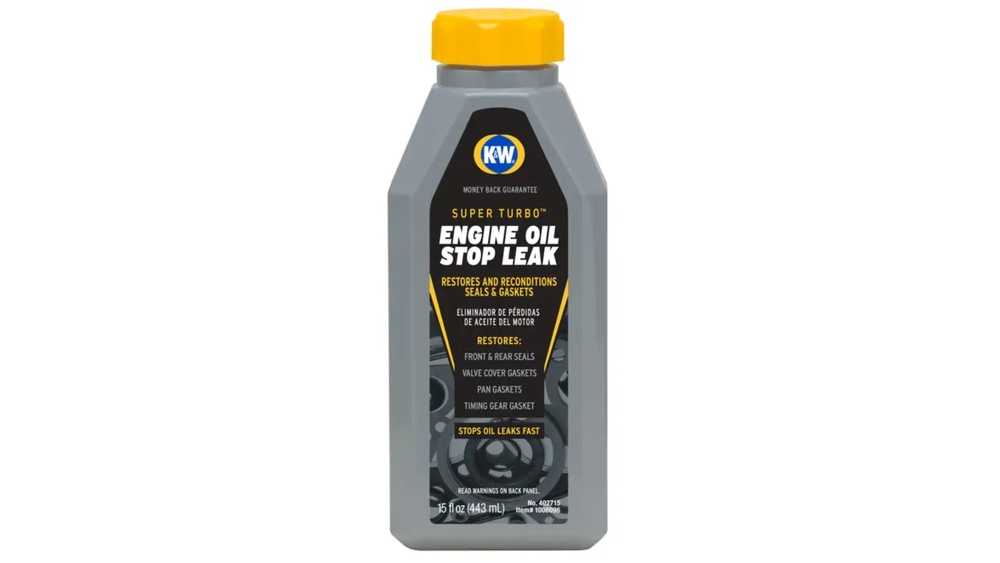
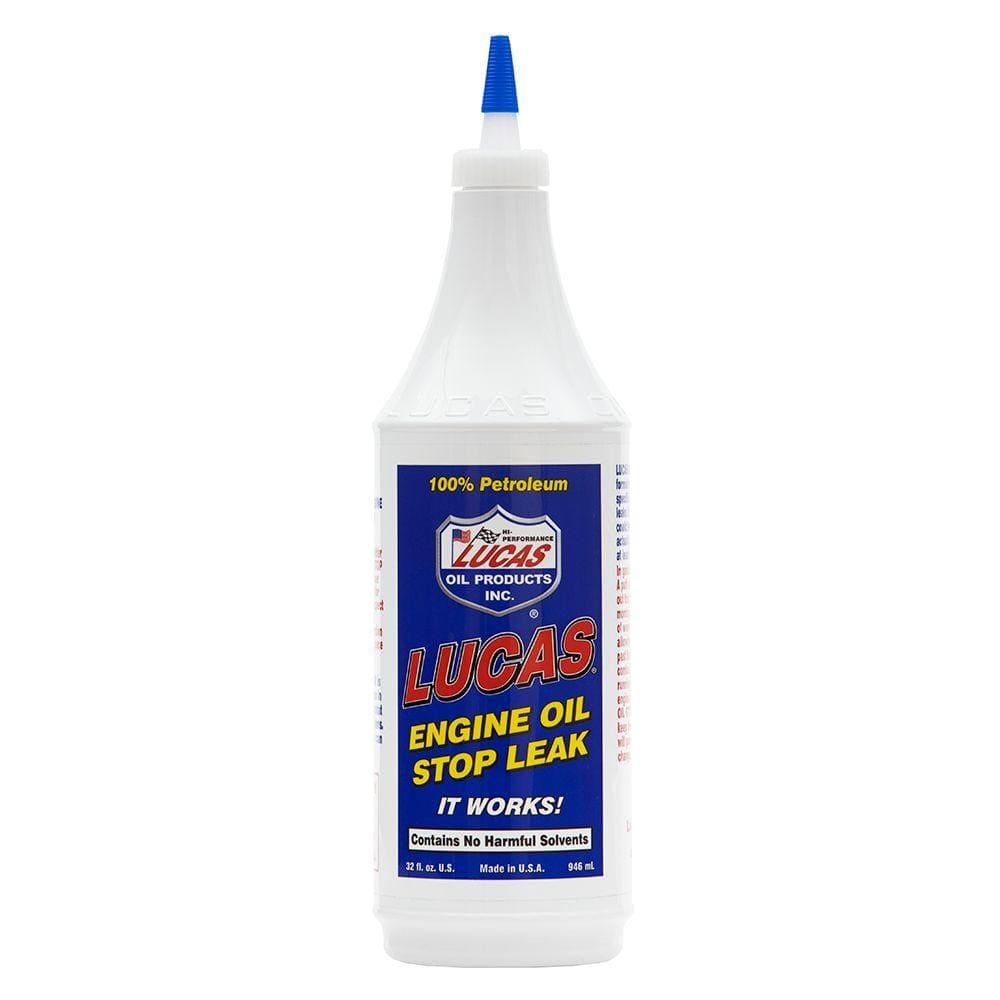
Sealants and gasket makers stop oil from leaking. Use silicone sealant for small cracks or gaps. Gasket makers replace old or damaged gaskets. These products create a tight seal to prevent leaks. Choose the right type for your car model.
Replacement Parts
Oil leaks often need new parts. Common parts include gaskets, seals, and oil pan bolts. Old or worn parts cause leaks. Buying the correct replacement parts ensures a proper fix. Check your car manual for part numbers.
Safety Equipment
Safety equipment protects you during repairs. Wear gloves to keep hands clean and safe. Safety glasses prevent oil or debris from entering your eyes. Use a jack stand to secure the car if you lift it. Safety is important for any car repair.
Credit: www.homedepot.com
Step-by-step Leak Repair
Fixing a car oil leak requires careful steps to stop the problem. Follow each step to repair the leak effectively. Doing the job right prevents bigger car troubles and saves money.
Locating The Leak
First, find where the oil is leaking. Check under the car for fresh oil spots. Look around the engine and oil pan. Use a flashlight to see dark or hidden areas. Mark the spot to fix later.
Cleaning The Affected Area
Clean the leak area before any repair. Use a degreaser or soap with water. Remove dirt, old oil, and grease well. Dry the area with a clean cloth. A clean surface helps parts stick better.
Replacing Faulty Parts
Check if any parts are broken or worn out. Oil gaskets and seals often cause leaks. Replace damaged parts with new ones. Use the right tools for removing and fitting parts. Tighten bolts to the correct level.
Applying Sealants
Apply sealant to small cracks or joints if needed. Use oil-resistant sealant designed for car engines. Spread it evenly over the affected area. Let the sealant dry as per instructions. Sealants help stop leaks until parts are replaced.
Testing For Leaks
Start the car and let it run for a few minutes. Check the repaired area for new oil spots. Look under the car again for drips. If no oil appears, the leak is fixed. Repeat cleaning and checking if needed.
Preventive Maintenance Tips
Preventive maintenance helps stop car oil leaks before they start. Small steps protect your engine and save money. Regular care keeps your car running smoothly and safely. Follow these easy tips to reduce the risk of leaks.
Regular Oil Changes
Change your oil on time. Old oil breaks down and causes leaks. Fresh oil keeps engine parts sealed and clean. Use the oil type your car needs. This simple step extends your engine’s life.
Routine Inspections
Check your car often for signs of leaks. Look under the car for oil spots. Inspect oil seals and gaskets for cracks or damage. Early detection helps fix leaks before they grow. Regular checks keep small problems from becoming big.
Using Quality Oil And Parts
Choose high-quality oil and car parts. Cheap oil can break down faster. Poor parts may not fit well and cause leaks. Use parts made for your car model. Quality materials ensure better sealing and longer protection.
Avoiding Over-tightening
Do not over-tighten oil drain plugs or filters. Too much force can damage threads and seals. Damaged seals lead to leaks. Tighten parts just enough to hold firmly. Proper tightening helps keep oil inside your engine.
Credit: www.youtube.com
When To See A Professional
Knowing when to see a professional is key to stopping car oil leaks. Some leaks need expert care to prevent damage. Acting too late can lead to costly repairs. Trusting a skilled mechanic saves time and money. Here are clear signs you should visit a professional.
Complex Leak Sources
Oil leaks can come from many parts in the engine. Some areas are hard to reach or see. A professional uses tools to find exact leak spots. Complex leaks need precise fixes to avoid future problems. DIY may miss hidden leak sources.
Persistent Leaks After Repair
Leaking oil even after a repair means the problem is not fixed. This can happen if the wrong part was replaced. A mechanic can check for missed leaks or damage. Persistent leaks can harm the engine and lower car safety. Professionals know how to stop leaks that come back.
Lack Of Repair Tools Or Experience
Fixing oil leaks requires special tools and skills. Without them, repairs might fail or cause more damage. Professionals have the right equipment and know how to use it. Trying to fix leaks without experience risks injury and poor results. Leave complex repairs to the experts.
Credit: www.lucasoil.com
Frequently Asked Questions
What Are Common Causes Of Car Oil Leaks?
Common causes include worn gaskets, loose oil filters, damaged oil pans, and cracked seals. Regular checks help identify these early.
How Can I Temporarily Stop A Car Oil Leak?
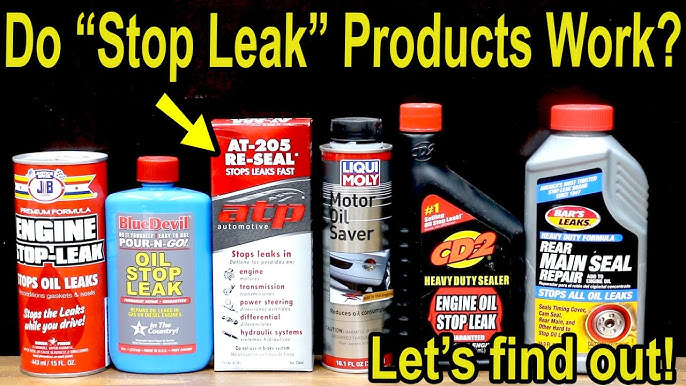
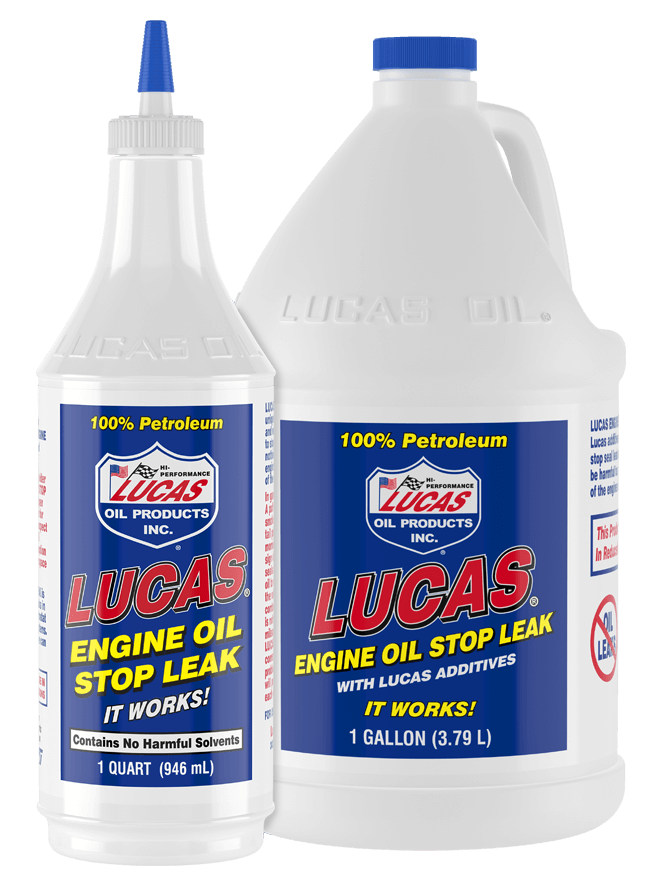
Use oil leak sealants or additives as a temporary fix. These products swell seals and reduce leaks until proper repair.
When Should I See A Mechanic For An Oil Leak?
Visit a mechanic if leaks are heavy, persistent, or cause oil level drops. Timely repairs prevent engine damage and costly repairs.
Can Low-quality Oil Cause Leaks In Cars?
Yes, low-quality oil can degrade seals and gaskets faster. Use manufacturer-recommended oil to maintain proper engine sealing and performance.
Conclusion
Stopping a car oil leak protects your engine and saves money. Check your car often for any signs of oil leaks. Fix leaks quickly to avoid bigger problems later. Clean up any spilled oil to keep the ground safe. Use the right oil and change it on time.
Small efforts keep your car running smooth and strong. Take care of your car, and it will take care of you.
Recent Posts
Durable Jeep Wrangler American Flag License Plate Frame for Patriotic Drivers
Have you ever felt frustrated by a plain, worn-out license plate frame on your Jeep Wrangler? It’s a small detail, but it can really affect your vehicle’s look.Every time you see that dull...
Slim Design Audi Black License Plate Frame for Sleek Car Styling
Have you ever struggled with a bulky, noisy license plate frame that just doesn’t fit right? It can be so frustrating when your car’s style feels off or the frame rattles every time you...