
Wondering whether you should check your car’s oil with the engine on or off? It’s a question many drivers ask, and the answer can save you from costly mistakes.
Knowing the right way to check your oil helps you keep your engine healthy and avoid unexpected breakdowns. You’ll discover the simple steps to get an accurate oil reading every time. Keep reading to protect your car and drive with confidence.

Credit: mechanics.stackexchange.com
When To Check Oil
Knowing the right time to check your car’s oil is key. Checking oil at the wrong time gives wrong results. This can lead to engine problems or damage.
Oil settles in the engine when it is off. This helps get a true reading of the oil level. The temperature of the engine also matters. Some checks are best done with the engine cold. Others need the engine warm. Understanding these details keeps your car healthy.
Checking Oil With Engine Off
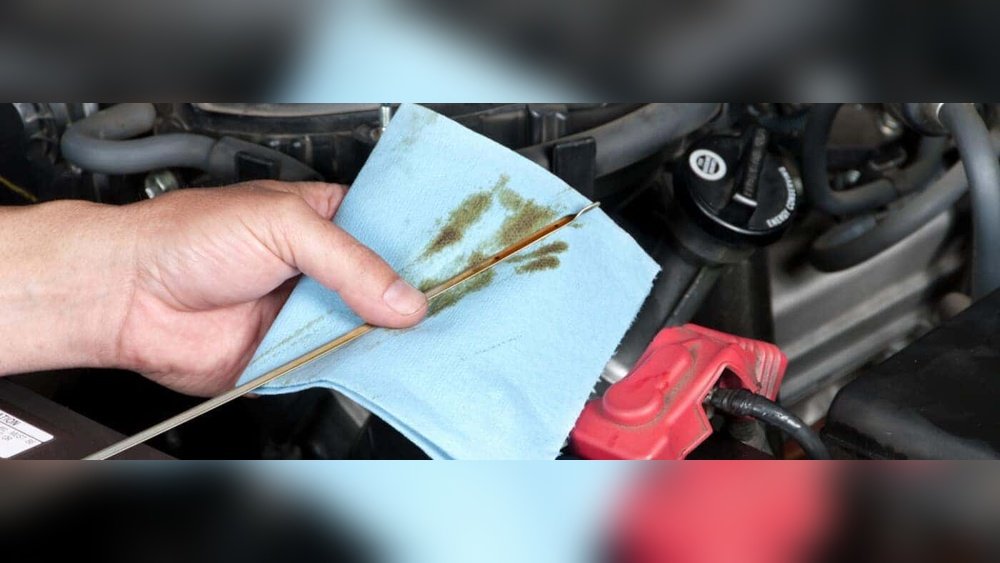
Check oil with the engine off for the most accurate level. Turn off the engine and wait about 10 minutes. This time lets oil settle back into the pan. Use a clean cloth to wipe the dipstick. Then fully insert and pull it out to check oil level.
This method helps avoid false readings caused by oil splashing. It is safest and most common for everyday checks. Cold engine oil also shows if you need an oil change. Low or dirty oil means it is time to act.
Checking Oil With Engine On
Some vehicles recommend checking oil with the engine running. This is less common and usually applies to newer cars. The engine should be warm but idle, not moving.
This method measures oil pressure and flow, not just level. It helps spot leaks or pressure issues. Use the dipstick carefully, as parts may be hot. Always follow the car manual for this type of check.

Credit: www.mobil.co.uk
Pros And Cons
Checking your car’s oil level is important for engine health. Knowing whether to check oil with the car on or off has pros and cons. Understanding these helps you choose the best method for accurate results and safety.
Advantages Of Checking Oil Off
Checking oil with the engine off is the most common method. It is safer because the engine is cool. You avoid burns from hot engine parts. Oil settles in the pan, giving a clear level reading. This method helps prevent errors from oil moving around. It is easy and can be done anytime after the car stops. No risk of engine damage during the check. This method fits most car manuals’ advice.
Advantages Of Checking Oil On
Some people check oil with the engine running. It shows how oil flows during operation. This can help spot oil pressure problems. Hot oil moves freely and gives a dynamic reading. It may reveal issues hidden when the car is off. Useful for advanced car maintenance or diagnostics. It saves time by checking oil immediately after driving. Must be done carefully to avoid burns and injury.
Manufacturer Recommendations
Car makers give clear advice on checking engine oil. Following their advice keeps the car safe. Each car model may need different steps. Reading the manual helps avoid mistakes. This section explains why to trust these rules.
Why Follow Manufacturer Guidelines
Car makers test their engines well. They know the best way to check oil. Following their steps prevents wrong readings. Wrong oil levels can harm the engine. Their advice helps keep the engine healthy. It also avoids costly repairs later.
Common Variations Between Cars
Some cars need the engine off to check oil. Others ask for the engine to run briefly. The oil dipstick might need wiping first. Some cars have electronic oil level sensors. This changes how you check oil. Manuals explain these small but important differences.
Step-by-step Oil Check
Checking your car’s oil is a simple task that helps keep the engine healthy. Doing it right ensures you get an accurate oil level. Follow these clear steps to check your oil correctly.
Preparing The Car
Park your car on a flat surface. Turn off the engine and wait five to ten minutes. This lets the oil settle in the oil pan. Open the hood and secure it to stay open.
Locating The Dipstick
Find the dipstick; it usually has a bright handle. It is near the engine and easy to spot. Pull the dipstick out slowly and wipe it clean with a cloth. This clears old oil for a fresh reading.
Reading The Oil Level
Insert the dipstick back fully, then pull it out again. Look at the oil marks on the dipstick. The oil should be between the low and full marks. If below low, add oil carefully to the right level.
Signs Of Oil Issues
Knowing the signs of oil issues helps protect your car’s engine. Oil keeps the engine parts moving smoothly. Problems with oil can cause serious damage fast. Spotting trouble early saves money and time.
Watch for changes in oil level and quality. These signs tell you when it is time to check or change the oil. Understanding them keeps your car running well and extends engine life.
Low Oil Level Indicators
Check the oil dipstick regularly. A low reading means less oil in the engine. The engine may make strange noises or run hotter than usual. Your dashboard might show an oil warning light. Smoke from the exhaust can also signal low oil. These signs require immediate attention to avoid engine damage.
Oil Quality Concerns
Good oil looks clean and smooth. Dark, dirty, or gritty oil means it is time for a change. Oil that smells burnt shows overheating or engine problems. Thick or sticky oil cannot lubricate well. Poor oil quality can cause engine wear and reduce performance.
Credit: www.paulsautorepair.com
Tips For Accurate Oil Reading
Checking your car’s oil level is simple but needs care for the right reading. Oil expands and moves inside the engine. This changes the level you see on the dipstick. Follow these tips for an accurate oil check.
Best Time Of Day
Check oil early in the morning or after the car sits for a while. The oil settles at the bottom of the engine. This gives a clear and steady reading. Avoid checking right after driving. Hot oil sticks to engine parts and gives a false low level.
Engine Temperature Effects
Oil level changes with engine heat. Hot oil is thinner and spreads out more. Cold oil is thicker and stays lower in the pan. For best results, check oil when the engine is cool. This shows the true oil amount inside the engine.
Frequently Asked Questions
Should I Check Oil With Car Engine On?
No, always check oil with the engine off. This ensures an accurate reading and prevents injury from moving parts.
Why Check Oil Level When Car Is Off?
Checking oil with the car off allows oil to settle. This provides a precise measurement of the true oil level.
How Long Should Car Rest Before Checking Oil?
Wait at least 5 to 10 minutes after turning off the engine. This allows oil to drain back into the pan.
Can Checking Oil With Engine On Damage The Dipstick?
Yes, checking oil with the engine running risks burning yourself or bending the dipstick. Always check with the engine off.
Conclusion
Checking oil with the car off is usually best. It gives a clear, steady reading of oil level. The engine should be cool or off for a few minutes first. This helps oil settle in the pan. Checking oil while the engine runs can give a wrong level.
Regular oil checks keep your engine safe and working well. Easy to do and important for your car’s health. Remember, small steps like this save big repair costs later. Stay safe and keep your car in good shape.
Recent Posts
Car Fridge Power Cable: Essential Guide to Reliable Cooling on the Go
Have you ever been on a long road trip, only to find your car fridge powerless because the cable didn’t fit or broke? It’s frustrating when your cold drinks or snacks spoil just because of a...
Best Tesla Model 3 License Plate Frame No Drill Install for Easy Setup
Have you ever tried to install a front license plate on your Tesla Model 3, only to realize you need to drill holes? It’s frustrating and nerve-wracking.You worry about damaging your car’s...