
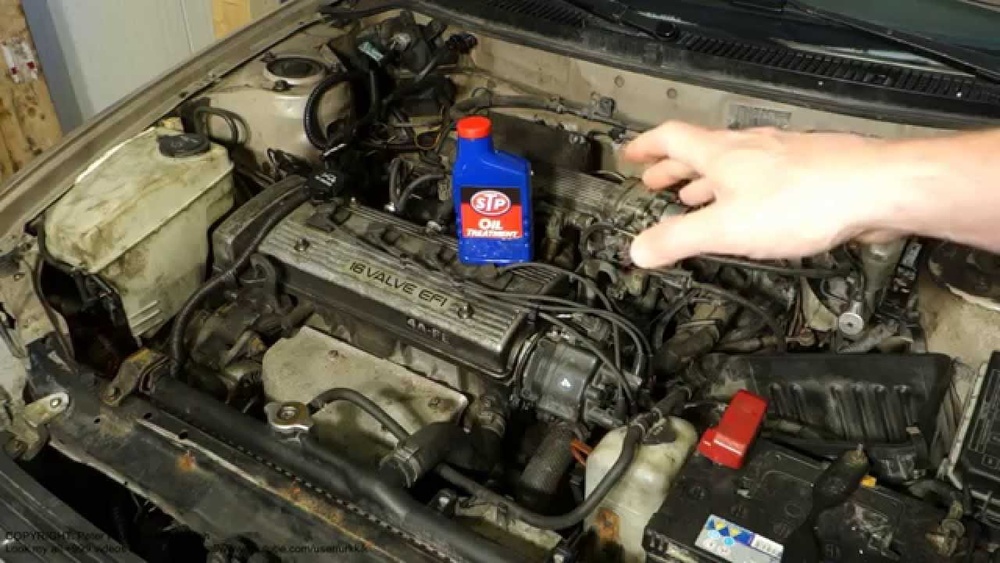
You want your car to run smoothly and last longer, right? One simple trick many drivers overlook is using car oil treatment.
This easy step can protect your engine, improve performance, and even save you money on repairs. If you’re wondering how to use car oil treatment the right way, you’re in the right place. Keep reading to discover the best tips that will help your car stay healthy and powerful for miles to come.
Benefits Of Car Oil Treatment
Car oil treatment offers many benefits for your vehicle’s engine. It helps keep the engine running smoothly and extends its life. Using oil treatment regularly can save money on repairs and improve performance.
Here are some key benefits of using car oil treatment to keep your engine healthy and efficient.
Reduces Engine Wear And Tear
Oil treatment creates a protective layer on engine parts. This layer reduces friction between moving parts. Less friction means less wear and tear. Your engine parts last longer and work better.
Improves Engine Performance
Clean and well-lubricated engines run more smoothly. Oil treatment helps remove sludge and deposits inside the engine. This keeps the engine clean and improves fuel efficiency. Your car runs quieter and uses less fuel.
Protects Against Rust And Corrosion
Moisture and heat can cause rust inside the engine. Oil treatment has additives that fight rust and corrosion. This protection helps keep engine parts strong and working well.
Helps Prevent Oil Leaks
Some oil treatments condition engine seals and gaskets. This prevents them from drying out and cracking. Healthy seals reduce the chance of oil leaks and engine damage.
Extends Engine Life
By reducing wear, cleaning deposits, and protecting parts, oil treatment extends engine life. Regular use keeps the engine in good shape for many years. This saves money on costly repairs and replacements.
Types Of Oil Treatments
Car oil treatments improve engine performance and extend oil life. These treatments come in various types. Each type targets specific engine needs. Understanding these types helps choose the right product for your vehicle.
Viscosity Improvers
Viscosity improvers make oil thicker at high temperatures. They keep oil from thinning too much. This protects engine parts during hot conditions. Engines run smoother with proper viscosity.
Seal Conditioners
Seal conditioners help soften engine seals. They stop leaks caused by dry or cracked seals. This keeps oil inside the engine. Seal conditioners extend the life of seals.
Friction Modifiers
Friction modifiers reduce metal-to-metal contact inside the engine. They lower wear and tear on parts. This improves fuel efficiency. The engine runs quietly and lasts longer.
Detergents And Dispersants
Detergents clean engine deposits and sludge. Dispersants keep dirt particles suspended in oil. This prevents buildup inside the engine. Clean engines perform better and last longer.
Anti-wear Additives
Anti-wear additives form a protective layer on metal parts. They reduce wear during engine start and running. These additives help protect critical engine components. Engine parts stay strong over time.
When To Apply Oil Treatment
Knowing when to apply car oil treatment helps keep your engine healthy. Proper timing improves engine performance and extends oil life. Using oil treatment at the right moment protects engine parts from wear and tear. Follow clear signs and intervals to decide the best time for application.
Checking Oil Condition
Look at your engine oil color and texture. Dark and thick oil may need treatment soon. If oil feels gritty, it means dirt is inside. Applying oil treatment can clean and soften the oil. This helps your engine run smoothly.
After Oil Change
Apply oil treatment right after changing oil. New oil mixes well with treatment to protect engine parts. This step gives extra lubrication and reduces friction. It also helps the engine stay cooler.
High Mileage Vehicles
Older cars with many miles benefit from regular oil treatments. Worn engines need extra care to reduce leaks and noise. Use oil treatment every 3,000 to 5,000 miles for these cars. This keeps the engine sealed and running better.
Before Long Trips
Use oil treatment before driving long distances. Long trips put extra stress on your engine. Treatment adds protection and reduces engine heat. It helps avoid engine problems during travel.
When Engine Runs Hot
If your engine overheats often, try oil treatment. Treatment improves oil’s ability to cool the engine. It also reduces friction that causes heat. Regular use can lower engine temperature.
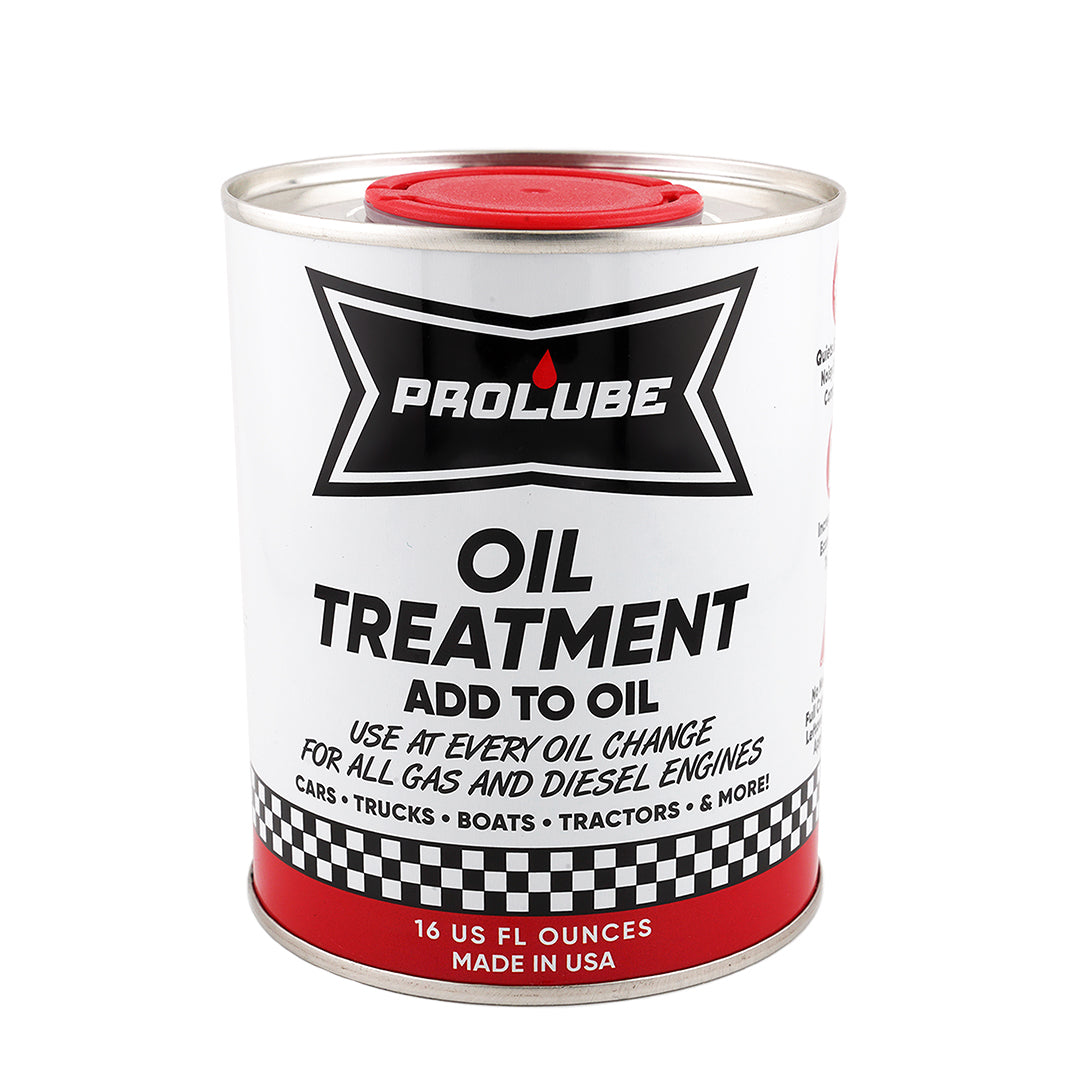
Credit: prolubeoil.com
Preparing Your Car For Treatment
Preparing your car for oil treatment is key to getting the best results. Proper preparation helps the oil treatment work more effectively. It prevents dirt and old oil from stopping the treatment from doing its job.
Follow these simple steps to prepare your car. They make the process smooth and safe. Your engine will benefit the most when you prepare it well.
Check The Engine Temperature
Make sure the engine is cool before starting. A hot engine can cause burns or other injuries. Wait at least 30 minutes after driving. This also helps the oil treatment mix well with the old oil.
Clean The Engine Area
Remove dirt and dust from around the oil cap. This keeps dirt from falling inside the engine. Use a clean cloth to wipe the area. Clean surroundings help keep the engine parts safe.
Inspect The Oil Level
Check the oil level using the dipstick. Make sure the oil is not too low or too high. Proper oil level helps the treatment mix evenly. Add oil if the level is below the minimum mark.
Select The Right Oil Treatment
Choose an oil treatment that fits your car’s engine type. Read the product label carefully. Using the right treatment improves engine performance and longevity.
Step-by-step Application Process
Applying car oil treatment correctly can improve your engine’s health. Follow these clear steps to do it right. Each step is simple and helps your car run smoother.
Prepare Your Car And Tools
Park your car on a flat surface. Turn off the engine and let it cool for 10-15 minutes. Gather the oil treatment, a funnel, and a clean cloth.
Check The Engine Oil Level
Open the hood and locate the oil dipstick. Pull it out, wipe it clean, and reinsert it fully. Pull it out again to see the oil level.
Open The Oil Fill Cap
Find the oil fill cap on top of the engine. Twist it off carefully. Keep the cap in a safe place to avoid dirt.
Pour The Oil Treatment Slowly
Place the funnel in the oil fill hole. Pour the oil treatment slowly to avoid spills. Use the amount recommended on the product label.
Close The Oil Fill Cap Securely
Remove the funnel carefully. Screw the oil fill cap back on tightly. Ensure no gaps or leaks around the cap.
Run The Engine For A Few Minutes
Start your car and let the engine run for 3-5 minutes. This helps the treatment mix with the engine oil. Turn off the engine afterward.
Check For Leaks And Clean Up
Look under the car for any oil leaks. Wipe any spills around the fill cap with a clean cloth. Dispose of used materials properly.
Safety Tips During Application
Using car oil treatment can improve your engine’s performance. Safety is very important during its application. This keeps you and your vehicle safe. Follow simple safety tips to avoid accidents and damage.
Wear Protective Gloves And Clothing
Always wear gloves to protect your hands. Oil treatment can irritate your skin. Long sleeves protect your arms from spills. Use old clothes that you don’t mind getting dirty.
Work In A Well-ventilated Area
Apply oil treatment in a place with fresh air. Fumes from the product can cause dizziness. Avoid closed spaces like garages without airflow. Open doors or windows to keep air moving.
Keep Away From Open Flames
Oil treatment is flammable. Do not smoke or use open flames nearby. Turn off the engine and let it cool before applying. This lowers the risk of fire or burns.
Use The Right Tools
Use a clean funnel or applicator to pour the treatment. This prevents spills and waste. Avoid using dirty or damaged tools. Clean tools help keep the process smooth and safe.
Store Oil Treatment Properly
Keep the bottle tightly closed after use. Store it in a cool, dry place. Keep it out of reach of children and pets. Proper storage prevents accidents and keeps the product effective.
Common Mistakes To Avoid
Using car oil treatment correctly helps your engine last longer and run smoother. Many drivers make simple mistakes that reduce the benefits of this product. Avoiding these errors saves money and keeps your car healthy.
Learn common mistakes to avoid when using car oil treatment. Follow these tips for best results.
Using Too Much Oil Treatment
Adding more oil treatment than the instructions say does not improve performance. It can cause build-up inside the engine. This build-up may clog oil passages and reduce engine life.
Applying Treatment To Dirty Oil
Oil treatment works best with clean oil. Adding it to old or dirty oil lowers its effect. Change your oil before adding treatment to keep your engine clean.
Ignoring The Recommended Frequency
Oil treatment is not a one-time fix. Using it too often wastes product and money. Using it too rarely limits its protection. Follow the product label for how often to apply.
Adding Treatment To The Wrong Oil Type
Some oil treatments work only with certain oil types. Using the wrong type can reduce effectiveness. Check your car’s manual and product instructions before use.
Not Shaking The Bottle Before Use
Oil treatments often separate inside the bottle. Shake well before pouring. This mixes the ingredients for better protection and performance.
Signs Your Car Needs Treatment
Car oil treatment helps protect your engine and improve performance. Knowing when your car needs this treatment saves money and avoids damage. Some signs show your engine needs extra care with oil treatment.
Engine Noise And Knocking
Loud noises or knocking sounds come from the engine. This means metal parts rub without enough lubrication. Oil treatment can reduce friction and quiet the engine.
Excessive Smoke From Exhaust
Thick or blue smoke from the exhaust pipe is a warning. It shows oil leaks or burning inside the engine. Treatment helps seal leaks and lowers smoke output.
Frequent Engine Overheating
The engine heats up more than usual during drives. Poor oil quality causes more heat and wear. Oil treatment improves lubrication and cools the engine.
Oil Level Drops Quickly
You check oil often because it runs low fast. This means oil burns or leaks inside the engine. Treatment helps keep oil in place longer.
Reduced Fuel Efficiency
Your car uses more gas than before. Engine friction rises without good oil condition. Oil treatment smooths engine parts and saves fuel.
Maintaining Engine Health Post-treatment
Maintaining engine health after using car oil treatment is very important. The treatment helps protect engine parts and reduce wear. It also improves oil performance and keeps the engine running smoothly.
After applying the treatment, some care steps keep the engine in good shape. These steps help the engine stay clean and work efficiently. Following simple tips can extend the life of the engine.
Monitor Oil Levels Regularly
Check the oil level often after treatment. Oil levels can change faster due to the treatment’s effects. Use the dipstick to see if the oil is at the right mark. Add oil if the level drops too low. Proper oil levels keep engine parts well-lubricated.
Use Quality Engine Oil
Choose good engine oil that matches your car’s needs. The oil works better with the treatment. Avoid cheap or old oil that may harm the engine. Follow the car manual for the right oil type. Clean oil keeps the engine safe and clean.
Keep An Eye On Engine Temperature
Watch the engine temperature gauge regularly. Oil treatment helps reduce engine heat, but overheating can still happen. Stop the car if it gets too hot. Let the engine cool down before driving again. Proper temperature protects engine parts.
Schedule Regular Oil Changes
Change the oil at the right time after treatment. Fresh oil removes dirt and old particles. The treatment lasts longer with clean oil. Follow the car’s service schedule for oil changes. This keeps the engine clean and running well.
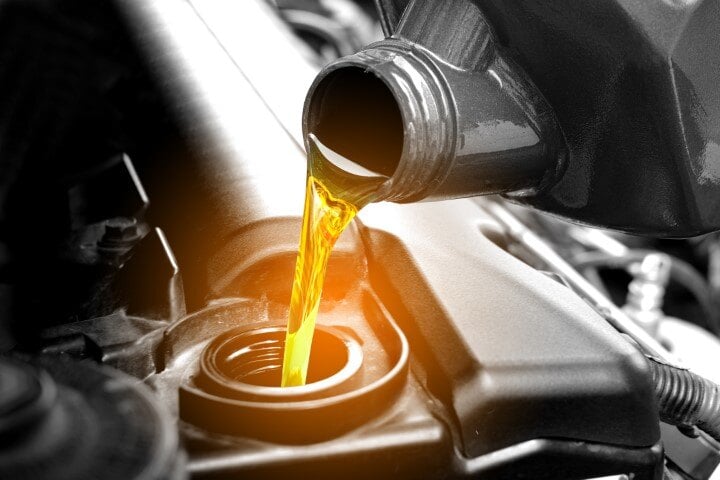
Credit: www.bellperformance.com
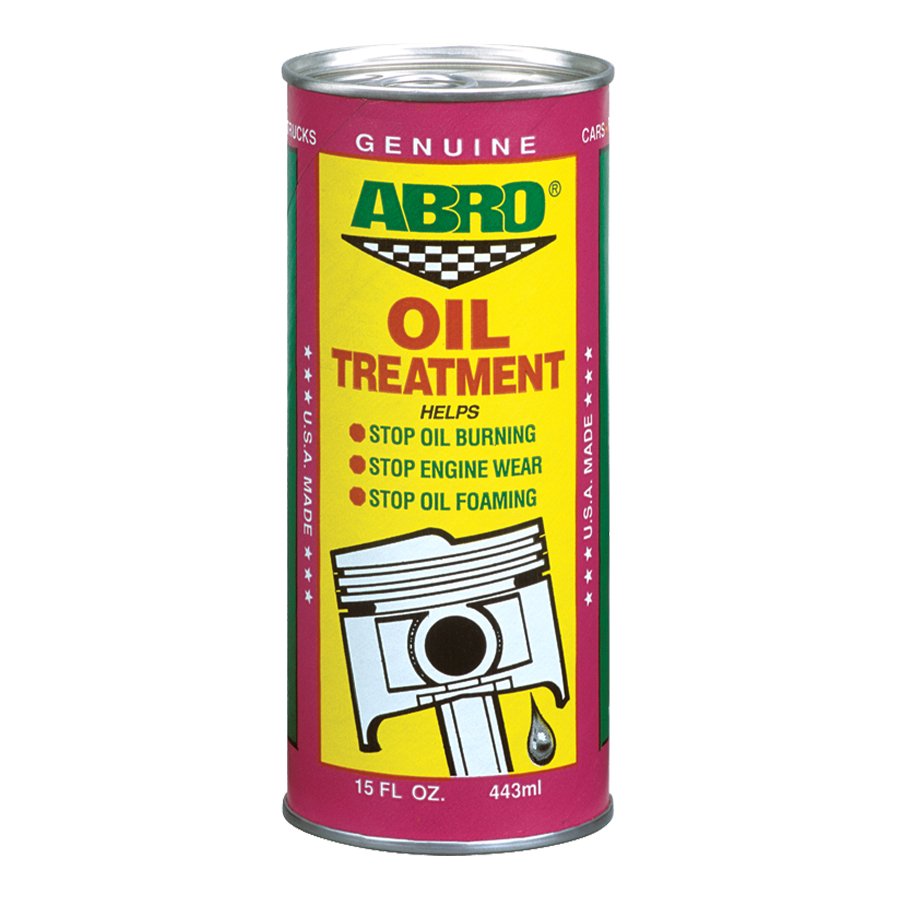
Credit: abro.com
Frequently Asked Questions
What Is Car Oil Treatment Used For?
Car oil treatment improves engine lubrication and reduces wear. It helps clean engine parts and prevents corrosion. Regular use enhances engine performance and extends oil life. It also reduces friction, leading to better fuel efficiency and smoother driving.
How Often Should I Apply Car Oil Treatment?
Apply car oil treatment every oil change or as recommended. Usually, this is every 3,000 to 5,000 miles. Follow the product instructions for best results. Regular application ensures consistent engine protection and optimal performance.
Can Car Oil Treatment Fix Engine Noise?
Yes, oil treatment can reduce engine noise by lubricating moving parts. It minimizes metal-on-metal contact and lowers friction. However, it won’t fix severe mechanical issues. Use it as a preventive measure for smoother engine operation.
Is Car Oil Treatment Safe For All Engines?
Most car oil treatments are safe for gasoline and diesel engines. Always check the product label for compatibility with your engine type. Using the right treatment protects your engine without causing damage or voiding warranties.
Conclusion
Using car oil treatment helps protect your engine and improve its life. It reduces wear and keeps parts running smoothly. Apply the treatment as the guide shows for best results. Regular use keeps your car in good shape and saves money on repairs.
Remember, a well-maintained engine runs better and lasts longer. Simple steps like these make a big difference. Keep your car healthy with proper care and oil treatment. Your engine will thank you.
Recent Posts
10 Best License Plate Frames for Popular Cars: Stylish & Durable Picks
Have you ever struggled with a loose or rusty license plate frame that just won’t stay put? It’s frustrating when your car’s look feels unfinished or when a noisy frame distracts you on every...
Best Tesla Model 3 & Model Y License Plate Frames No Drill Options
Have you ever struggled with installing a front license plate on your Tesla Model 3 or Model Y? Drilling into your sleek car’s bumper can feel wrong and risky.It’s frustrating to think about...