
Have you ever needed to move a tree using your car but weren’t sure how to tie it safely? Knowing how to secure a tree to your vehicle can save you time, effort, and avoid accidents on the road.
In this guide, you’ll discover simple, step-by-step methods to tie a tree to your car with confidence. Whether it’s for gardening, landscaping, or a DIY project, mastering this skill will make your task easier and safer. Keep reading, and you’ll learn the best tips to protect your tree and your car every time.
Choosing The Right Tree
Choosing the right tree is the first step to safely tie a tree to your car. The tree must fit the task to avoid damage to your vehicle or the tree. Consider the size, weight, and health of the tree carefully. A poor choice can cause accidents or harm the tree.
Size And Weight Considerations
Pick a tree size that your car can handle. Too large or heavy trees can strain the car’s roof or tie points. A smaller tree is easier to secure and control during transport. Measure the tree’s length and girth before tying it to your vehicle.
Distribute the weight evenly on the car roof. Avoid overloading one side to keep balance. This helps prevent the car from tipping or swaying on the road.
Selecting A Healthy Tree
Choose a tree that is fresh and healthy. Dry or dead trees can shed needles and break easily. Check for green needles and sturdy branches. A healthy tree lasts longer and looks better after transport.
Look for signs of disease or damage on the tree. Avoid trees with broken limbs or spots on the bark. A strong tree is safer and easier to tie down securely.
Preparing The Car
Preparing your car is a key step before tying a tree to it. This step ensures safety and prevents damage to your vehicle. Taking time to prepare helps the tree stay secure during transport. Follow the simple steps below to get your car ready.
Clearing The Roof Or Bed
Start by removing all loose items from the roof or truck bed. Objects can shift and cause damage while driving. Clean the area to avoid scratches on your car’s surface. Make sure the roof or bed is dry to help the tree stay in place. A clear space creates a stable base for the tree.
Using Protective Materials
Place soft materials like blankets or towels on the roof or bed. These protect your car from scratches and dents. Wrap the tree base with a cloth to avoid rough spots. Use padding under straps to reduce pressure on the car. Protective layers keep both your car and tree safe.
Selecting Proper Ropes And Straps
Choosing the right ropes and straps is key for tying a tree to a car safely. This step protects your car, the tree, and other people on the road. Using weak or unsuitable materials can cause accidents or damage. Take time to select ropes or straps that hold strong under pressure and last long.
Types Of Ropes And Straps
There are several types of ropes and straps for tying trees to cars. Nylon ropes are common. They stretch a little and resist water well. Polyester ropes do not stretch much and stay strong when wet. Avoid natural fiber ropes like cotton; they weaken when wet and can break easily.
Straps with ratchets are very popular. They tighten firmly and hold the load in place. Cam buckle straps are easier to use but may not hold as tightly. Choose straps made from strong synthetic materials like polyester or nylon for the best strength.
Checking For Strength And Durability
Check the rope or strap label for its weight limit. It should support much more than the tree’s weight. Inspect the material for signs of wear, frays, or cuts. Old or damaged ropes and straps can fail suddenly.
Test the rope’s flexibility. It should be tough but still bend easily. Make sure the straps’ buckles or ratchets work smoothly without rust or damage. Always replace any rope or strap that looks weak before use.
Positioning The Tree
Positioning the tree correctly on your vehicle is key for a safe and smooth drive. It helps avoid damage to the car and the tree. Proper placement also makes tying the tree easier and more secure.
Taking time to position the tree well reduces the risk of it shifting or falling off. This step prepares you for the next stages of tying and securing the load.
Aligning The Tree On The Vehicle
Place the tree with the trunk facing the front of the car. This reduces wind resistance and protects the branches. Center the tree along the roof or trunk for even support. Make sure the base of the tree rests near the front edge of the roof. Avoid letting the tip hang too far over the back. Check that no part of the tree blocks your view while driving.
Balancing Weight For Stability
Distribute the tree’s weight evenly across the vehicle’s roof or trunk. This prevents tilting and swaying during travel. Use cushions or blankets under the tree base to protect the car and improve grip. Keep the heaviest part near the vehicle’s center. This balance helps maintain control and stability on the road. Double-check the tree feels steady before tying it down.
Tying Techniques
Tying a tree to your car needs careful techniques for safety. The right knots and points keep the tree steady. This stops it from moving or falling during travel.
Good tying techniques protect your car and other drivers. They help the tree stay secure on the roof or in the truck bed. Use strong knots and tie the tree at different spots.
Basic Knots For Security
Start with simple knots that hold tight. The square knot is easy and strong for tying two ends. The bowline knot creates a loop that won’t slip. These knots keep the rope tight around the tree and car.
The trucker’s hitch adds extra tension. It helps pull the rope tight and locks it in place. Use this knot to secure the tree firmly before driving.
Securing The Tree At Multiple Points
Do not tie the tree at just one spot. Use several points to spread the hold. Tie the front, middle, and back of the tree. This stops it from shifting or sliding.
Attach ropes to the car’s roof rack or tie-down hooks. Check that the tree lies flat and tight. Multiple points keep the load balanced and safe on the road.
Safety Checks Before Driving
Before driving with a tree tied to your car, safety checks are crucial. These checks prevent accidents and keep you and others safe on the road. Always spend a few minutes to inspect the setup carefully.
Check the rope and the tree’s position. Make sure everything is secure and will not shift during travel. These small steps can save big trouble later.
Testing Rope Tightness
Pull the rope firmly to test its tightness. The rope should not slip or loosen easily. Tight rope holds the tree firmly in place. Loose rope can cause the tree to move or fall off.
Check all knots carefully. They should be tight and secure. Use double knots for extra safety.
Ensuring No Obstructions Or Damage
Look for any branches that block your view. Remove or adjust them if needed. Obstructed vision can cause accidents.
Check the car body for scratches or dents from the tree. Make sure the tree does not touch the tires or exhaust pipe. Avoid damage to your car or unsafe situations.
Driving Tips With A Tied Tree
Tying a tree to your car requires careful driving. The extra weight and size change how your vehicle moves. Safe driving protects you, others, and the tree. Use these tips to drive smoothly and avoid accidents.
Speed And Handling Adjustments
Drive slower than usual. The tree adds weight and wind resistance. Your car will take longer to stop. Avoid sharp turns and sudden moves. Keep a bigger distance from other vehicles. Smooth driving keeps the tree secure and balanced.
Monitoring The Load During Transit
Check the tied tree often during stops. Make sure the ropes or straps are tight. Look for any signs of shifting or slipping. Fix any problems before you start driving again. Keep the load steady to avoid damage or accidents.
Unloading And Removing The Tree
Unloading and removing a tree tied to a car requires care and attention. This step ensures safety and prevents damage to the vehicle or tree. Follow simple steps to make the process smooth and safe.
Safe Untying Methods
Start by parking the car on a flat surface. This stops the vehicle from moving during untying. Always wear gloves to protect your hands from rough rope or branches.
Loosen the knots slowly. Avoid pulling hard to stop sudden jerks. Untie the rope from the car first, then from the tree. Keep control of the tree as you remove the ropes.
Inspecting The Vehicle Post-transport
Check the car’s paint for scratches or marks from the tree or rope. Look under the car for any debris or broken branches. Clean off any dirt or sap to protect the car’s finish.
Examine the tires and mirrors for damage. Fix small issues quickly to avoid bigger problems. This check helps keep your car safe for future drives.
Frequently Asked Questions
How Do I Safely Tie A Tree To My Car?
Use strong rope or straps to secure the tree. Position the tree evenly and tie it tightly to avoid movement during transport. Always check the knots and adjust if needed to ensure safety.
What Type Of Rope Is Best For Tying A Tree To A Car?
Nylon or polyester ropes are ideal. They are strong, durable, and resist weather conditions. Avoid thin or weak ropes to prevent breakage during transport.
Can I Tie A Tree To Any Part Of My Car?
Attach the rope to sturdy parts like the roof rack or tow hooks. Avoid fragile areas that can be damaged or cause unsafe loads. Ensure the tree is balanced and secure.
How To Prevent Damage To My Car While Tying A Tree?
Use padding like blankets or foam between the tree and car. This protects your car’s paint and body from scratches and dents during transport.
Conclusion
Tying a tree to your car can be easy and safe with the right steps. Always use strong ropes or straps and check the knots well. Secure the tree tightly to avoid any movement during travel. Take your time to make sure everything is stable.
Drive carefully and watch for any signs of slipping. This simple process helps protect your car and the tree. Stay safe and enjoy your trip with your tree secured properly.

- Features: Tree stake support bands are ring buckle design, in the case of fastening, but also can be easily removed. Ver…
- Easy to use: Tree plant ties are simple operation, just wrap one end of the required element and pass it through the rin…
- Material: Adjustable tree stake supports are made of pp material, flexible and difficult to deform, easy to buckle. Rugg…

- 【4X4 Must-Have】Perfect Must-have to keep with. It is a Tree Saver, Bridle Strap, Backup Tow Strap, Winch Rope Extension …
- 【Reliable Strength】Made of 100% Reinforced Polyester Webbing, provides Lab-Tested 36,000 Lbs Break Strength which is far…
- 【Reinforced Structure】Come with Reinforced Eye Loops and Neoprene Protector Sleeves, which doubled strap’s durability an…

- 3 inch wide, 8 foot long heavy duty tree saver strap, winch strap, short tow strap with loops 30,000 pound capacity. Per…
- When stored, TGL tree saver strap winch strap is 5 inches by 9 inches by 3 inches tall. or roughly the size of a liter w…
- Reinforced loops on our tree saver strap, winch strap protects against abrasion when connecting to other straps with d r…
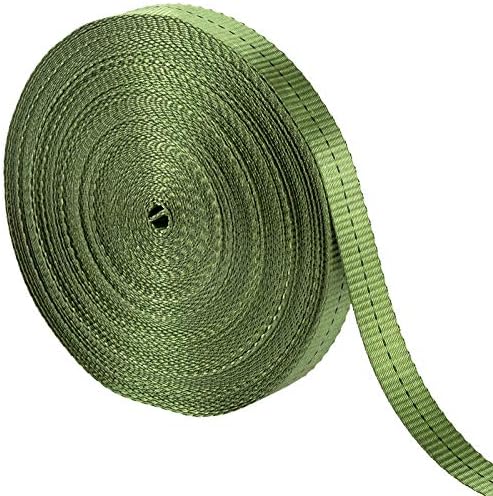
- Superior Strength: With a tensile strength of 2,425 lbs, the tree straps provide secure support without harming the tree…
- Blends Seamlessly with Landscaping: Unlike bright, eye-catching tree rope that stand out, our tree support straps featur…
- Gentle & Secure Support: This soft, non-abrasive tree straps for staking provides firm support, its wide, non-slip desig…
Recent Posts
Ready to say goodbye to your old car without the headache? Our guide breaks down the best and most effortless solutions to get it done.
Think it's okay to check your oil while the engine is running? This one common mistake can give you an inaccurate reading and lead to serious engine damage.