
Choosing the right oil for your car can feel confusing. You might wonder which type keeps your engine healthy and saves you money.
The truth is, the oil you pick affects your car’s performance, fuel efficiency, and how long your engine lasts. If you want to avoid costly repairs and keep your car running smoothly, learning how to choose the right oil is a must.
This guide will help you make the best choice quickly and easily. Keep reading to discover simple tips that protect your car and give you peace of mind on every drive.

Credit: tillymillautocenter.com
Types Of Car Oils
Choosing the right oil for your car is important. Different oils serve different purposes. Each type protects your engine in unique ways. Knowing the types helps you pick the best one for your vehicle.
Conventional Oil
Conventional oil is the most common type. It comes from crude oil and is refined for use. It works well for older cars or simple engines. This oil is usually less expensive. It needs to be changed more often than other oils.
Synthetic Oil
Synthetic oil is made in a lab. It offers better protection at high and low temperatures. It flows smoothly, reducing engine wear. Cars with newer engines benefit most from synthetic oil. It lasts longer and keeps engines cleaner.
Synthetic Blend Oil
Synthetic blend oil mixes synthetic and conventional oils. It balances cost and performance. This oil protects better than conventional oil alone. It is good for trucks and SUVs. It provides extra engine protection under heavy use.
High-mileage Oil
High-mileage oil is for cars with over 75,000 miles. It contains special additives to reduce leaks and oil burn-off. It helps keep older engines running smoothly. This oil can extend engine life. It also reduces engine wear and tear.

Credit: www.youtube.com
Viscosity And Oil Grades
Viscosity and oil grades are key factors in choosing the right oil for your car. Viscosity shows how thick or thin the oil is. Oil grades tell you how the oil performs at different temperatures. Picking the correct oil helps your engine run smoothly and last longer.
What Viscosity Means
Viscosity measures oil thickness. Thick oil flows slower. Thin oil flows faster. Cold weather needs thinner oil. Hot weather needs thicker oil. The right viscosity keeps engine parts protected.
Choosing The Right Sae Grade
SAE grades show oil viscosity levels. Numbers like 5W or 10W refer to winter or cold weather. The second number, like 30 or 40, shows oil thickness at high heat. Use the SAE grade recommended in your car manual.
Multi-grade Oils Explained
Multi-grade oils work well in many temperatures. They have two numbers, like 10W-30. The first number is for cold starts. The second number is for hot engine running. Multi-grade oils protect your engine all year.
Manufacturer Recommendations
Choosing the right oil for your car starts with the manufacturer’s advice. Car makers design engines with specific oil types in mind. Using the recommended oil helps your engine run smoothly and last longer.
Following these guidelines can prevent damage and keep your warranty valid. It also improves fuel efficiency and reduces engine wear. Always trust the car maker’s instructions as your primary guide.
Checking The Owner’s Manual
The owner’s manual is the best place to find oil advice. It lists the right oil type and viscosity for your car. Look for information on oil grades like 5W-30 or 10W-40. The manual also tells you about synthetic or conventional oil needs.
Read the manual carefully before buying oil. It has tips on oil change intervals too. Keep the manual in your car for quick reference anytime.
Following Oem Specifications
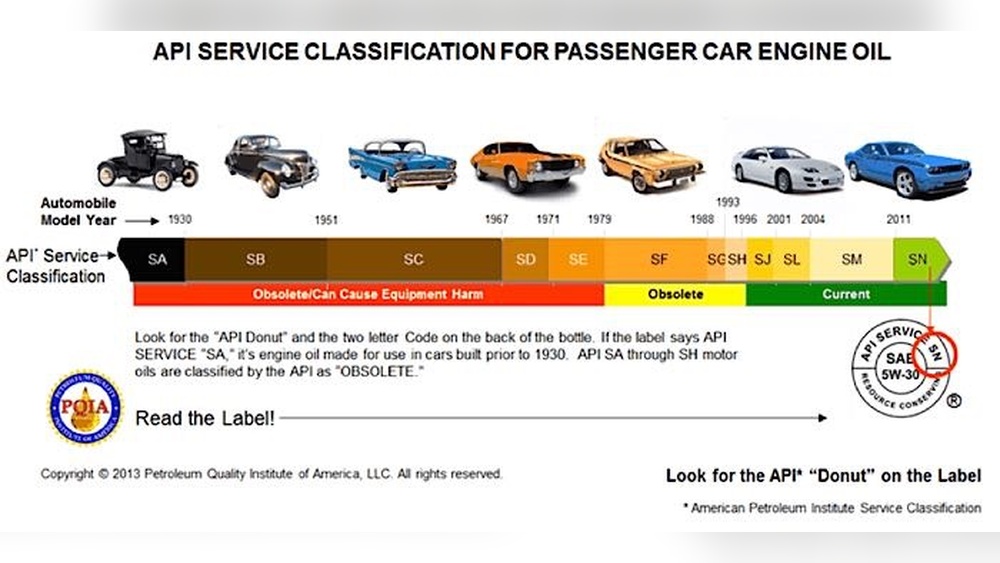
OEM means Original Equipment Manufacturer. These specs show the exact oil standards your car needs. Check for API or ACEA ratings in the manual or on oil labels. Using oil that meets OEM specs ensures proper engine protection.
OEM specs cover things like oil thickness and additives. Choose oil that matches these rules to avoid engine problems. Stick to these specs even if cheaper options appear tempting.
Environmental And Driving Conditions
Choosing the right oil for your car depends on the environment and how you drive. Weather and road conditions affect how oil works inside your engine. Using the wrong oil can cause wear or reduce performance. It is important to match oil with your climate and driving style. This helps your engine stay strong and last longer.
Climate Impact On Oil Choice
Cold climates need oil that flows easily at low temperatures. Thin oils help start the engine quickly in winter. Thick oils can slow down the engine and cause damage in cold weather. Hot climates require oils that protect the engine from heat. Thicker oils prevent the engine parts from rubbing too much. Check your car manual for temperature ranges and oil types. Choose oil based on the average climate where you drive most.
Driving Habits And Oil Needs
Short trips and stop-and-go driving put stress on engine oil. Oil breaks down faster with frequent starts and stops. Use oil designed for heavy city driving to protect your engine. Long highway drives keep the engine at steady speed. Regular oil is often enough for highway driving. Towing or carrying heavy loads heats the engine more. Choose oil with extra protection for these tough tasks. Matching oil to your driving keeps the engine healthy.
Oil Additives And Their Benefits
Oil additives play a vital role in car engine performance. They improve the oil’s ability to protect and clean the engine. Additives help keep the engine running smoothly and extend its life. Understanding these additives helps you pick the right oil for your car.
Detergents And Dispersants
Detergents clean engine parts by removing dirt and deposits. They stop sludge and varnish from building up. Dispersants keep tiny particles suspended in the oil. This prevents harmful deposits from settling on engine surfaces. Together, they keep the engine clean and efficient.
Anti-wear Additives
Anti-wear additives protect metal parts from rubbing against each other. They form a thin layer on surfaces to reduce friction. This layer reduces wear and tear during engine start-up and heavy use. These additives help the engine last longer and run quietly.
Friction Modifiers
Friction modifiers lower the resistance between moving parts. They improve fuel efficiency by reducing energy loss. These additives help the engine run smoother and cooler. They also reduce heat caused by friction inside the engine.
Signs You Need To Change Oil
Knowing the signs you need to change your car’s oil can save your engine. Old or dirty oil harms engine parts. It causes poor performance and expensive repairs. Watch for clear signals your oil needs changing. This helps keep your car running smoothly and lasts longer.
Oil Color And Consistency
Fresh oil is amber or light brown. Dark black oil means it is dirty. Thick or gritty oil feels sticky or grainy between fingers. This shows dirt and metal bits inside. Clean oil flows easily. Thick oil blocks engine parts. Check oil with a dipstick regularly. Change oil if it looks dark or feels thick.
Engine Performance Indicators
Car running rough or making unusual sounds can mean bad oil. Engine may hesitate or stall. You might notice less power or slow acceleration. Warning lights on the dashboard also signal oil problems. Engine overheating can happen with old oil. Pay attention to strange noises or poor performance. These signs mean it’s time for an oil change.
Budget And Brand Considerations
Choosing the right oil for your car involves thinking about both budget and brand. You want good quality oil without spending too much money. At the same time, the brand of oil can affect your car’s performance and engine health. Finding the best balance between cost and trusted brands is key.
Balancing Cost And Quality
Cheap oil might save money now but can harm your engine later. High-quality oil protects your engine better and lasts longer. Look for oil that fits your budget but meets your car’s needs. Sometimes, spending a little more saves money on repairs.
Check the oil’s grade and specifications. These tell you if the oil suits your car type. Avoid very low-cost oils without proper certifications. Quality matters for engine health and fuel efficiency.
Trusted Oil Brands
Choose brands with good reputations and history. They test their oils and follow strict rules. Well-known brands often offer oils that pass industry standards. Your car manual may recommend certain brands or types.
Trusted brands give you peace of mind. They use better ingredients to protect your engine. Avoid unknown or generic brands that do not show clear info about their oil. Quality oil from a known brand is safer for your car.

Credit: www.aamcocolorado.com
Frequently Asked Questions
What Type Of Oil Is Best For My Car?
The best oil type depends on your car’s make and model. Check the owner’s manual for recommended viscosity and oil grade. Synthetic oils offer better performance and protection, while conventional oils are cost-effective. Choose oil that meets your engine’s specifications for optimal results.
How Often Should I Change My Car’s Oil?
Most cars need an oil change every 5,000 to 7,500 miles. Follow your vehicle manufacturer’s guidelines for oil change intervals. Regular oil changes keep the engine clean and running smoothly. Check oil levels monthly to maintain proper lubrication and prevent engine damage.
Can I Use Synthetic Oil In An Older Car?
Yes, synthetic oil can be used in older cars if recommended. Synthetic oils provide superior engine protection and reduce wear. However, check your owner’s manual or consult a mechanic to ensure compatibility. Some older engines may require conventional oil due to seals and design.
What Does Oil Viscosity Mean For My Car?
Oil viscosity indicates the oil’s thickness and flow at different temperatures. It’s shown by numbers like 5W-30, where “W” means winter. Choosing correct viscosity ensures proper engine lubrication, especially in extreme temperatures. Always use the viscosity grade recommended by your vehicle manufacturer.
Conclusion
Choosing the right oil keeps your car’s engine healthy and strong. Always check your car’s manual for oil type and weight. Good oil helps your engine run smoothly and lasts longer. Change oil on time to avoid engine problems. Clean oil saves fuel and reduces pollution.
Trust simple tips to pick the best oil for your car. Take care of your engine, and it will take care of you. Easy steps make car maintenance less stressful. Keep your car running well with the right oil choice.
Recent Posts
Durable Jeep Wrangler American Flag License Plate Frame for Patriotic Drivers
Have you ever felt frustrated by a plain, worn-out license plate frame on your Jeep Wrangler? It’s a small detail, but it can really affect your vehicle’s look.Every time you see that dull...
Slim Design Audi Black License Plate Frame for Sleek Car Styling
Have you ever struggled with a bulky, noisy license plate frame that just doesn’t fit right? It can be so frustrating when your car’s style feels off or the frame rattles every time you...