
Is your car leaving mysterious oil spots on the driveway? You might be dealing with an oil leak.
But how much will it cost you to fix it? Understanding the price can save you from surprises and help you decide the best way to handle the problem. You’ll discover the real cost behind repairing an oil leak and what factors can make that price go up or down.
Keep reading—you don’t want to miss these essential tips that could protect your wallet and your car.
Credit: www.dinggo.com.au
Common Causes Of Oil Leaks
Oil leaks are common car problems that need quick attention. They can cause engine damage and costly repairs. Understanding the common causes helps spot issues early. This saves money and keeps your car safe.
Many parts can cause oil to leak. Some wear out with time. Others get damaged by road bumps or rough driving. Below are the main reasons your car might leak oil.
Worn Gaskets And Seals
Gaskets and seals keep oil inside the engine. Over time, they dry out and crack. This lets oil escape. Replacing worn gaskets or seals stops leaks and protects the engine.
Damaged Oil Pan
The oil pan holds the engine oil at the bottom. Stones or debris can crack or dent the pan. Even small damage can cause oil to drip. Fixing or replacing the pan stops leaks fast.
Faulty Oil Filter
The oil filter cleans the oil as it circulates. A loose or damaged filter leaks oil. Using the wrong filter size also causes leaks. Changing to a good filter helps maintain engine health.
Loose Or Damaged Drain Plug
The drain plug lets you drain old oil during oil changes. If it is loose or stripped, oil can leak. Tightening or replacing the plug solves this problem quickly.
Signs Of An Oil Leak
Oil leaks can cause serious damage to your car’s engine. Catching signs early helps save money and avoid big repairs. Watch your car closely for common signs of an oil leak. These signs often appear before the leak worsens.
Visible Oil Spots
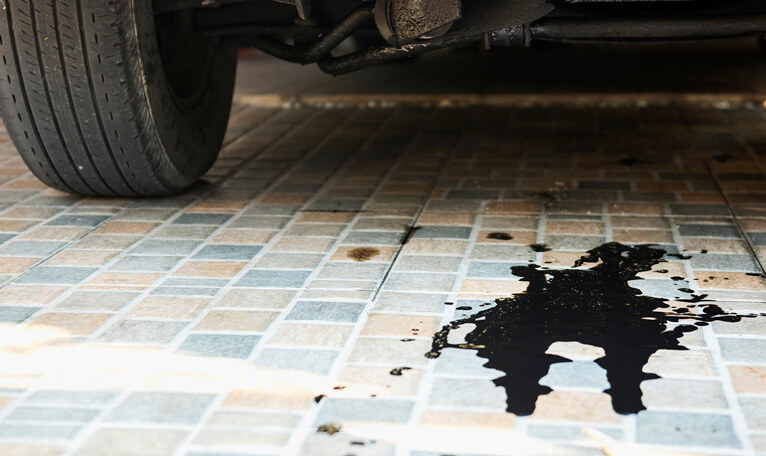
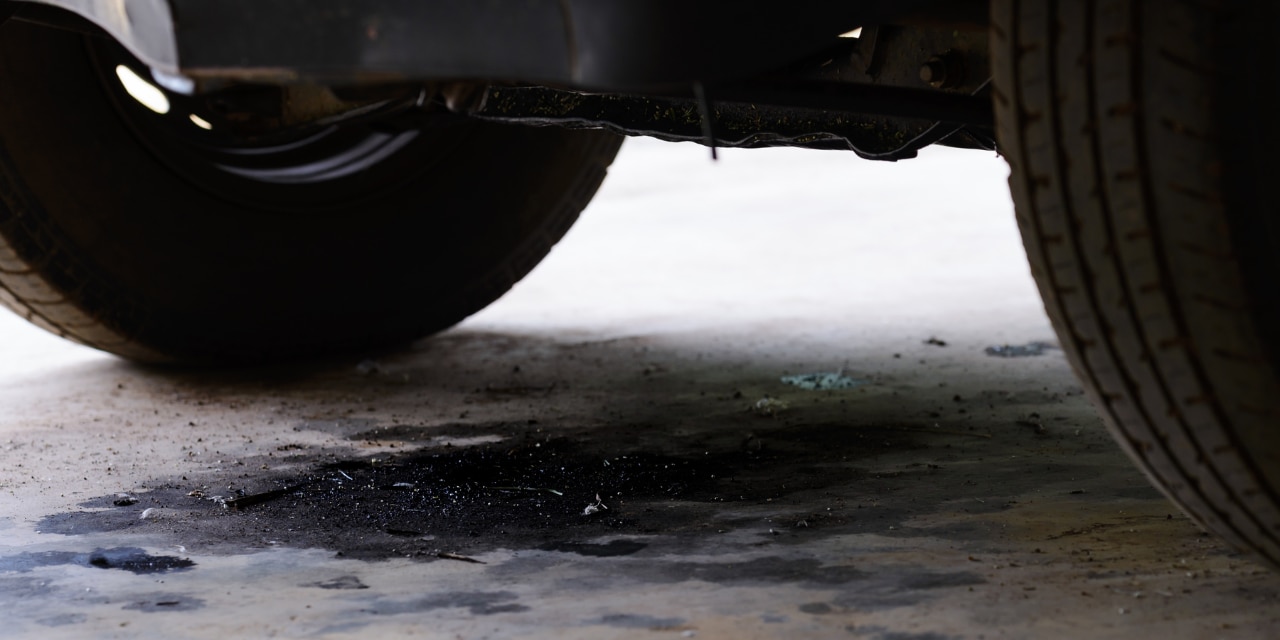
Check the ground where you park your car. Dark, wet spots under the engine show oil leaks. Look for fresh or dried stains. Oil spots usually appear as black or brown patches. Spotting these early helps find the leak source fast.
Burning Oil Smell
A sharp, burning oil smell means oil is dripping on hot parts. This smell often grows stronger when the engine runs. It comes from oil burning on the exhaust or engine block. Never ignore this smell—it signals a leak that needs fixing.
Low Oil Levels
Regularly check your car’s oil with the dipstick. Low oil levels suggest a leak or burning oil. Losing oil reduces engine protection and causes damage. Top up oil and inspect for leaks if the level drops fast.
Engine Overheating
Oil helps cool your engine. A leak lowers oil amount, causing overheating. The temperature gauge may rise suddenly while driving. Overheating can cause engine failure. Watch for this sign and fix leaks quickly.
Factors Influencing Repair Costs
Repair costs for a car oil leak vary widely. Several key factors affect the final price. Knowing these can help you plan your budget better. Understanding each element clarifies why some repairs cost more.
Severity And Location Of Leak
Small leaks may need simple fixes, like replacing a gasket. Large leaks often require more work and parts. Leaks near the engine block can be tricky and costly. Leaks at the oil pan or valve cover usually cost less to fix.
Car Make And Model
Luxury and imported cars tend to have higher repair costs. Parts for common models are cheaper and easier to find. Some cars need special tools or skills, raising labor charges. Older cars might have worn parts that add to the price.
Labor Rates In Your Area
Labor costs differ from city to city. Urban areas often charge more per hour than rural locations. Dealerships usually have higher rates than independent shops. The total labor time depends on leak complexity and access.
Parts Availability
Easy-to-find parts keep repair costs down. Rare or discontinued parts cost more and take longer to get. Using original equipment manufacturer (OEM) parts raises the price. Aftermarket parts can be cheaper but vary in quality.
Credit: www.synchrony.com
Typical Repair Cost Ranges
Fixing a car oil leak can cost different amounts. The price depends on the cause and how bad the leak is. Some repairs are simple and cheap. Others need more work and cost more money.
Knowing the typical repair cost helps you plan your budget. It also helps you decide when to visit a mechanic. Below are common repair types with their price ranges.
Minor Seal Or Gasket Replacement
Seals and gaskets stop oil from leaking. Over time, they wear out or crack. Replacing a small seal or gasket usually costs between $50 and $150. This job takes less than an hour. It is one of the cheapest fixes for oil leaks.
Oil Pan Repair Or Replacement
The oil pan holds the engine oil. If it gets damaged, it can leak oil. Repairing an oil pan costs around $100 to $300. Replacing the pan can cost $200 to $500. Costs depend on the car model and labor time. Repair is cheaper but not always possible.
Oil Filter And Drain Plug Fixes
Sometimes leaks come from the oil filter or drain plug. These parts must be tight and sealed well. Fixing these leaks costs between $20 and $100. This includes replacing the filter or drain plug gasket. It is a quick and inexpensive repair.
Major Engine Repairs
Big oil leaks may need major engine work. This can happen if seals inside the engine fail. Repairing or rebuilding engine parts can cost $500 to over $1,500. These repairs take many hours of labor. It is the most expensive type of oil leak fix.
Diy Fixes Vs Professional Repairs
Deciding between fixing a car oil leak yourself or hiring a professional can be tough. Both options have costs, benefits, and risks. Understanding these can save money and avoid bigger problems. This section breaks down when to try a DIY fix and when to seek professional help.
When To Attempt Diy
Small oil leaks from simple parts like gaskets or seals may be fixed at home. Basic tools and some car knowledge help. Buying a repair kit or sealant can cost less than a shop. Easy leaks often show clear spots under the car or a burning oil smell. If the leak is slow and you can safely reach the area, a DIY fix might work.
Risks Of Self-repair
Fixing an oil leak without experience can cause damage. Wrong parts or tools may worsen the leak or harm the engine. Oil spills can create fire risks or damage other parts. Missing the real problem leads to expensive repairs later. Safety risks exist when working under a car. Unseen leaks may continue and cause engine failure.
Benefits Of Professional Service
Mechanics find the exact source of the leak quickly. They use proper tools and parts for a secure fix. Professionals prevent future leaks and engine damage. Repairs come with warranties for peace of mind. They dispose of oil safely, protecting the environment. Time is saved by avoiding trial-and-error fixes. Professionals ensure your car runs smoothly after repair.

Credit: www.highlinewarren.com
Preventing Future Oil Leaks
Preventing future oil leaks saves money and keeps your car healthy. Small leaks can lead to big problems if ignored. Taking steps now helps avoid costly repairs later. Simple habits and good care protect your engine and improve performance.
Regular Maintenance Tips
Check your car often for signs of leaks. Look under the car for oil spots. Listen for unusual engine sounds. Tighten loose bolts and replace worn gaskets early. Keep the engine clean to spot leaks fast. Regular checkups catch problems before they grow.
Using Quality Parts
Choose parts made to fit your car. Low-quality parts wear out quickly and cause leaks. Use original or trusted brand parts for seals and gaskets. Quality parts last longer and reduce the chance of leaks. Investing in good parts saves money and time.
Timely Oil Changes
Change your oil as the manual says. Old oil breaks down and can cause leaks. Fresh oil keeps the engine parts moving smoothly. Use the right type and amount of oil. Regular oil changes protect seals and prevent leaks. Staying on schedule helps your car run well.
Frequently Asked Questions
How Much Does Fixing A Car Oil Leak Typically Cost?
Fixing a car oil leak usually costs between $150 and $800. The price depends on the leak’s location and severity. Simple gasket repairs are cheaper, while complex engine fixes cost more.
What Factors Affect The Cost To Repair An Oil Leak?
Repair costs vary based on leak size, part location, and labor complexity. Parts like valve cover gaskets are cheaper than oil pan replacements. Labor rates also differ by region and mechanic expertise.
Can A Minor Oil Leak Cause Major Engine Damage?
Yes, even minor oil leaks can lead to serious engine damage. Low oil levels reduce lubrication, causing overheating and wear. Early repairs prevent costly engine problems and maintain vehicle safety.
How Long Does It Take To Fix An Oil Leak?
Repair time ranges from 1 to 4 hours, depending on leak complexity. Simple gasket replacements are quicker, while deep engine leaks require more time. Timely repairs save money and prevent further damage.
Conclusion
Fixing an oil leak can save you costly engine damage later. Costs vary based on leak size and car model. Small leaks might cost less than $100 to repair. Bigger leaks or parts replacement can reach several hundred dollars. Act quickly to avoid bigger problems and expenses.
Regular car checks help spot leaks early. Staying on top of repairs keeps your car running smooth. Don’t wait until the leak causes serious damage. Taking care of oil leaks protects your car’s health and your budget.
Recent Posts
Durable Jeep Wrangler American Flag License Plate Frame for Patriotic Drivers
Have you ever felt frustrated by a plain, worn-out license plate frame on your Jeep Wrangler? It’s a small detail, but it can really affect your vehicle’s look.Every time you see that dull...
Slim Design Audi Black License Plate Frame for Sleek Car Styling
Have you ever struggled with a bulky, noisy license plate frame that just doesn’t fit right? It can be so frustrating when your car’s style feels off or the frame rattles every time you...