
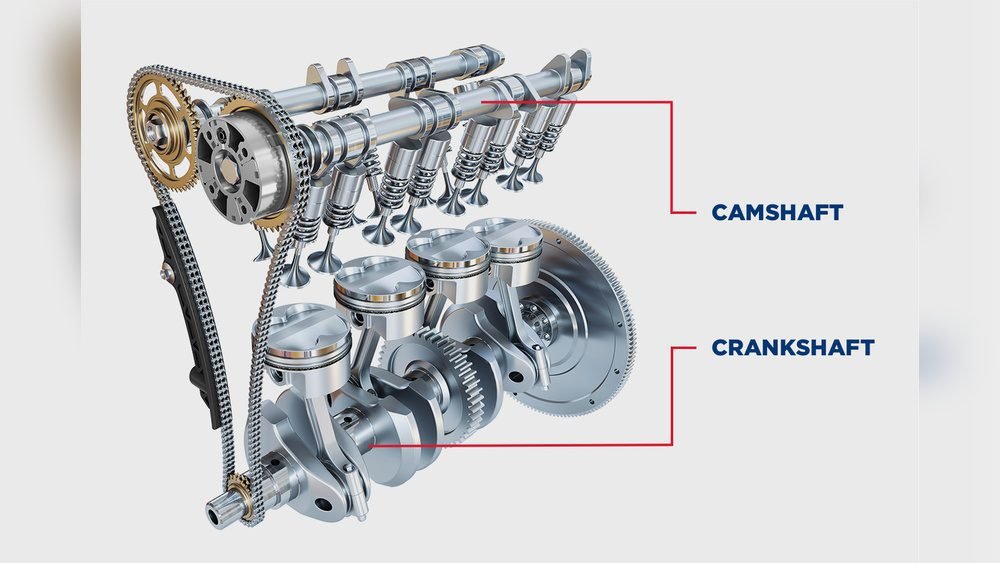
Cars have many sensors that help the engine run smoothly. One important sensor is the crankshaft position sensor. But how many crankshaft sensors are in a car? The answer depends on the type of car and its engine design.
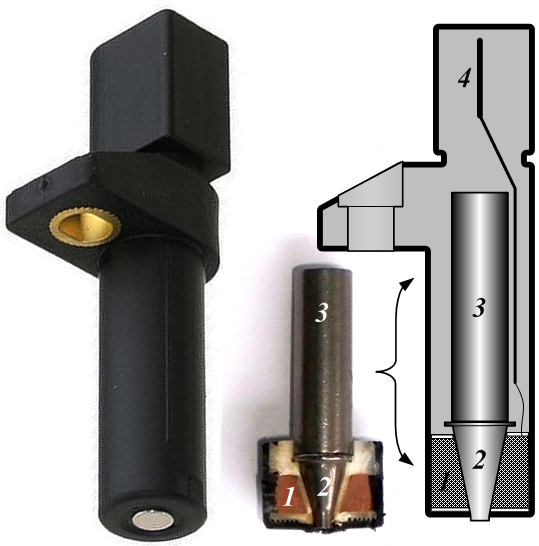
Credit: en.wikipedia.org
What Is a Crankshaft Position Sensor?
The crankshaft position sensor (CKP sensor) tells the car’s computer how fast the crankshaft is turning. It also shows where the crankshaft is in its rotation. This helps the engine control the fuel and spark timing. If this sensor stops working, the engine may not start or run well.
How Many Crankshaft Sensors Does a Car Have?
Most cars have one crankshaft position sensor. This sensor is usually near the crankshaft pulley or the transmission bell housing. It sends signals to the engine control unit (ECU) to help time the ignition and fuel injection.
However, some cars, especially high-performance or complex engines, may have two crankshaft sensors. These two sensors can improve engine timing and give backup if one sensor fails. But this is less common in everyday cars.
Summary Table: Number Of Crankshaft Sensors By Car Type
| Car Type | Number of Crankshaft Sensors | Reason |
|---|---|---|
| Most Normal Cars | 1 | Simple engine design, one sensor enough |
| High-Performance or Complex Engines | 2 | Improved timing and backup sensor |
| Older Cars | 1 or none | May use different sensor types |
Difference Between Crankshaft and Camshaft Sensors
Besides the crankshaft sensor, cars also have camshaft position sensors (CMP sensors). These sensors track the camshaft’s position. The camshaft moves the engine valves.
While most cars have one crankshaft sensor, they often have two camshaft sensors. This is because many engines have two camshafts, one for each cylinder bank.
Both sensors work together to help the engine run well. The crankshaft sensor controls ignition timing. The camshaft sensors control valve timing.
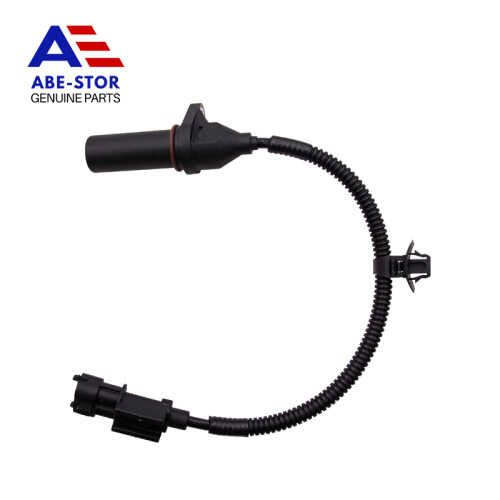
Credit: www.abe-stor.com
Where Is the Crankshaft Position Sensor Located?
The crankshaft sensor is often near the crankshaft pulley at the front of the engine. It can also be near the transmission or flywheel.
The sensor reads a toothed ring or reluctor wheel attached to the crankshaft. When the teeth pass the sensor, it sends a signal to the ECU.
Signs of a Bad Crankshaft Position Sensor
When the crankshaft sensor is bad, the car shows some problems. These problems help you know if the sensor needs fixing.
- Starting Issues: Engine cranks but does not start or starts hard, especially when hot.
- Engine Stalling: The engine may stop suddenly while driving or idling.
- Rough Operation: Rough idling, misfires, or shaking engine.
- Poor Performance: Slow acceleration, power loss, or bad fuel economy.
- Check Engine Light: The light may turn on the dashboard.
How to Test the Crankshaft Position Sensor (DIY)
You can check the sensor yourself with some simple tools. Here are easy ways to test it.
1. Visual Inspection
Look at the sensor and its wiring. Check for cracks, oil, dirt, or damage. Fix or clean any problem you find.
2. Use An Obd-ii Scanner
Plug in an OBD-II scanner to your car’s port. This tool reads error codes from the engine computer. If the sensor is bad, codes will show.
3. Test With A Multimeter (resistance)
Set your multimeter to measure Ohms (Ω). Disconnect the sensor and check resistance across the sensor terminals. Compare with the car manual values.
4. Test With A Multimeter (voltage Or Signal)
Set the multimeter to measure AC or DC volts. Have a helper crank the engine. Watch for voltage signals from the sensor.
5. Use An Oscilloscope
This tool shows the sensor’s digital waveform. It is the best way to check sensor signals but needs experience.
Tips for Sensor Testing
- Sometimes the sensor looks fine but still fails.
- If codes appear, check wiring and power first.
- Test the sensor itself only after wiring is good.
- Oil or dirt on the sensor can cause errors.
Why Is the Crankshaft Sensor Important?
The sensor helps the engine computer know when to fire spark plugs. It also helps control fuel injection timing. Without it, the engine may stop or not start.
Cars with one sensor work well. Some advanced cars use two sensors for better timing and safety.
Frequently Asked Questions
How Do I Know Which Crankshaft Sensor Is Bad?
Use an OBD-II scanner to check error codes and test sensor voltage with a multimeter. Look for rough idling, stalling, or no start. Visually inspect wiring and sensor damage. Faulty sensors show inconsistent signals or abnormal resistance during testing.
How Many Crankshaft Position Sensors Are There?
Most cars have one crankshaft position sensor. Some high-performance engines use two for precise timing or redundancy. The sensor monitors crankshaft speed and position for engine timing.
How Expensive Is It To Replace A Crankshaft Sensor?
Replacing a crankshaft sensor typically costs between $100 and $300. Labor and part prices vary by car model and location.
How Many Hours Does It Take To Replace A Crankshaft Position Sensor?
Replacing a crankshaft position sensor typically takes 1 to 2 hours. Time varies by vehicle make and model.

- [Vehicle Fitment]: Compatible with Hyundai Accent 2012-2019, Elantra 2011-2020, Elantra Coupe 2013-2014, Elantra GT 2013…
- [Reference Number]: PC934, 907-787, 907787, 2351456, 5S12470, SU13885, S0410058, 0410058, 0902267, TF-C465, 39180-2B000,…
- [Specification]: ① Terminal Quantity: 2 Pins; ② Terminal Type: Blade; ③ Color: Black; ④ Package Quantity: 1x Crankshaft …
Conclusion
Most cars have one crankshaft position sensor. Some special engines have two sensors for better control. The sensor is key for engine timing and smooth running.
If your car shows starting problems or rough running, the crankshaft sensor might be the cause. Testing and checking this sensor can save you time and money.
Remember, keep the sensor and its wiring clean and in good shape. This helps your car run better and last longer.
Recent Posts
Console for Car: Ultimate Organizers and Accessories for Clutter-Free Rides
Have you ever reached for your sunglasses or phone while driving, only to have them slip into the tiny gap between seats? It’s a small moment, but it can cause big frustration.These little...
Don't let a cold car ruin your morning drive. We've found the best heated seat pads for instant, toasty warmth and ultimate comfort.