
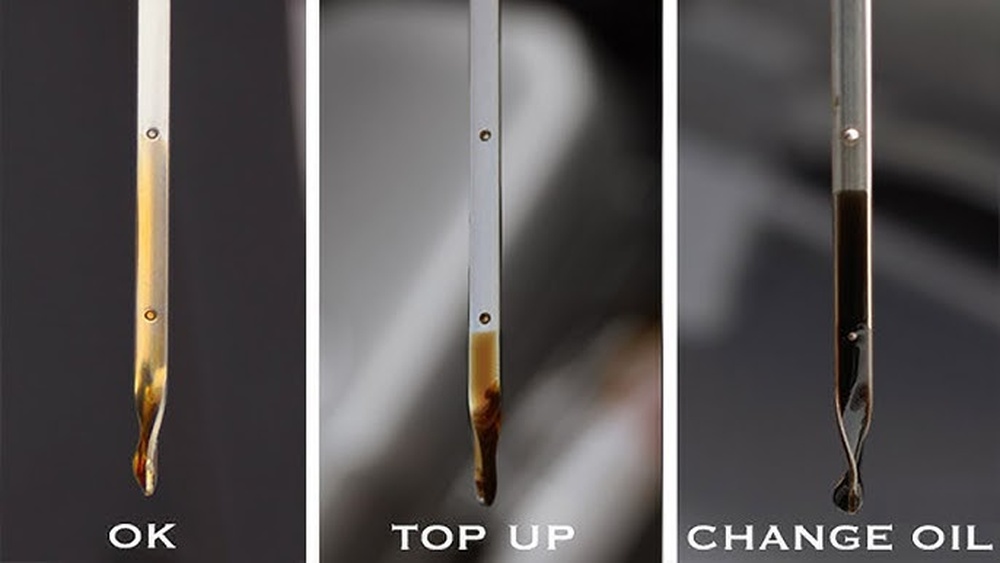
Your car’s engine depends on oil to run smoothly. But how do you know when it’s time to change or add oil?
Ignoring this can lead to costly repairs or even leave you stranded. If you want to keep your car healthy and avoid unexpected breakdowns, it’s important to recognize the signs that your car needs oil. Read on to learn simple tips that can save you time, money, and stress.
Credit: www.gulfoilltd.com
Signs Of Low Oil Levels
Low oil levels can harm your car’s engine. Oil keeps the engine parts moving smoothly. Without enough oil, parts rub and wear out faster. Spotting signs early can save costly repairs. Here are key signs that show low oil levels.
Dashboard Warning Lights
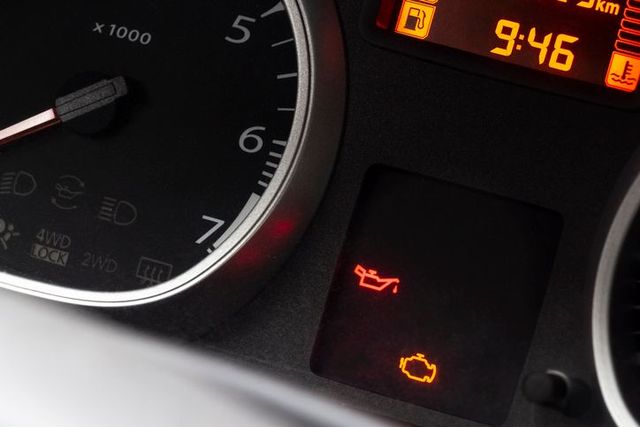
The oil warning light on your dashboard is a clear alert. It usually looks like an oil can or says “Oil.” This light turns on when oil pressure drops or oil is low. Ignoring it can cause serious engine damage. Check the oil level as soon as this light appears.
Engine Noise Changes
Low oil makes the engine louder than usual. You might hear knocking, ticking, or grinding sounds. Oil lubricates engine parts to stop noise. If you notice new or strange sounds, check your oil. Acting fast can protect your engine.
Oil Smell Inside Car
Smelling oil inside the car means a possible leak or burning oil. This smell often comes from low oil levels or oil spills. It can also signal an engine problem. If you smell oil, inspect the engine and check oil levels immediately.
Checking Oil Yourself
Checking your car’s oil is a simple task you can do at home. It helps keep your engine healthy and saves money on repairs. Learning how to check oil yourself makes car care easier and faster.
Locating The Dipstick
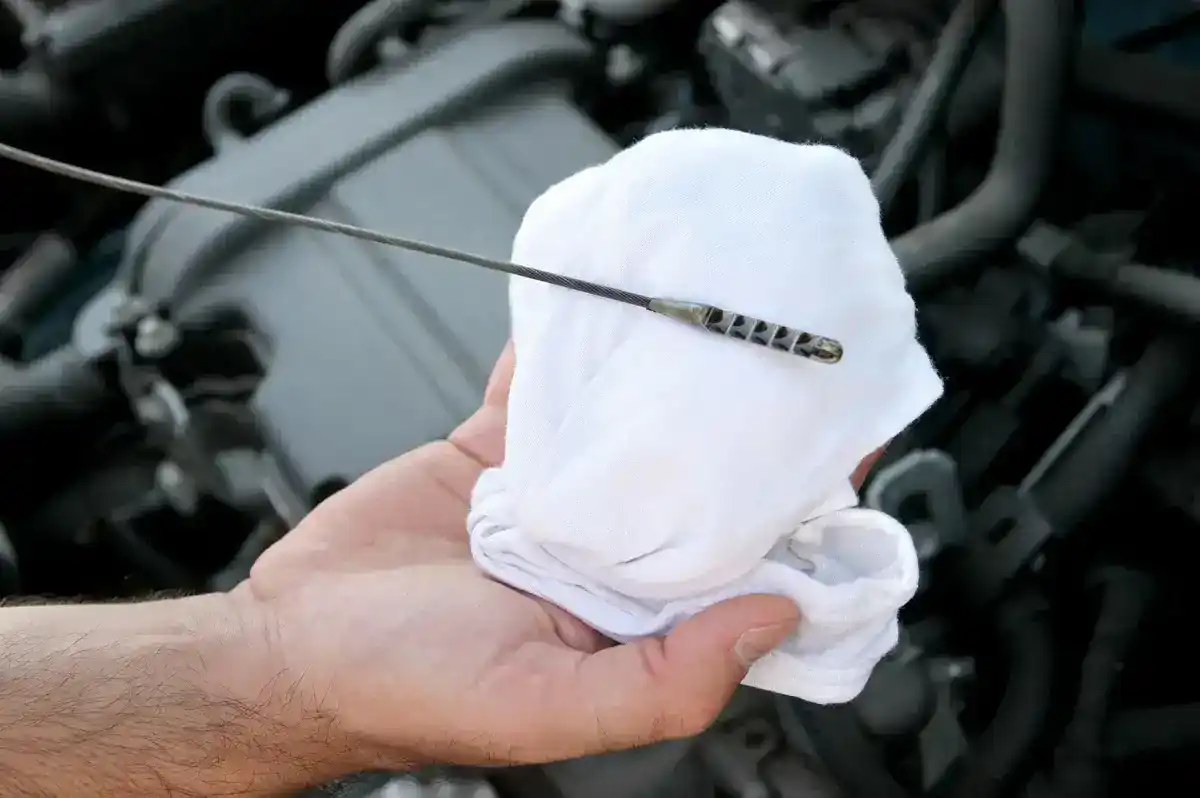
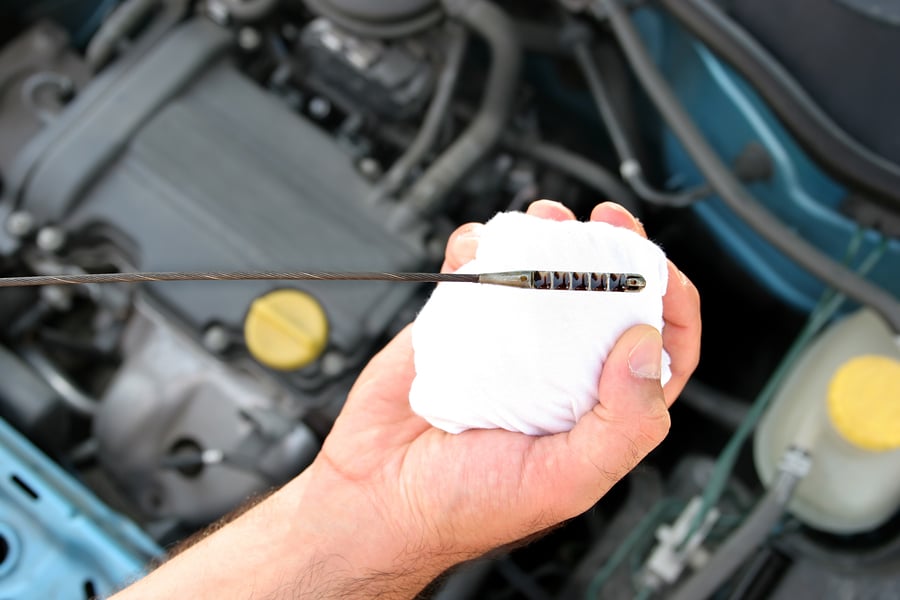
Open your car’s hood and find the dipstick. It usually has a bright handle, often yellow or orange. The dipstick is a thin metal rod that measures oil level. Pull it out carefully and wipe it clean with a cloth.
Reading Oil Level And Color
Insert the dipstick back fully, then pull it out again. Look at the oil mark on the stick. The oil should be between the low and full marks. Check the oil color too. Clean oil looks amber or light brown. Dark or dirty oil means it needs changing.
When To Add Or Change Oil
Add oil if the level is low but the color is still good. Use the oil type your car manual suggests. Change the oil if it looks dark, gritty, or smells burnt. Changing oil regularly keeps the engine running smoothly.
Oil Change Frequency
Knowing how often to change your car’s oil is key to keeping your engine healthy. Oil breaks down over time and loses its ability to protect engine parts. Changing oil at the right time helps avoid costly repairs and keeps the car running smoothly. Different factors affect how often you should change your oil.
Manufacturer Recommendations
Car makers give specific oil change intervals in the owner’s manual. These recommendations are based on the engine type and design. Most modern cars suggest oil changes every 5,000 to 7,500 miles. Older cars might need changes more often, around every 3,000 miles. Following the manual keeps your warranty valid and engine protected.
Driving Conditions Impact
Driving style and road conditions affect oil life. Stop-and-go traffic, short trips, and extreme temperatures wear oil faster. Dusty or rough roads also cause quicker oil contamination. In such cases, oil changes might be needed sooner than the manual suggests. Adjust your oil change schedule based on how and where you drive.
Types Of Motor Oil
Different oils last different lengths of time. Conventional oil needs changes more often than synthetic oil. Synthetic blends offer better protection and can go longer between changes. High-mileage oils help older engines stay clean and sealed. Check your oil type and change oil accordingly for best engine health.
Consequences Of Low Or Dirty Oil
Low or dirty oil can cause serious problems for your car. Oil keeps the engine parts moving smoothly and stops them from getting too hot. Without enough clean oil, the engine struggles to work well. Small issues can quickly turn into big, costly repairs.
Engine Overheating
Oil helps cool the engine by reducing friction. Low or dirty oil makes the engine heat up faster. Overheating can cause damage to many engine parts. It may lead to your car breaking down unexpectedly.
Increased Wear And Tear
Oil lubricates the engine parts to prevent rubbing. Dirty oil loses its ability to protect metal surfaces. This causes parts to wear out faster. Your engine will run rough and may make strange noises.
Potential Engine Failure
Without enough clean oil, the engine can seize up. Parts can break or melt from too much heat and friction. Engine failure means the car may stop working completely. Repairing or replacing the engine can be very expensive.
Using Technology To Monitor Oil
Technology helps car owners keep track of oil health easily. It shows when the oil needs changing. This stops engine damage and saves money. Modern cars and gadgets give clear signs about oil condition. They make car care simple and less stressful.
Oil Life Monitoring Systems
Many cars have built-in oil life monitoring systems. These systems check oil quality and usage. They use sensors and computer data. The system shows oil status on the dashboard. It tells drivers when to change oil. This helps avoid guessing and early oil changes. It also prevents damage from old oil.
Mobile Apps And Devices
Mobile apps connect to car systems for oil monitoring. They show oil life and maintenance alerts. Some apps link to smart devices plugged into the car. These devices read engine data in real time. Users get notifications about oil health on their phones. This makes oil care easy, even on the go. Apps also keep track of past oil changes and schedules.
Credit: www.hoodsupquicklube.com
Credit: www.hollenshades.com
Frequently Asked Questions
How Can I Tell If My Car Needs An Oil Change?
Check the oil level and color using the dipstick. Dark, dirty oil or low levels indicate a need for change. Also, note engine noise or warning lights as signs of oil issues.
What Are Common Signs Of Low Engine Oil?
Common signs include engine noise, overheating, oil warning light, and poor performance. Low oil can damage engine parts and reduce efficiency.
How Often Should I Check My Car’s Oil Level?
Check your car’s oil level at least once a month. Frequent checks help spot leaks or oil consumption early, preventing engine damage.
Can Bad Oil Affect Car Performance?
Yes, dirty or low oil reduces engine lubrication, causing overheating and poor fuel efficiency. Timely oil changes maintain smooth engine performance.
Conclusion
Your car needs oil changes to run smoothly and last longer. Watch for signs like engine noise, dirty oil, or warning lights. Check the oil level regularly with a dipstick. Clean oil protects the engine from damage and keeps it cool.
Changing oil on time saves you money on repairs later. Stay alert and keep your car healthy. Simple checks can prevent big problems. Take care of your car, and it will take care of you.
Recent Posts
Car Fridge Dual Zone: Ultimate Portable Cooler for Travel and Camping
Have you ever opened a car cooler only to find your drinks warm and your snacks spoiled? It’s frustrating when a simple road trip or camping day turns uncomfortable because your food isn’t...
Car Fridge And Warmer: Ultimate Portable Cooler for Travel and Camping
Have you ever been stuck on a long drive with warm drinks and soggy snacks? It’s frustrating when your food and beverages don’t stay fresh.This small annoyance can spoil your whole trip or...