
Have you ever wondered what keeps your car’s engine running smoothly? One small part plays a huge role in protecting your engine from damage—your car’s oil filter.
It might seem simple, but understanding how your oil filter works can help you take better care of your vehicle and avoid costly repairs. You’ll discover exactly what happens inside your oil filter and why it’s so important for your car’s health.
Keep reading to learn how this little component keeps your engine clean and your ride reliable.
Function Of Oil Filters
Oil filters play a key role in keeping a car’s engine clean and healthy. They trap dirt, metal bits, and other particles from the oil. This stops these contaminants from harming the engine parts. The oil filter works by letting clean oil flow through while catching the dirty stuff.
Role In Engine Maintenance
Oil filters protect the engine from damage caused by dirt and debris. Clean oil lubricates engine parts, reducing wear and tear. The filter helps keep oil flowing smoothly. This prevents the engine from overheating and breaking down. Regular oil filter changes keep the engine running longer and better.
Types Of Contaminants Removed
Oil filters catch many harmful substances. Dirt and dust from the air enter the engine and get trapped. Tiny metal pieces from engine wear also collect in the oil. Carbon deposits from burning fuel can clog the oil. The filter removes these to keep the oil clean. This helps the engine work without problems.

Credit: paisleyautocare.co.uk
Components Of Oil Filters
Car oil filters have several important parts. These parts work together to keep the engine oil clean. Clean oil helps the engine run smoothly and last longer. Each part has a special job to do inside the oil filter.
Filter Media
The filter media is the main part that cleans the oil. It is made of paper or synthetic material. Oil passes through the media, which traps dirt and tiny metal pieces. This keeps harmful particles out of the engine. The media must be strong and fine to catch small debris.
Bypass Valve
The bypass valve opens if the filter gets clogged. It lets oil flow even when the filter is blocked. This stops the engine from being starved of oil. The valve protects the engine during heavy dirt build-up or cold starts.
Anti-drain Back Valve
The anti-drain back valve stops oil from draining out of the filter. It keeps oil inside when the engine is off. This means the engine gets oil faster when restarted. The valve is usually made of rubber and fits tightly.
Oil Flow Through The Filter
The oil filter plays a vital role in keeping engine oil clean. It removes dirt and debris from the oil. Clean oil helps the engine run smoothly and lasts longer. Understanding how oil flows through the filter shows how this process works.
Entry And Filtration Process
Oil enters the filter through small holes around the filter’s base. It flows into the filter’s paper or synthetic mesh. This mesh traps dirt, metal particles, and other impurities. The filter media is dense but allows oil to pass through easily. This process cleans the oil before it moves on.
Exit And Recirculation
After filtration, clean oil passes through the filter’s center tube. It then exits through the outlet and returns to the engine. The engine receives fresh, clean oil to lubricate parts. This cycle repeats every time the engine runs, ensuring constant oil cleaning.
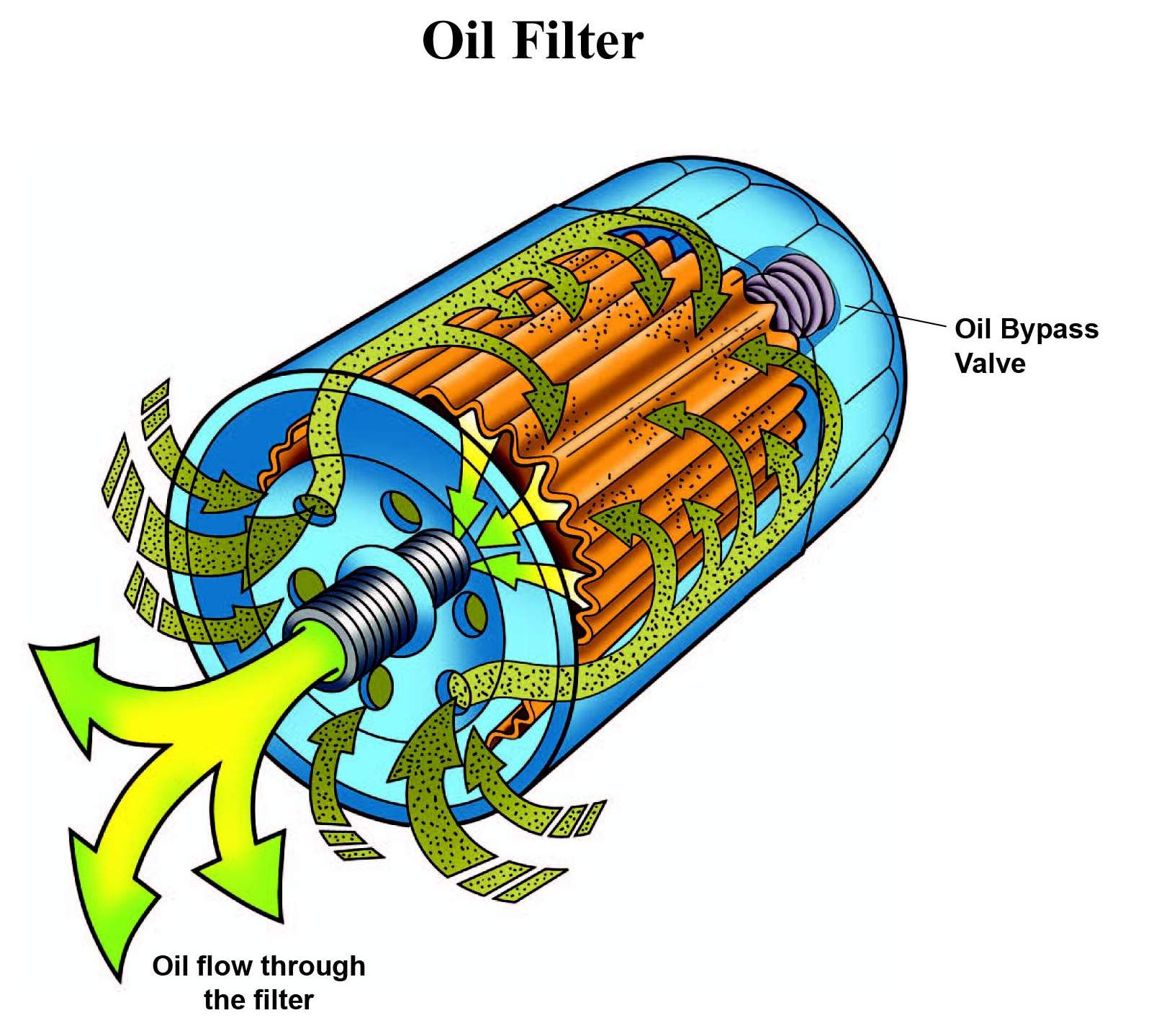
Credit: www.autolexicon.net
Signs Of A Clogged Oil Filter
Signs of a clogged oil filter show up in many ways. The oil filter cleans dirt and particles from the engine oil. When it clogs, oil flow slows down. This causes stress on the engine. Recognizing these signs early helps avoid engine damage and costly repairs.
Engine Performance Issues
A clogged oil filter reduces oil flow to the engine parts. The engine may run rough or lose power. You might hear unusual noises like ticking or knocking. The engine can overheat because oil does not cool it well. Fuel efficiency drops as the engine struggles to work properly.
Warning Indicators
The oil pressure warning light may turn on. This light shows low oil pressure caused by the clogged filter. The check engine light might also come on. Smoke from the exhaust may increase due to poor lubrication. Dark, dirty oil on the dipstick is another sign.
Maintenance And Replacement
Keeping your car oil filter clean is key to engine health. Regular maintenance stops dirt and debris from harming engine parts. Changing the oil filter helps keep oil flowing smoothly. It also improves engine performance and fuel efficiency. Neglecting the oil filter can cause engine damage over time. Understanding how often and which filter to choose is important for every car owner.
Recommended Intervals
Oil filters need changing at regular times. Most car makers suggest changing the filter every oil change. This is usually every 3,000 to 7,500 miles. Driving conditions can change this schedule. Rough roads or extreme temperatures may need more frequent changes. Always check your car’s manual for exact advice.
Choosing The Right Filter
Not all oil filters fit every car. Choose a filter made for your car’s model and engine. Look for quality brands that meet industry standards. A good filter traps dirt well and lasts long. Cheap filters may fail to protect the engine properly. Using the right filter keeps your engine clean and running smoothly.

Credit: paisleyautocare.co.uk
Frequently Asked Questions
What Is The Main Function Of A Car Oil Filter?
A car oil filter removes dirt, metal particles, and contaminants from engine oil. This keeps the oil clean and protects the engine. Clean oil improves engine performance and longevity by reducing wear and tear on moving parts.
How Often Should I Change My Car Oil Filter?
Typically, change your oil filter every 3,000 to 5,000 miles. Always follow your vehicle manufacturer’s recommendations. Regular changes ensure the filter works efficiently and prevents engine damage from dirty oil.
Can A Clogged Oil Filter Damage My Engine?
Yes, a clogged oil filter restricts oil flow and reduces lubrication. This causes increased engine wear and overheating. Replacing the filter on time prevents costly engine repairs and maintains performance.
Does An Oil Filter Improve Fuel Efficiency?
Yes, a clean oil filter helps maintain proper oil flow and engine lubrication. Efficient lubrication reduces engine friction, which can improve fuel efficiency slightly. Neglecting oil filter changes can lower your vehicle’s fuel economy.
Conclusion
Car oil filters keep your engine clean and healthy. They catch dirt and tiny particles before oil moves through the engine. Clean oil means better engine performance and longer life. Changing the oil filter regularly helps avoid damage. It also keeps your car running smoothly.
Understanding oil filters helps you take better care of your vehicle. Simple steps lead to big savings on repairs. Protect your car by paying attention to its oil filter. A small part, but very important.
Recent Posts
Durable Jeep Wrangler American Flag License Plate Frame for Patriotic Drivers
Have you ever felt frustrated by a plain, worn-out license plate frame on your Jeep Wrangler? It’s a small detail, but it can really affect your vehicle’s look.Every time you see that dull...
Slim Design Audi Black License Plate Frame for Sleek Car Styling
Have you ever struggled with a bulky, noisy license plate frame that just doesn’t fit right? It can be so frustrating when your car’s style feels off or the frame rattles every time you...