
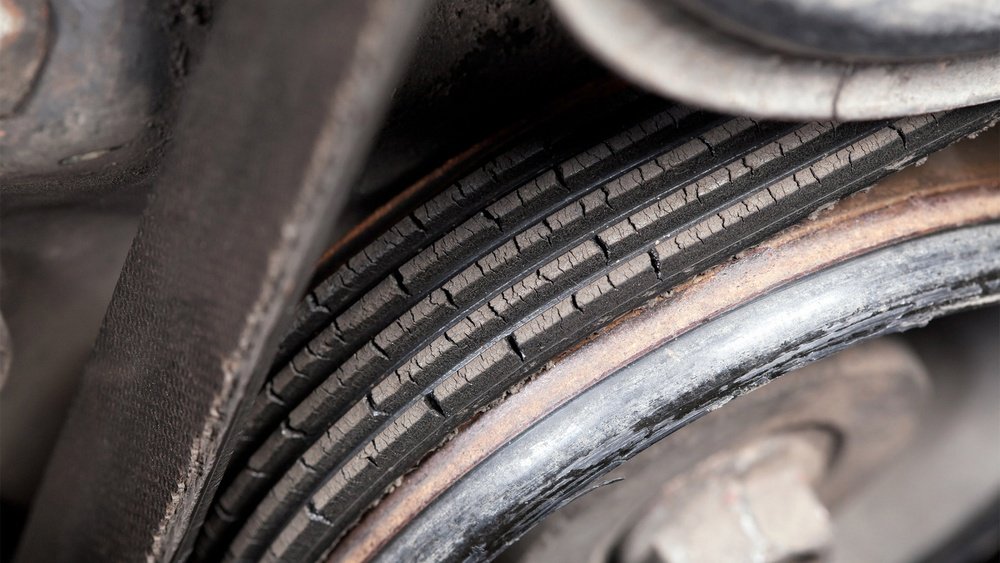
When it comes to keeping your car running smoothly, belts play a crucial role. But have you ever wondered what the difference is between a drive belt and a serpentine belt?
Understanding these two can save you time, money, and stress down the road. In this complete guide, you’ll discover exactly how each belt works, why they matter to your vehicle, and how to spot signs that they need attention. By the end, you’ll feel confident about your car’s belt system and know exactly what to do to keep it in top shape.
Ready to become your own car expert? Let’s dive in!
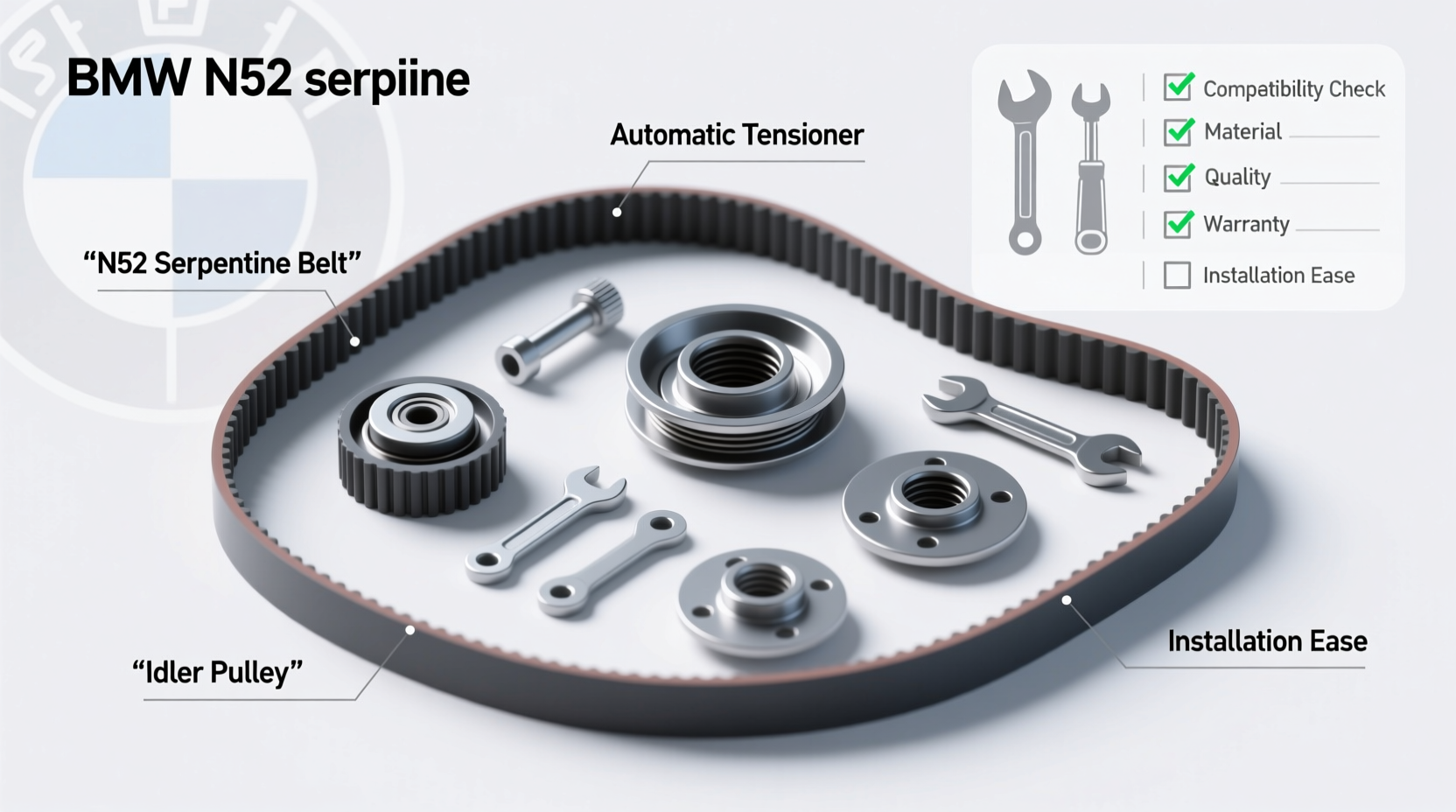
Credit: smartbuy.alibaba.com
Drive Belt Basics
Understanding the basics of drive belts helps you grasp their role in vehicles. Drive belts are essential parts that keep many engine components working smoothly. They transfer power from the engine to different systems. Knowing how they work can help you maintain your car better.
What Is A Drive Belt?
A drive belt is a looped band made of rubber or similar material. It connects the engine’s crankshaft to other parts. This connection helps move parts like the alternator and water pump. The belt turns these parts using the engine’s power. Without the drive belt, many engine functions would stop.
Common Uses In Vehicles
Drive belts power many vehicle components. They move the alternator, which charges the battery. They also drive the water pump, helping cool the engine. Power steering pumps and air conditioning compressors use drive belts too. These belts keep important systems running smoothly while the engine works.
Materials And Design
Drive belts usually consist of rubber mixed with strong fibers. These fibers give the belt strength and flexibility. The design often includes grooves or ribs to prevent slipping. This helps the belt grip pulleys tightly. Good materials and design make drive belts durable and reliable.
Serpentine Belt Basics
The serpentine belt is a key part of many car engines. It drives multiple components with just one belt. This belt makes the engine run smoothly and efficiently. Understanding its basics helps in knowing how your car works.
What Is A Serpentine Belt?
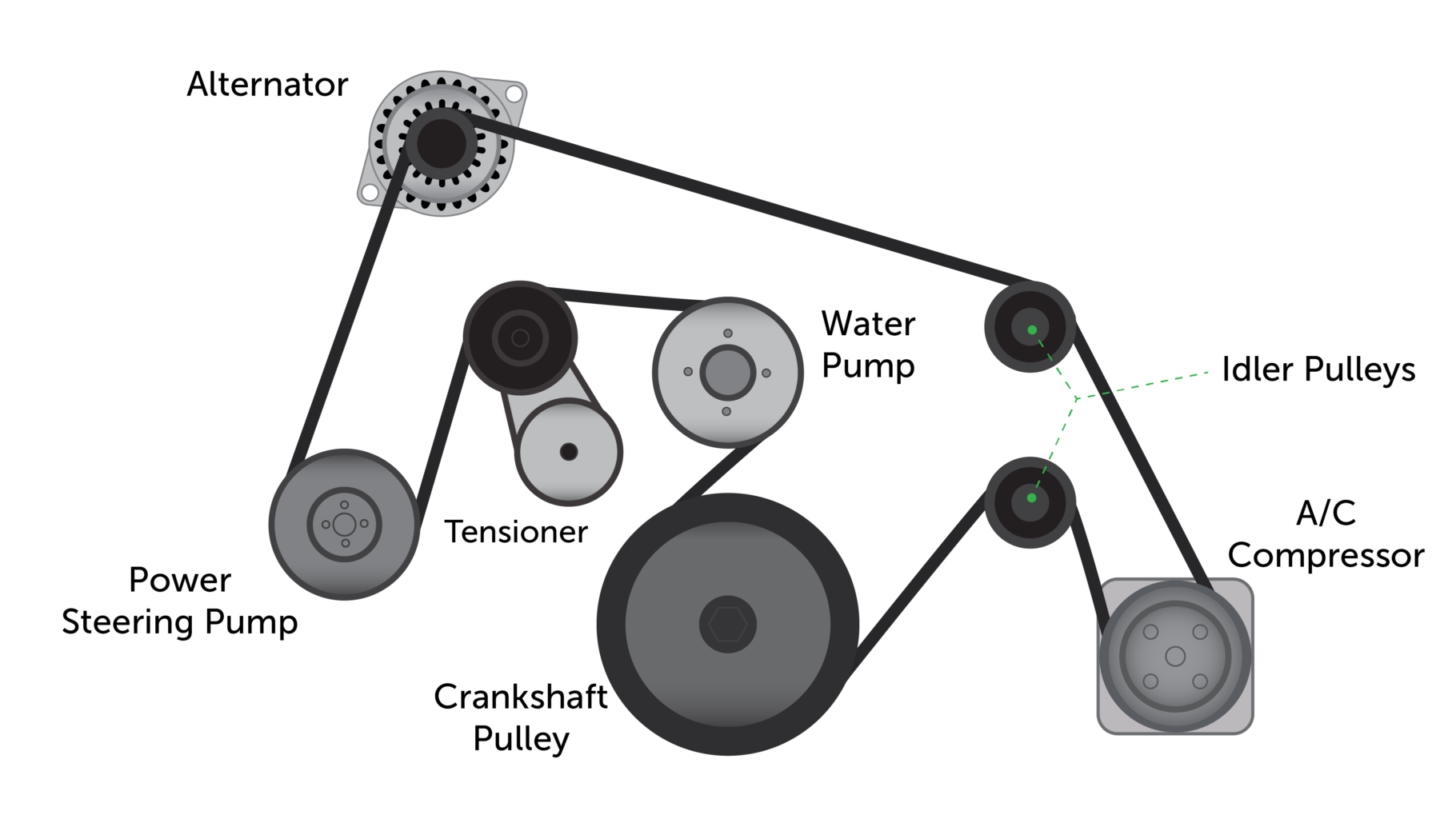
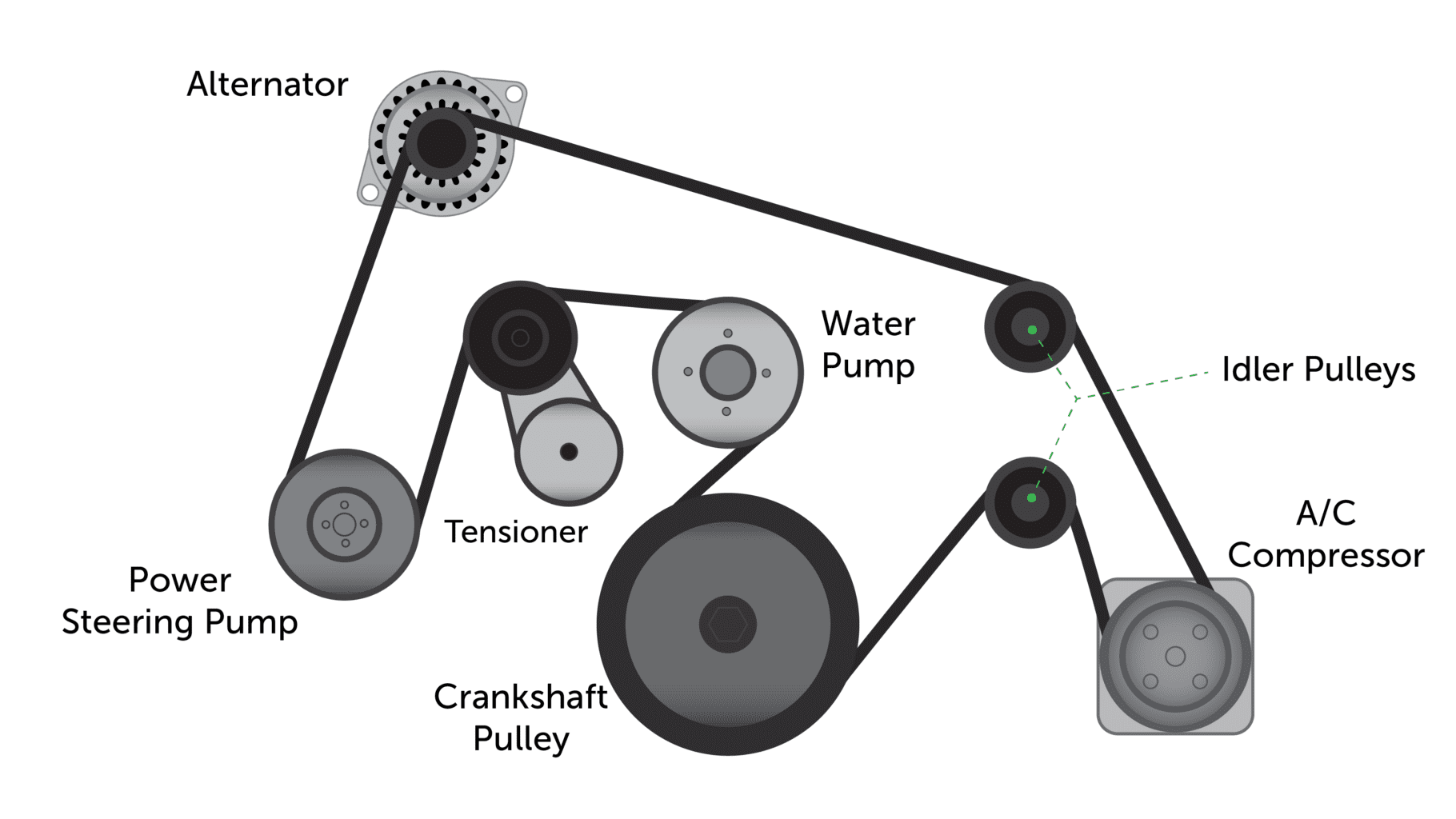
A serpentine belt is a long, winding belt in the engine. It loops around several pulleys. These pulleys connect to parts like the alternator and water pump. The belt transfers power from the engine’s crankshaft to these parts. This keeps many systems running at once.
Typical Applications
Serpentine belts are common in most modern cars. They power the alternator, power steering pump, water pump, and air conditioner. This single belt replaces multiple smaller belts. It simplifies engine design and makes maintenance easier.
Material Composition
Serpentine belts are made from strong rubber compounds. They often include fabric or synthetic fibers. These materials add strength and flexibility. This helps the belt resist heat and wear. The belt lasts longer and stays reliable under tough conditions.
Design Differences
The design differences between drive belts and serpentine belts affect how they work in a vehicle. These belts have unique shapes, layouts, and paths. Understanding these differences helps in choosing the right belt for your car. It also shows how each belt transfers power to engine parts.
Belt Shape And Layout
Drive belts often have a simple flat or V shape. They fit into grooves on engine pulleys. Serpentine belts are wider and ribbed. Their ribs grip multiple pulleys at once. This design helps serpentine belts last longer and work smoothly.
Number Of Belts
Older vehicles use multiple drive belts. Each belt powers one or two engine parts. Newer cars usually have one serpentine belt. This single belt drives many components together. Fewer belts mean less space and easier maintenance.
Routing Paths
Drive belts follow a basic, straight path. They connect two pulleys directly. Serpentine belts take a more complex path. They weave through several pulleys in a loop. This routing allows one belt to control many parts efficiently.
Credit: vatire.com
Performance Comparison
Comparing the performance of drive belts and serpentine belts helps you understand their strengths. Both belts move power in your car’s engine but work differently. This section breaks down how each performs in key areas.
Durability And Lifespan
Drive belts usually last longer because they are thicker and simpler. They handle heat and wear well over time. Serpentine belts wear faster due to their thin, flexible design. They may need replacement every 50,000 to 70,000 miles. Drive belts can sometimes last beyond 100,000 miles with proper care. Regular checks help catch wear early in both types.
Efficiency And Power Transfer
Serpentine belts offer better efficiency. They wrap around multiple pulleys, reducing slippage. This design transfers power smoothly to many engine parts. Drive belts power fewer parts and may slip more under heavy load. Serpentine belts keep the engine running more steadily, saving fuel. This makes them popular in newer cars.
Noise And Vibration
Drive belts can cause more noise and vibration. Their thicker profile and separate belts produce more friction sounds. Serpentine belts run quietly due to their smooth, single belt setup. They also reduce engine vibrations better. Quiet belts improve the driving experience, especially on long trips.
Maintenance And Replacement
Proper maintenance and timely replacement of drive belts and serpentine belts are essential for vehicle health. Both belts play a crucial role in powering engine components. Neglecting their condition can cause breakdowns and costly repairs. Understanding how to spot wear and handle replacement saves time and money.
Signs Of Wear
Check belts regularly for cracks or fraying edges. Look for shiny or glazed surfaces, which show slipping. Listen for squealing noises during engine start or acceleration. Belt looseness or missing chunks also indicate damage. Early detection helps avoid sudden failure on the road.
Replacement Process
Start by disconnecting the battery to prevent accidents. Locate the belt routing diagram before removal. Use a wrench to release tension from the belt tensioner. Carefully remove the old belt and compare sizes with the new one. Install the new belt following the diagram. Double-check belt tension and alignment after installation.
Cost Considerations
Drive belts usually cost less than serpentine belts. Labor costs vary depending on vehicle make and model. Replacing a serpentine belt may require more time and skill. Regular inspection lowers the chance of expensive repairs. Investing in quality belts ensures longer service life and reliability.
Advantages And Disadvantages
Choosing between a drive belt and a serpentine belt means weighing their advantages and disadvantages. Each belt type has unique benefits and some drawbacks. Understanding these points helps in making a better choice for vehicle maintenance.
Drive Belt Pros And Cons
Drive belts are simple and easy to replace. They work well with older car models. These belts are less expensive than serpentine belts. Their design allows for easy repairs on one belt without affecting others.
Drive belts can wear out faster due to friction. They need more frequent adjustments to keep tension right. Multiple belts mean more parts to check and replace. This can increase maintenance time and costs.
Serpentine Belt Pros And Cons
Serpentine belts use one belt to drive many parts. This design saves space under the hood. They are more durable and last longer than drive belts. Less frequent replacements mean less hassle and cost over time.
Serpentine belts require a special tool for replacement. If the belt breaks, many systems may stop working at once. Their complexity can make repairs harder and more expensive. Not all vehicles can use serpentine belts.
Choosing The Right Belt
Choosing the right belt for your vehicle affects its performance and durability. The drive belt and serpentine belt serve similar roles but differ in design and function. Picking the correct one depends on several key factors. Understanding these factors helps you maintain your vehicle better and avoid costly repairs.
Vehicle Type And Engine Compatibility
Different vehicles use different belts. Older cars often have multiple drive belts. Newer models usually use a single serpentine belt. Engine size and layout also matter. Some engines require a specific belt type to fit properly. Always check your vehicle’s manual for belt recommendations. Using the wrong belt can cause poor performance or damage.
Performance Needs
Your driving style affects belt choice. For regular city driving, standard belts work fine. For heavy-duty or high-performance engines, stronger belts are better. Serpentine belts last longer and handle more stress. They reduce belt slippage and noise. Drive belts may need more frequent replacements. Match the belt to how you use your vehicle.
Budget Factors
Cost is important when choosing a belt. Serpentine belts usually cost more upfront. They last longer, saving money on replacements. Drive belts are cheaper but wear out faster. Consider labor costs for installation. Sometimes paying more initially avoids frequent repairs. Balance price with durability for the best value.
Credit: vatire.com
Frequently Asked Questions
What Is The Main Difference Between Drive Belt And Serpentine Belt?
A drive belt powers specific engine accessories separately. A serpentine belt is a single, continuous belt that drives multiple accessories simultaneously. Serpentine belts are more efficient and easier to maintain than multiple drive belts.
How Long Does A Serpentine Belt Usually Last?
Serpentine belts typically last between 60,000 to 100,000 miles. Regular inspection is vital to catch wear and tear early. Replacing a worn serpentine belt prevents engine accessory failures and costly repairs.

Can A Drive Belt Be Replaced With A Serpentine Belt?
No, drive belts and serpentine belts are designed differently. Drive belts power individual components, while serpentine belts drive multiple parts using one belt. Replacing one with the other requires a different engine setup.
What Are The Signs Of A Failing Serpentine Belt?
Common signs include squealing noises, engine overheating, and loss of power steering. Cracks or fraying on the belt surface also indicate failure. Timely replacement ensures continued engine performance and safety.
Conclusion
Both drive belts and serpentine belts play key roles in your vehicle. Each has unique features and uses. Knowing their differences helps with maintenance and repairs. Regular checks keep your car running smooth. Choose the right belt for your engine’s needs.
Stay informed to avoid costly problems later. Simple care extends the life of your belts. Understanding these belts benefits every car owner. Keep your vehicle healthy and on the road.

- ACTIVE INGREDIENT: Amazon Basic Care Children’s Ibuprofen Oral Suspension contains 100 mg per 5 mL of ibuprofen, which i…
- 8-HOUR RELIEF: This NSAID (nonsteroidal anti-inflammatory drug) reduces fever and relieves minor aches and pain for up t…
- MADE FOR CHILDREN: Bubble Gum flavor is a kid-friendly choice for children ages 2 to 11 years

- Healthy oral care habits and routines start early with DenTek Kids Fun Flossers
- Extra-strong scrubbing floss with Wild Fruit flavored fluoride coated floss
- Fun-shaped floss pick easily fits in-between kids’ small teeth

- CONTAINS: One (1) 16.9-fluid-ounce bottle of ACT Kids Anticavity Fluoride Mouthwash, Bubble Gum Blowout
- PREVENTS CAVITIES: This mouthwash is formulated with fluoride to reduce the occurrence of cavities by up to 40% for bett…
- FRESHENS BREATH: ACT swishes away particles brushing may miss and has a delicious bubble gum flavor that encourages kids…

- Nature’s Way Sambucus Elderberry Immune Gummy for Kids, ages 2+, provides immune support with an excellent source of vit…
- Elderberries have naturally-occurring anthocyanins, providing antioxidant support.* Antioxidants help neutralize free ra…
- Children ages 2-3, chew 1 gummy daily. Children ages 4+, chew 2 gummies daily. Gummies are sweet, tart, and kid friendly…
Recent Posts
Durable Jeep Wrangler American Flag License Plate Frame for Patriotic Drivers
Have you ever felt frustrated by a plain, worn-out license plate frame on your Jeep Wrangler? It’s a small detail, but it can really affect your vehicle’s look.Every time you see that dull...
Slim Design Audi Black License Plate Frame for Sleek Car Styling
Have you ever struggled with a bulky, noisy license plate frame that just doesn’t fit right? It can be so frustrating when your car’s style feels off or the frame rattles every time you...