
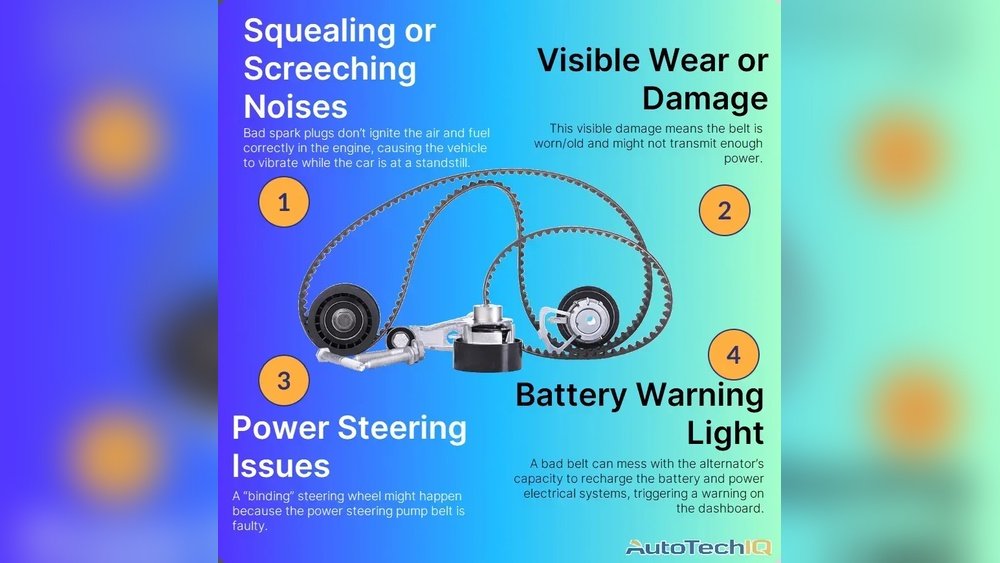
Is your car making strange noises or showing signs of wear? Your drive belt might be the culprit.
Ignoring these warning signs can lead to bigger problems and costly repairs. But don’t worry—you’re in the right place to learn how to spot issues early and fix them before they become serious. This guide will help you understand common drive belt problems, how to identify noise and wear, and what steps you can take to keep your vehicle running smoothly.
Keep reading to protect your car and avoid unexpected breakdowns.

Credit: www.binbroad.com
Common Drive Belt Noises
Drive belts often make noises that signal problems. These sounds warn of wear or damage. Knowing the common noises helps fix issues early. It saves time and money. Quiet belts mean a healthy engine and smooth ride.
Squealing Sounds
Squealing is a high-pitched noise from the belt slipping. It happens if the belt is loose or worn out. Wet belts also squeal. This sound usually occurs when starting the engine or accelerating. Tightening or replacing the belt stops the noise.
Chirping And Squeaking
Chirping or squeaking are short, sharp noises. They often come from misaligned pulleys or a dirty belt. Dust, oil, or debris on the belt causes these sounds. Cleaning the belt and checking alignment can fix the problem. These noises warn of early belt damage.
Grinding Or Rubbing Noises
Grinding or rubbing noises suggest serious belt issues. The belt might be rubbing against a pulley or other parts. This causes friction and wear. Such noises need quick attention. Ignoring them can cause the belt to break and damage the engine.
Credit: www.samarins.com
Signs Of Drive Belt Wear
Drive belts are vital for many machines and vehicles. They transfer power and keep parts working smoothly. Over time, belts wear out and cause problems. Spotting wear early helps avoid bigger damage. Here are common signs of drive belt wear.
Cracks And Fraying
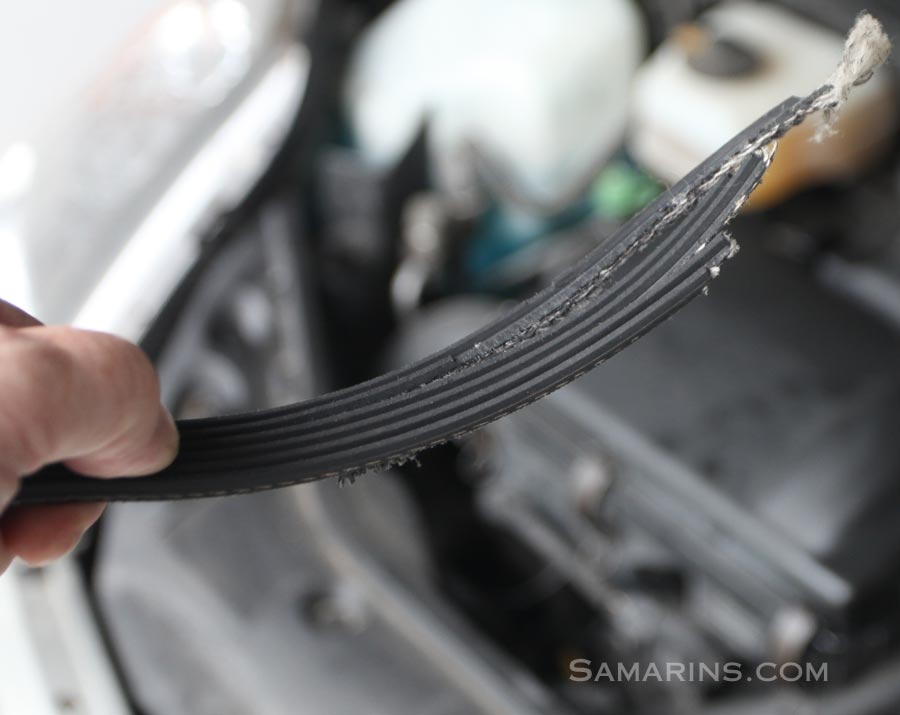
Cracks appear on the belt surface. Tiny splits show the belt is drying out. Fraying happens at the edges. Threads may start to come loose. These signs mean the belt is weakening. Replace it before it breaks.
Glazing And Shiny Surfaces
The belt surface may look shiny or glazed. This happens from slipping or overheating. A glazed belt loses grip on pulleys. Slipping causes noise and poor performance. Check for smooth, glassy patches on the belt.
Stretching And Looseness
Belts stretch over time and lose tension. A loose belt slips and makes noise. It may also cause poor power transfer. Check belt tightness regularly. Tighten or replace belts that feel loose.
Causes Of Drive Belt Problems
Drive belt problems can cause noise, wear, and machine failure. Understanding their causes helps keep your system running smooth. Several key factors lead to drive belt issues. Spotting these early can save time and money on repairs.
Misalignment Issues
Belt misalignment happens when pulleys are not in a straight line. This causes uneven belt wear and noisy operation. Misalignment leads to belt slipping off or fraying edges. It stresses the belt and other components. Proper pulley alignment is essential for belt longevity.
Improper Tension
Too tight or too loose belts cause problems. Over-tight belts wear out faster and strain bearings. Loose belts slip and create noise. Correct tension keeps the belt gripping pulleys well. Regular checks and adjustments maintain proper tension.
Contamination And Debris
Dirt, oil, and dust harm drive belts. Contaminants cause belt material to weaken and crack. Debris can get stuck between belt and pulley. This leads to slipping and unusual sounds. Keeping belts clean prevents premature wear and failure.
Diagnosing Drive Belt Issues
Diagnosing drive belt issues helps keep your vehicle running smoothly. Early detection prevents costly repairs and breakdowns. Knowing how to check your drive belt saves time and money. Simple steps reveal common problems like noise, wear, and tension errors.
Visual Inspection Techniques
Start by looking closely at the belt surface. Check for cracks, frays, or missing chunks. Look for shiny or glazed spots. These signs mean the belt is slipping or worn out. Also, check the belt edges for uneven wear. A damaged belt needs replacement to avoid failure.
Listening For Abnormal Sounds
Listen for squealing or chirping noises while the engine runs. These sounds often come from a loose or worn belt. A high-pitched squeal means the belt slips on the pulleys. Rattling noises could point to a misaligned belt or damaged pulley. Noises signal a need for immediate inspection.
Checking Belt Tension
Proper belt tension is key for good performance. Press the belt with your finger at the longest span. It should move about half an inch with moderate pressure. Too loose or too tight causes problems. Use a tension gauge for precise measurement if possible. Adjust tension to manufacturer specs to ensure smooth operation.
Fixing Drive Belt Noise
Fixing drive belt noise improves your vehicle’s performance and comfort. Noise often signals a problem with the belt or pulley system. Identifying the cause helps prevent further damage. Simple steps like adjusting tension, realigning pulleys, and cleaning parts can stop the noise quickly.
Adjusting Belt Tension
Check the belt tension first. A loose belt slips and makes noise. Tighten the belt to the correct level. Avoid over-tightening, which can damage parts. Use a tension gauge or follow the vehicle manual. Proper tension keeps the belt running smoothly.
Realigning Pulleys
Misaligned pulleys cause belts to rub and squeal. Inspect the pulleys visually for alignment. Adjust them so the belt runs straight and true. Use a straight edge or ruler to check alignment. Correct pulley alignment reduces wear and noise.
Cleaning Belt And Pulleys
Dirt and oil on the belt or pulleys cause slipping and noise. Clean both with a cloth and mild cleaner. Avoid harsh chemicals that damage rubber. Keep the surfaces dry before reinstalling. Clean parts improve grip and reduce noise.
Replacing A Drive Belt
Replacing a drive belt is a key task to keep your vehicle running smoothly. Over time, belts wear out and cause noise or performance issues. Changing the belt yourself saves time and money. The process is simple with the right tools and guidance.
Choosing The Right Replacement Belt
Selecting the correct belt matters. Check your vehicle’s manual for the exact belt type and size. Using the wrong belt can cause damage or slip. Look for belts made with durable materials. Quality belts last longer and reduce noise.
Step-by-step Replacement Guide
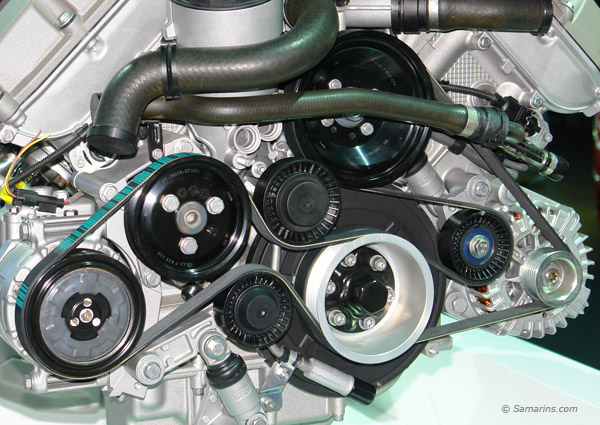
Start by turning off the engine and opening the hood. Locate the drive belt and note its path around pulleys. Use a wrench to release tension on the belt tensioner. Carefully slide the belt off the pulleys. Place the new belt following the original path. Make sure the belt fits snugly on all pulleys. Release the tensioner to tighten the belt. Double-check the belt alignment before closing the hood.
Post-replacement Checks
Start the engine and listen for any strange sounds. Watch the belt to ensure it moves smoothly. Look for signs of slipping or misalignment. Check the belt tension once more after a short drive. Correct tension prevents early wear and noise. Regular checks extend your belt’s life.
Preventive Maintenance Tips
Preventive maintenance is key to keeping drive belts in good condition. It helps avoid unexpected breakdowns and costly repairs. Taking simple steps regularly extends the belt’s life and improves machine performance. This section covers easy tips to protect your drive belts from noise, wear, and other problems.
Regular Inspections
Check the drive belt often for signs of damage. Look for cracks, fraying, or glazing on the belt surface. Listen for unusual noises like squealing or chirping. Tighten or adjust the belt if it feels loose. Replace the belt if you see deep cracks or heavy wear. Regular checks help catch problems early before they worsen.
Proper Belt Storage
Store belts in a cool, dry place away from sunlight. Avoid folding or bending the belt sharply. Keep belts away from chemicals and oils that cause damage. Use hooks or shelves to hang belts loosely. Proper storage prevents belt deformation and material breakdown. This keeps belts ready for use and extends their lifespan.
Environmental Considerations
Protect belts from extreme heat or cold, which can weaken material. Avoid exposure to water or high humidity to stop rust on metal parts. Keep belts clean from dust and debris that cause wear. Use covers or guards if belts run in harsh environments. A clean, stable environment helps belts run smoothly and last longer.
Credit: www.forummagazine.org

- Nutrient-Rich Superfood: 🌱 Packed with essential nutrients, chia seeds are a rich source of fiber, protein, omega-3 fatt…
- Supports Digestive Health: 🌾 The high fiber content aids in digestive health, maintaining regular bowel movements and im…
- Plant-Based Protein Source: 💪 An excellent source of plant-based protein, ideal for vegetarians and vegans, helping to m…
Frequently Asked Questions
What Causes Drive Belt Noise In Vehicles?
Drive belt noise often results from misalignment, wear, or insufficient tension. Dirt and debris can also cause squealing sounds. Regular inspection helps identify early issues, ensuring smooth operation and preventing damage to other engine components.
How To Identify Worn Drive Belts Quickly?
Look for cracks, fraying, or glazing on the belt surface. Worn belts may slip or produce unusual noises. Regular visual checks and listening for squeaks help detect wear before causing serious problems.
What Are Common Drive Belt Problems And Solutions?
Common issues include slipping, cracking, and squealing. Solutions involve adjusting tension, cleaning pulleys, or replacing the belt. Timely maintenance prevents breakdowns and extends belt life, ensuring reliable vehicle performance.
How Often Should Drive Belts Be Replaced?
Most manufacturers recommend replacing drive belts every 60,000 to 100,000 miles. However, inspect belts regularly for damage or wear. Early replacement avoids unexpected failures and costly repairs.
Conclusion
Drive belt problems often cause noise and wear in vehicles. Early checks help spot issues before they get worse. Listen for squealing or chirping sounds while driving. Check belts for cracks, fraying, or looseness regularly. Tighten or replace belts to keep your engine running smoothly.
Simple maintenance saves time and costly repairs later. Stay alert to signs and act quickly for best results. Proper care extends belt life and ensures safe driving. Keep your vehicle healthy with regular drive belt checks.
- The Best Value Upgrade Headlights: Super bright ,9500lm/6500lm high/low beam;Best beam pattern on the market: Uniform Li…
- Perfect Beam Pattern: The best “Z-shaped” cut-off line, better than any other LED headlights; Super bright and uniform l…
- Stable Illuminance: HWSTAR h6054 LED headlight uses the newest high-quality chips; Unique anti-aging circuit and more ef…
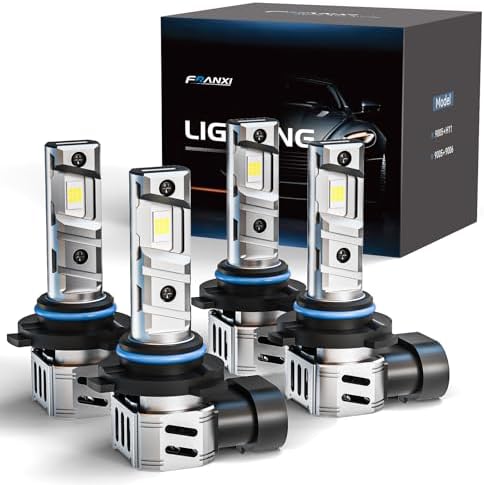
- Easy Installation: 1:1 design, no external driver or connector required, plug and play
- Ultra-High Brightness: FRANXI each bulb provides 60W, 6000K cool white light, making your night driving vision clearer a…
- Built to Last Product: 9005 9006 bulbs are made of top quality aviation aluminum material, which can effectively distrib…

- High-Visibility Lighting for All Conditions: This LED bike light delivers a clear 350-lumen beam designed to enhance vis…
- Extended Runtime with 4000mAh Power Cell: Equipped with a long-lasting lithium battery, the light provides hours of cont…
- USB-C Rechargeable with Dual-Head Cable: Recharge the device quickly through its Type-C interface. The included dual-out…
- Easy Installation: 1:1 design, no external driver or connector required, plug and play
- Ultra-High Brightness: FRANXI each 9005+H11 bulb adopts 18CSP chip, each bulb provides 60W, 16000LM brightness, 6000K co…
- Built to Last Product: 9005+H11 bulbs are made of top quality aviation aluminum material, with 12000RPM high-speed cooli…

- Fitment- The side marker lights replacement for Toyota Tacoma 2001-2004
- Part Number- Replacement for 8161004070 8162004070
- Higher Visibility- The turn signal parking marker lights can make your turn signal more eye-catching, have higher visibi…
Recent Posts
Durable Jeep Wrangler American Flag License Plate Frame for Patriotic Drivers
Have you ever felt frustrated by a plain, worn-out license plate frame on your Jeep Wrangler? It’s a small detail, but it can really affect your vehicle’s look.Every time you see that dull...
Slim Design Audi Black License Plate Frame for Sleek Car Styling
Have you ever struggled with a bulky, noisy license plate frame that just doesn’t fit right? It can be so frustrating when your car’s style feels off or the frame rattles every time you...