
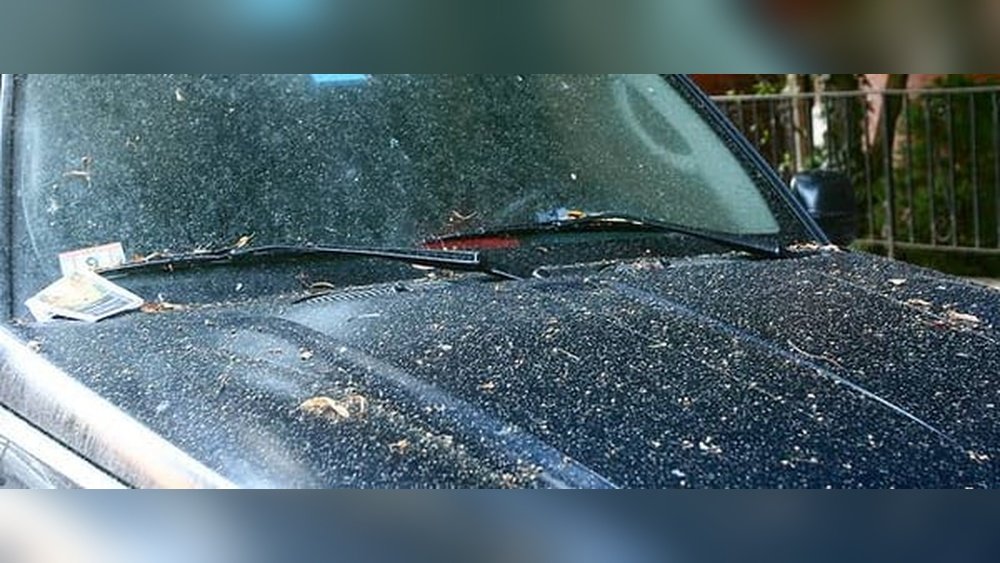
Have you ever found sticky spots on your car’s paint and wondered if that tree sap could cause real damage? You’re not alone.
Tree sap looks harmless, but it can be a hidden enemy to your car’s shiny finish. If you care about keeping your vehicle looking great, you need to know what sap can do and how to protect your paint. Keep reading to discover the truth about tree sap and your car’s paint, so you can avoid costly repairs and keep your ride spotless.

Credit: auto-glanz.co.uk
How Tree Sap Affects Car Paint
Tree sap can cause serious damage to car paint. It sticks firmly and is hard to remove. Over time, sap can eat into the paint and leave permanent marks. Understanding how sap affects car paint helps you protect your vehicle better.
The damage depends on the sap’s makeup and how long it stays on the surface. Some types of sap are more harmful than others. The paint’s condition also plays a role in how much damage occurs.
Chemical Composition Of Tree Sap
Tree sap is a sticky liquid made of sugars, resins, and acids. These natural chemicals help trees heal cuts and protect against bugs. The resin in sap is thick and sticky, which makes it hard to clean off surfaces.
Some saps contain acids that can break down paint layers. The sugar content attracts dirt and dust. Over time, this mix can cause stains and rough spots on car paint.
Reaction With Car Paint Surfaces
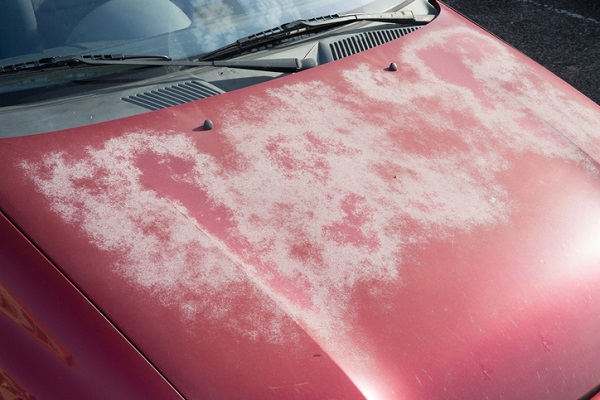
Car paint has several layers, including a clear coat that protects the color. When sap sits on the paint, the acids and resins start to react with this clear coat. This reaction can soften and damage the protective layer.
Heat from the sun makes sap stickier and increases its damage. The longer sap stays on the paint, the deeper it can penetrate. This can lead to discoloration, dullness, and even permanent stains.
Credit: www.autotrainingcentre.com
Signs Of Tree Sap Damage On Cars
Tree sap can cause noticeable damage to your car’s paint. Early signs help you catch problems before they worsen. Check your car regularly, especially after parking near trees. Spotting sap damage early keeps your paint looking fresh and new.
Visible Marks And Stains
Tree sap often appears as sticky, shiny spots on the paint. These marks may look like small drops or smears. Over time, the sap hardens and becomes difficult to remove. The sap can trap dirt, making stains darker and more obvious. These visible marks are the first clue of damage.
Long-term Paint Deterioration
Prolonged sap exposure can harm the paint’s surface deeply. Sap contains acids that slowly eat away the clear coat. This causes dullness and rough texture on the paint. Cracks or discoloration may develop if sap stays too long. Long-term damage reduces your car’s shine and value.
Immediate Steps To Take When Sap Hits Your Car
Tree sap can stick to your car’s paint and cause damage if left too long. Acting quickly helps protect your vehicle’s finish. The longer sap stays, the harder it is to remove. Follow simple steps to clean sap safely and avoid paint problems.
Safe Removal Techniques
Start by softening the sap. Use warm water and a soft cloth to dampen the area. Let it sit for a few minutes. This loosens the sap without harming the paint.
Gently rub the sap with a microfiber cloth. Avoid hard scrubbing to protect the paint. If sap remains, try a gentle solvent like rubbing alcohol. Dab it lightly and wipe off carefully. Always test solvents on a small, hidden spot first.
Products That Work Best
Use products designed for sap removal. Bug and tar removers often work well. They break down sap without damaging paint. Look for those safe for automotive finishes.
Car wash soap and clay bars also help remove sap residues. These products clean the surface and restore shine. Avoid harsh chemicals or abrasive tools that can scratch your paint.


Preventing Tree Sap From Harming Your Vehicle
Tree sap can damage car paint if left untreated. It sticks tightly and may cause stains or discoloration. Preventing sap from harming your vehicle saves time and money. Simple steps can protect your car’s finish and keep it looking new.
Parking Strategies
Choose parking spots away from trees that drip sap. Avoid parking under pine, oak, or maple trees. Use covered parking or garages whenever possible. Move your car regularly to prevent sap buildup. Check your car for sap spots after parking outdoors.
Protective Coatings And Waxes
Apply a good quality wax or sealant to your car’s paint. These products create a barrier against sap and dirt. Reapply wax every few months for best protection. Ceramic coatings offer longer-lasting protection but can cost more. Regular waxing keeps your paint smooth and easier to clean.
Professional Treatments For Severe Sap Damage
Severe tree sap damage needs more than just home remedies. Professional treatments can restore your car’s paint effectively. Experts use special tools and products to clean and repair the surface. These treatments help remove stubborn sap and fix any damage caused.
Detailing Services
Detailing services include deep cleaning and paint protection. Professionals use safe solvents to dissolve sap without harming paint. They clean the car thoroughly, removing all dirt and residues. After cleaning, they apply a protective layer to guard against future sap damage. This process restores shine and smoothness to the car’s surface.
Paint Correction Options
Paint correction fixes scratches and stains left by sap. Experts use polishing techniques to remove surface imperfections. They carefully smooth out the paint, making it look new again. For severe damage, they may use compounding methods to restore the finish. This step improves the car’s appearance and protects it from rust and fading.

Credit: surreydetailing.co.uk
Frequently Asked Questions
Does Tree Sap Damage Car Paint Permanently?
Tree sap can damage car paint if left untreated. It hardens and becomes acidic, which may etch the clear coat. Prompt removal prevents permanent damage and keeps your paint intact.
How To Remove Tree Sap Without Harming Car Paint?
Use a gentle cleaner or rubbing alcohol on a microfiber cloth. Apply lightly and wipe off sap carefully. Always rinse and wax the area afterward to protect the paint.
Can Tree Sap Cause Rust On Cars?
Tree sap itself does not cause rust, but it traps moisture against the paint. This moisture can promote rusting if paint is already chipped or scratched.
Is Professional Cleaning Needed For Sap Removal?
Professional cleaning is helpful for stubborn sap stains. They use specialized products and tools to safely remove sap without damaging paint. For minor spots, DIY methods often work well.
Conclusion
Tree sap can damage car paint if left too long. Acting fast helps protect your vehicle’s finish. Use gentle cleaning methods to remove sap safely. Regular washing keeps your car looking its best. Avoid harsh chemicals that might harm the paint.
Small care steps prevent costly repairs later. A clean car always looks newer and brighter. Keep an eye on sap spots after parking near trees. Taking simple actions saves time and money in the end.


Recent Posts
Strong Ram 1500 Heavy Duty License Plate Frame for Ultimate Durability
There’s nothing more frustrating than struggling with a flimsy license plate frame that bends, rusts, or just doesn’t fit right on your Ram 1500. You want something strong and reliable that...
Rust Resistant Jeep Matte Black License Plate Frame for Ultimate Durability
Have you ever dealt with a rusty, noisy license plate frame that just won’t stay in place? It’s frustrating when a simple part of your car causes constant worry.Rust can spread, screws can...