
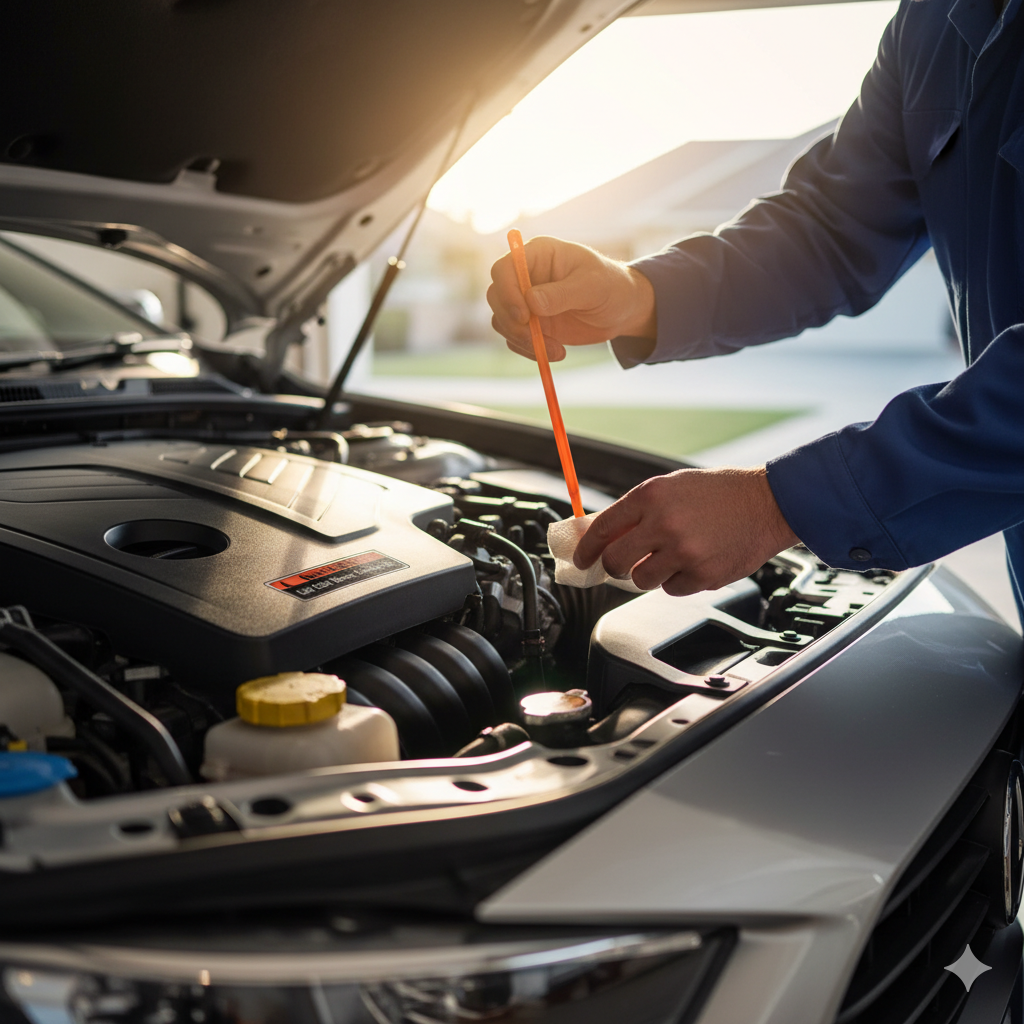
Have you ever wondered if you should check your car’s oil while the engine is running? It’s a simple question, but the answer can save you from costly repairs or engine trouble down the road.
Knowing the right way to check your oil helps you keep your car healthy and running smoothly. Keep reading, and you’ll discover the easy steps you need to follow to protect your engine and avoid common mistakes. Don’t let a small oversight turn into a big problem—your car deserves the best care, and you deserve peace of mind.
When To Check Engine Oil
Knowing the right time to check your engine oil is important. Checking oil at the wrong time can give wrong results. This section explains when to check engine oil for the best reading. It helps keep your car running well.
Cold Engine Vs Warm Engine
Check oil after the engine is off for some time. A cold engine means the car has not run for a few hours. Oil settles when the engine is cold, showing a true level.
Warm engine means the car has been running recently. Oil spreads inside the engine parts and may give a false low reading. Checking oil while the engine runs is not safe or accurate.
Recommended Times For Checking Oil
Check oil in the morning before starting the car. This time gives the most accurate oil level. Park the car on a flat surface. Pull the dipstick, wipe it clean, reinsert, then pull it out again to check.
Also, check oil before a long trip. Check at least once a month for regular maintenance. Frequent checks help avoid engine problems caused by low oil.
Risks Of Checking Oil With Engine On
Checking your car’s oil while the engine is running can cause serious problems. This practice may seem quick and easy. It feels like a good way to get an immediate reading. Still, it poses safety risks and can harm your engine. Understanding these risks helps you protect yourself and your vehicle.
Potential For Injury
The engine parts move fast and get very hot. Touching the dipstick or engine near moving parts can cause burns or cuts. Hot oil may splash out and burn your skin. The fan blades spin quickly and can cause injury. Checking oil while the engine runs is unsafe for your hands and arms.
Damage To Engine Components
Checking oil with the engine on can expose the dipstick tube to pressure. This pressure can cause oil leaks or damage seals. The oil level reading may be inaccurate due to oil circulation. Engine parts rely on proper oil levels to work well. Incorrect checks can lead to overfilling or low oil, damaging the engine.
How To Check Oil Safely
Checking your car’s oil is important to keep the engine healthy. Doing it safely protects you and gives accurate results. Follow these steps to check oil without risk.
Steps To Prepare Your Vehicle
Park your car on a flat surface. Turn off the engine and wait a few minutes. This lets the oil settle in the pan. Open the hood carefully and find the dipstick. Make sure the engine is cool enough to avoid burns.
Proper Use Of The Dipstick
Pull the dipstick out slowly. Wipe it clean with a cloth or paper towel. Insert it fully back into the tube. Pull it out again to check the oil level. Read the marks on the stick. The oil should be between the low and high marks. Avoid checking oil while the engine runs. It can cause wrong readings and injury.
Signs Of Low Or Dirty Oil
Oil is essential for your car’s engine. It keeps parts moving smoothly and stops damage. Low or dirty oil can cause serious engine problems. Knowing the signs helps you act fast and protect your car.
Check your oil regularly. Watch for changes in level and quality. These signs tell you if the oil needs attention.
Oil Level Indicators
Check the oil dipstick to see the level. Low oil shows on the stick below the safe mark. Your engine may make knocking or ticking sounds. These noises mean parts do not get enough oil. Your car’s oil warning light may turn on. This light signals low oil pressure. Sometimes, the engine may run rough or stall. These are signs of low oil. Add oil as soon as possible to avoid damage.
Oil Quality And Color
Clean oil is usually amber or light brown. Dark or black oil means it is dirty. Dirty oil loses its ability to protect the engine. It can feel thick or gritty. Old oil may smell burnt. This shows the oil is breaking down. Thick, dirty oil can clog engine parts. Change the oil and filter regularly to keep the engine healthy.
Maintaining Optimal Oil Levels
Maintaining optimal oil levels is vital for a car’s health. Oil keeps the engine parts moving smoothly. It stops them from getting too hot and wearing out fast. Checking and managing oil properly helps your car run longer and better.
Regular Oil Change Intervals
Changing oil regularly keeps the engine clean. Old oil can get dirty and thick. This makes it hard for the engine to work well. Most cars need an oil change every 3,000 to 5,000 miles. Follow the car manual for exact advice. Regular changes protect your engine from damage.
Choosing The Right Oil
Using the right oil is as important as changing it often. Different cars need different oil types. Check your owner’s manual for the correct grade and type. Using wrong oil can cause poor engine performance. It may also increase wear and reduce fuel efficiency.
Common Myths About Oil Checking
Many drivers have wrong ideas about checking engine oil. These myths can lead to mistakes. Knowing the truth helps keep your car healthy and saves money. This section clears up common myths about oil checking.
Running Engine Myths
Some believe you should check oil with the engine running. This is false. Checking oil while the engine runs gives wrong readings. Oil moves around inside the engine. The dipstick won’t show the true oil level.
Always turn off the engine and wait a few minutes. This lets oil settle in the pan. Then, the dipstick shows the right oil level. Checking oil with a running engine can cause confusion and mistakes.
Dipstick Misinterpretations
The dipstick is simple but often misunderstood. Some think any oil on the stick means the level is good. Not true. You must check where the oil line stops between the marks. The dipstick has two marks: minimum and maximum.
Oil should be between these marks. Too low means add oil. Too high can harm the engine. Also, dirty dipsticks can hide the real oil level. Wipe the stick clean before checking. This avoids wrong readings.
Frequently Asked Questions
Can You Check Oil While The Car Engine Runs?
No, you should never check oil with the engine running. It can give inaccurate readings and be unsafe.
Why Should Oil Be Checked When The Engine Is Off?
Checking oil when the engine is off ensures an accurate level reading. Oil settles in the pan without movement.
How Often Should You Check Your Car’s Oil Level?
Check your oil level at least once a month. Regular checks prevent engine damage and maintain performance.
What Happens If Oil Is Checked When The Engine Is Hot?
Hot engine oil can cause burns and inaccurate readings. Always wait for the engine to cool before checking.
Conclusion
Checking oil while the car runs can give wrong results. Always turn off the engine first. Wait a few minutes to let oil settle. Then, pull out the dipstick and check the level. This helps keep your engine healthy and working well.
Regular oil checks avoid costly repairs later. Take time to do it right. Your car will thank you with longer life and better performance. Simple steps make a big difference in car care.
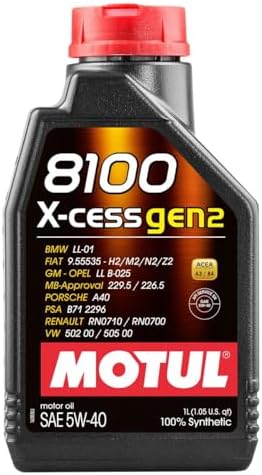
- Product Type :Auto Accessory
- Package Dimensions :6.4Cm L X11.6Cm W X20.8Cm H
- Country Of Origin :France

- Mobil 1 High Mileage full-synthetic motor oil 0W-20 is designed for engines with over 75,000 miles to go up to 10,000 mi…
- Utilizes Mobil 1’s signature Triple Action Formula to deliver outstanding engine performance, protection, and cleanlines…
- Meets ILSAC GF-6 standards to help provide low-speed pre-ignition (LSPI) and timing chain wear protection while keeping …
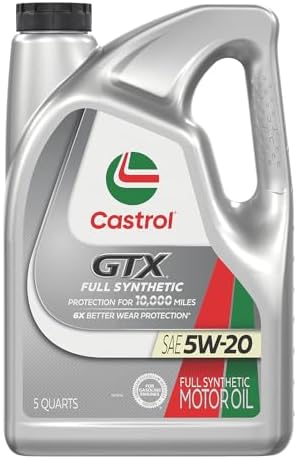
- 6X better wear protection on critical engine parts than industry standards**
- 1.3X better sludge protection than industry standards*
- 3X Stronger against viscosity breakdown than leading full synthetic^
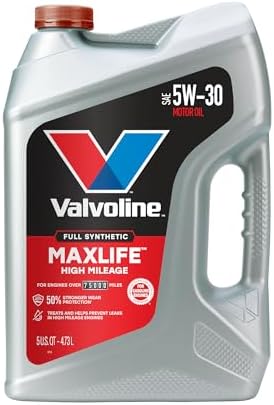
- Designed for vehicles with 75,000 miles or more, Valvoline MaxLife Full Synthetic High Mileage Motor Oil helps maximize …
- Formulated with seal conditioners to help prevent oil leaks, reduce oil consumption, and improve fuel economy
- Delivers 50% stronger wear protection than industry standards for superior defense against friction and wear

- Mobil 1 Turbo Diesel Truck Is Designed For Modern Diesel Truck Engines, Delivering Long Drain Capability, Exceptional Pe…
- Meets Or Exceeds The Demanding Specifications Of Major Truck Manufacturers – One Engine Oil Can Be Used For Mixed Fleet …
- Recommended For Use In All Super High-Performance Diesel Applications, Including Low Emission Engines
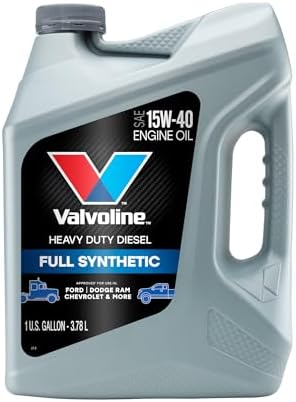
- Full synthetic formula is proven to maximize diesel engine life
- 35% reduction in valve train wear vs. industry standards as tested in Cummins ISB engine test
- Engineered to control wear, deposits and oil breakdown while meeting low emission requirements
Recent Posts
Ready to say goodbye to your old car without the headache? Our guide breaks down the best and most effortless solutions to get it done.
Don't get left out in the cold by a frozen car door. Learn our best-kept secrets to safely get it open in seconds, without causing any damage.