
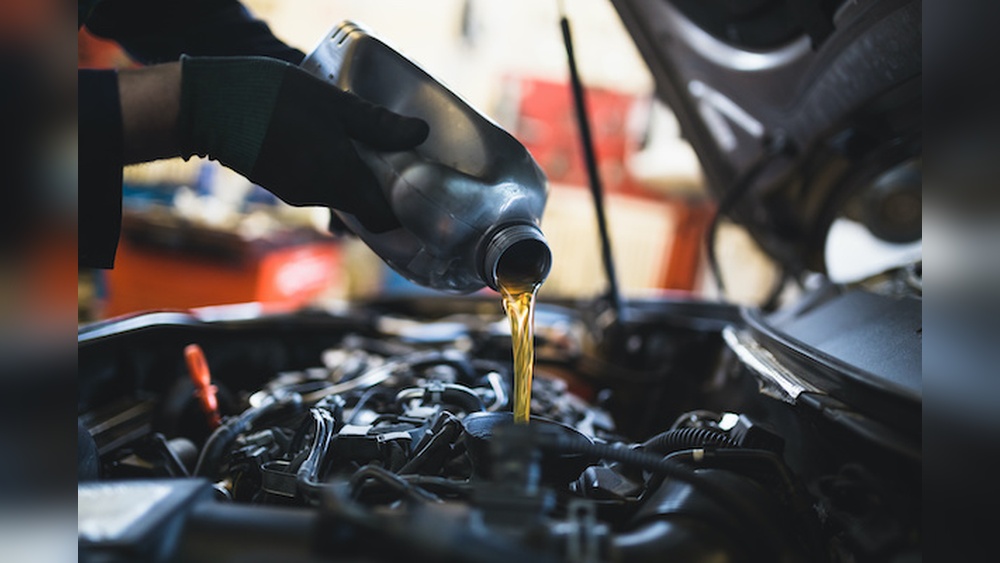
Have you ever wondered if the oil in your car can actually go bad? You rely on your vehicle every day, and keeping it in top shape is important.
But what if the oil inside your engine loses its effectiveness over time? Knowing the answer can save you from costly repairs and keep your car running smoothly. You’ll discover the truth about car oil’s shelf life, how to tell if it’s gone off, and what you should do to protect your engine.
Keep reading—your car will thank you.
Shelf Life Of Car Oil
Car oil does have a shelf life. It does not last forever on the shelf or in your car. Knowing how long oil stays good helps protect your engine. Old oil can lose its quality and fail to protect parts.
Oil’s shelf life depends on many things. Proper storage and the type of oil matter a lot. Let’s explore what affects oil’s lifespan and how different oils last.
Factors Affecting Oil Longevity
Storage conditions play a big role in oil’s shelf life. Keep oil in a cool, dry place away from sunlight. Heat and moisture cause oil to break down faster.
Sealed containers keep oil fresh longer. Once opened, air exposure starts the aging process. Contamination from dirt or water also harms oil quality.
Check the oil’s label for expiration dates. Most oils last 2 to 5 years unopened. After opening, use oil within 1 year for best results.
Types Of Car Oil And Their Durability
Conventional oil has the shortest shelf life. It usually lasts about 3 to 5 years unopened. It breaks down faster once exposed to air.
Synthetic oil lasts longer. It can stay good for up to 7 years if sealed. Synthetic oils resist oxidation and stay stable over time.
Semi-synthetic oil falls between conventional and synthetic. Its shelf life is usually around 5 years unopened. It offers better durability than conventional oil.
Choosing the right oil type helps you get the best protection. Store it well and check dates before use. Old oil can harm your engine more than help.
Signs Of Oil Degradation
Car oil does not last forever. Over time, it breaks down and loses its power to protect your engine. Knowing the signs of oil degradation helps you keep your car running smoothly. Watch for changes in color, consistency, and smell. These hints show when the oil needs a change or checkup.
Changes In Color And Consistency
Fresh oil is usually clear or light amber. As it ages, it turns darker and thicker. Dark, dirty oil means it has trapped dirt and particles. Thick or gritty oil does not flow well inside the engine. This leads to poor lubrication and engine wear.
Unusual Odors And Contaminants
Good oil has a mild, oily smell. A strong, burnt, or sour odor is a bad sign. It means the oil is breaking down or overheating. Watch for bits of metal, dirt, or sludge in the oil. These contaminants can damage the engine parts. Clean oil keeps the engine safe and running well.
Impact Of Expired Oil On Engine
Engine oil plays a vital role in keeping your car running smoothly. Over time, oil can expire and lose its quality. Expired oil can harm your engine in several ways. It stops working as it should, leading to bigger problems.
Old oil changes its texture and chemical makeup. It can no longer protect engine parts properly. This causes friction and heat, which damage the engine. Understanding these effects helps you keep your car healthy.
Reduced Lubrication Efficiency
Expired oil loses its ability to lubricate engine parts well. It becomes thick and dirty. This thick oil can’t flow easily between moving parts. Without good lubrication, parts rub together and wear out fast.
Good lubrication lowers friction and heat. Without it, engine parts grind and suffer damage. This reduces the engine’s life and performance.
Increased Engine Wear And Tear
Old oil no longer protects the engine from wear. Dirt and debris build up in the oil. These particles scratch and wear engine parts. Over time, this causes engine noise and power loss.
Engine parts may break down sooner due to poor oil quality. Repairs become more frequent and expensive. Fresh oil helps the engine last longer and run better.

Credit: www.youtube.com
Storage Tips To Prolong Oil Life
Proper storage helps keep car oil fresh and effective. Good storage stops oil from breaking down early. It also keeps dirt and water out, which can harm the oil. Follow simple steps to extend oil life and protect your engine.
Ideal Storage Conditions
Store oil in a cool, dry place. Avoid places with high heat or direct sunlight. Keep the container tightly closed to stop air from entering. Store oil away from chemicals that can cause damage. A stable temperature helps keep oil stable for longer.
Avoiding Contamination
Always use clean tools when handling oil. Dirt or water can spoil the oil quickly. Avoid opening the container more than needed. Keep the container off the ground to prevent dust and moisture. Clean spills immediately to keep the area safe and clean.
When To Replace Car Oil
Knowing when to replace car oil is important for your vehicle’s health. Oil keeps the engine clean and running smoothly. Over time, oil breaks down and loses its ability to protect the engine. Changing oil at the right time prevents damage and costly repairs.
Watch for signs of old oil. Dark, thick, or gritty oil needs changing. Fresh oil is usually amber and clear. Follow your car’s needs to keep it in good shape.
Recommended Oil Change Intervals
Most cars need an oil change every 3,000 to 7,500 miles. Check your owner’s manual for exact numbers. Newer cars may last longer between changes. Driving conditions like city traffic or hot weather can shorten oil life.
Regular oil changes keep the engine parts lubricated. This reduces wear and tear. Sticking to recommended intervals avoids problems and keeps your car running well.
Checking Oil Quality Before Use
Before adding oil, check its quality. Look at the color and texture. Good oil should be clear and smooth. Old oil can look dark and thick.
Smell the oil. Bad oil may have a burnt or sour odor. Avoid using oil that smells off. Using poor-quality oil can harm your engine.

Credit: www.camclarkfordrichmond.com

Credit: store.advancedenginetech.com
Frequently Asked Questions
Can Car Oil Expire Or Go Bad Over Time?
Yes, car oil can expire due to oxidation and contamination. Expired oil loses its lubricating properties, risking engine damage. Always check the oil’s manufacture date and storage conditions to ensure it’s still effective before use.
How Long Does Unused Car Oil Last?
Unused car oil typically lasts 2-5 years if stored properly. Keep it sealed, away from extreme temperatures and moisture to maintain its quality and effectiveness for longer periods.
What Happens If You Use Expired Car Oil?
Using expired car oil can cause poor lubrication and increased engine wear. It may lead to sludge buildup, reduced engine efficiency, and potential costly repairs if not changed promptly.
How To Tell If Car Oil Has Gone Bad?
Car oil that’s gone bad often looks thick, dark, or gritty. It may emit a burnt smell or contain visible debris. Regular oil checks help detect degradation before it harms the engine.
Conclusion
Car oil can go off if stored too long or in poor conditions. Old oil loses its ability to protect your engine well. Check the oil’s color and smell before use. Change oil regularly to keep your car running smoothly.
Proper storage helps keep oil fresh longer. Don’t ignore oil quality to avoid engine problems. Good oil care saves money and extends your car’s life. Keep an eye on oil condition for a healthy engine. Simple steps make a big difference.
Recent Posts
Car Fridge Power Cable: Essential Guide to Reliable Cooling on the Go
Have you ever been on a long road trip, only to find your car fridge powerless because the cable didn’t fit or broke? It’s frustrating when your cold drinks or snacks spoil just because of a...
Best Tesla Model 3 License Plate Frame No Drill Install for Easy Setup
Have you ever tried to install a front license plate on your Tesla Model 3, only to realize you need to drill holes? It’s frustrating and nerve-wracking.You worry about damaging your car’s...