
Have you ever wondered if the oil used in your car could harm your health? You might be surprised to learn that something as common as car oil could carry risks you haven’t thought about before.
If you handle oil regularly or come into contact with it, you need to know the facts. Could car oil really cause cancer? Keep reading, because understanding this could protect you and your loved ones from hidden dangers you didn’t even know existed.
Car Oil Components
Car oil plays a vital role in keeping engines running smoothly. It reduces friction and prevents wear. Understanding what car oil contains helps us know its risks. Some components may affect health if handled carelessly.
Car oil is not just one substance. It is a mix of several chemicals and additives. Each part has a specific purpose for engine protection and performance.
Types Of Car Oil
There are three main types of car oil. Mineral oil is made from crude oil and is the most basic. Synthetic oil is made in labs and offers better performance. Semi-synthetic oil combines both types to balance cost and quality.
Each type has different properties and chemical contents. The choice depends on the vehicle and driving conditions.
Chemical Makeup
Car oil contains base oils and many additives. Base oils are mostly hydrocarbons from crude oil or synthetic sources. Additives improve oil stability, reduce wear, and prevent rust.
Common additives include detergents, dispersants, anti-wear agents, and antioxidants. Some additives contain chemicals linked to health risks. Prolonged skin contact with used oil may cause skin irritation or more serious effects.
Exposure Risks
Exposure to car oil can pose health risks. Some chemicals in used oil may harm the body. People should know how contact happens and what risks exist. This helps reduce chances of illness.
Car oil contains harmful substances. Prolonged or repeated exposure can increase health problems. Cancer risk is a concern with some oil components.
How People Encounter Car Oil
People often touch car oil during vehicle repairs. Mechanics and DIYers handle oil for changing or checking it. Skin contact is common without gloves. Oil splashes and spills happen too.
Used oil is more dangerous than new oil. It contains metals and chemicals from the engine. Breathing in oil fumes is another exposure way. This occurs in garages or workshops with poor air flow.
Common Exposure Scenarios
Many face oil exposure in garages and service centers. Mechanics work with oil daily, increasing contact risk. Car owners may spill oil during home maintenance. Children might play near oil spills outside.
Oil-soaked rags or clothes hold harmful chemicals. Touching or inhaling these increases health risks. Waste oil dumped improperly can contaminate soil and water. This affects the wider environment and nearby people.
Car Oil And Cancer Link
Car oil is essential for engine health, but some worry about its safety. Questions arise about the link between car oil and cancer. Understanding this link helps protect health.
Exposure to car oil happens during repairs or spills. Knowing the risks is important for anyone working with oil.
Research Studies
Scientists studied how car oil affects human health. Some studies found a possible connection to cancer. Workers exposed to oil mist had higher cancer rates. The risk depends on how much and how long exposure lasts. More research is needed to confirm these findings.
Potential Carcinogens In Oil
Car oil contains chemicals called hydrocarbons. Some hydrocarbons may cause cancer after long contact. Used oil can have harmful metals and toxins. These substances can enter the skin or lungs. Proper handling and safety gear reduce exposure risks.
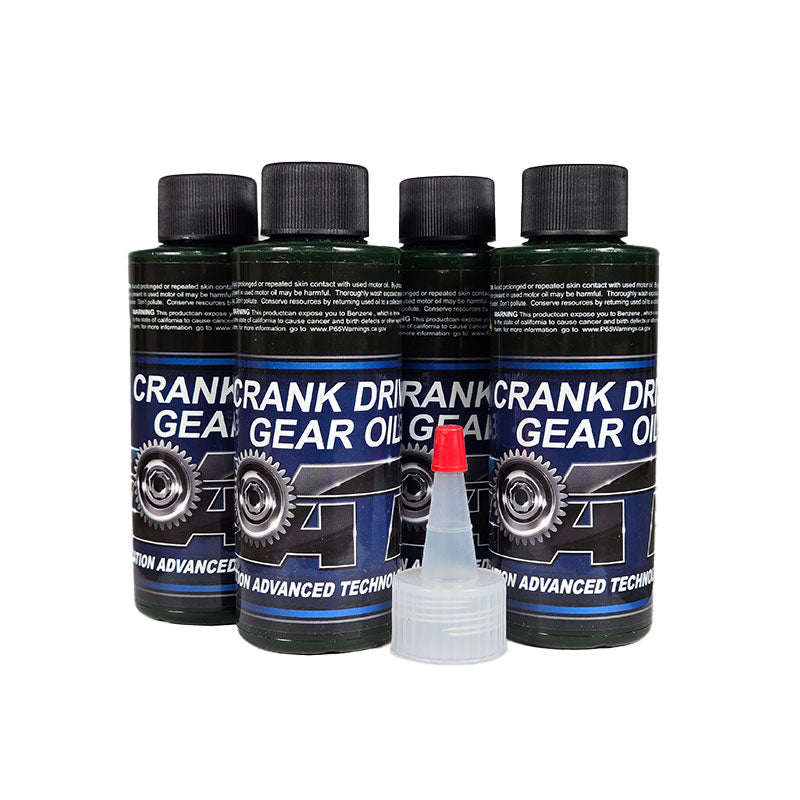
Credit: www.prolineracing.net
Health Symptoms To Watch
Car oil contains chemicals that can harm your health. Some chemicals may cause cancer after long exposure. It is important to know the health symptoms to watch. Early signs can help you act fast and protect yourself.
This section explains common signs of exposure and long-term health effects. Knowing these symptoms helps you stay safe around car oil.
Signs Of Exposure
Skin contact with car oil can cause redness and itching. You may notice rashes or small bumps. Breathing in fumes might lead to coughing or shortness of breath. Headaches and dizziness are common symptoms too. These signs show your body is reacting to harmful chemicals.
Long-term Health Effects
Long exposure to car oil chemicals can cause serious problems. Some chemicals may increase cancer risk in the lungs or skin. You might feel tired all the time or lose weight without reason. Persistent cough or changes in breathing can appear after years. Watch for unusual lumps or sores that do not heal. These symptoms need medical attention quickly.
Preventive Measures
Preventive measures reduce the risk of health problems linked to car oil. Taking simple steps protects your skin and lungs from harmful exposure. Staying careful helps avoid long-term damage from toxic substances.
Safe Handling Practices
Always handle car oil in well-ventilated areas. Avoid direct skin contact by using tools or rags. Clean spills immediately to prevent accidents. Store oil containers tightly closed and away from heat. Dispose of used oil properly at recycling centers. Never pour oil on the ground or in drains.
Protective Gear
Wear gloves made of nitrile or rubber to protect your hands. Use long sleeves and pants to cover your skin. Consider safety goggles to shield your eyes from splashes. A mask can help prevent breathing in harmful fumes. Proper gear lowers the chance of oil touching your body. Always wash your hands thoroughly after handling oil.

Credit: www.carsifu.my
Safe Disposal Tips
Safe disposal of used car oil is very important. It helps protect people and the environment. Used oil can contain harmful chemicals that may cause health problems. Handling and throwing away oil the right way reduces risks and pollution.
Environmental Concerns
Used car oil can pollute soil and water. Even small amounts can harm plants and animals. Oil can seep into the ground and reach drinking water. This pollution affects nature and human health. Proper disposal stops this damage.
Disposal Methods
Never pour used oil down drains or on the ground. Collect oil in a clean, sealed container. Take it to a recycling center or a service station. Many places accept used oil for safe recycling. Recycling oil saves resources and keeps the environment safe.

Credit: www.cancer.gov
Frequently Asked Questions
Can Used Car Oil Cause Cancer In Humans?
Used car oil contains harmful chemicals that may increase cancer risk. Prolonged skin contact or inhalation of fumes can be hazardous. Proper handling and disposal reduce exposure and health risks.
How Does Car Oil Exposure Link To Cancer?
Car oil exposure releases carcinogenic compounds like PAHs. These chemicals can damage DNA and cells, leading to cancer over time. Avoiding direct contact and using protective gear minimizes risk.
Is Engine Oil Toxic If Ingested Or Inhaled?
Engine oil is toxic if swallowed or inhaled in large amounts. It contains harmful substances that affect organs and can increase cancer risk. Immediate medical help is necessary after ingestion.
What Safety Measures Prevent Cancer From Car Oil Exposure?
Wear gloves and masks when handling car oil. Work in well-ventilated areas to avoid inhaling fumes. Properly dispose of used oil to minimize environmental and health hazards.
Conclusion
Car oil contains chemicals that may harm your health. Long or repeated skin contact can increase risks. Avoid touching used oil without gloves. Always clean spills quickly and safely. Proper disposal protects you and the environment. Stay informed about safe car maintenance habits.
Taking small steps helps reduce health dangers. Keep your workspace clean and well-ventilated. Remember, safety matters more than convenience. Protect yourself while caring for your car.
Recent Posts
Car Fridge Dual Zone: Ultimate Portable Cooler for Travel and Camping
Have you ever opened a car cooler only to find your drinks warm and your snacks spoiled? It’s frustrating when a simple road trip or camping day turns uncomfortable because your food isn’t...
Car Fridge And Warmer: Ultimate Portable Cooler for Travel and Camping
Have you ever been stuck on a long drive with warm drinks and soggy snacks? It’s frustrating when your food and beverages don’t stay fresh.This small annoyance can spoil your whole trip or...