
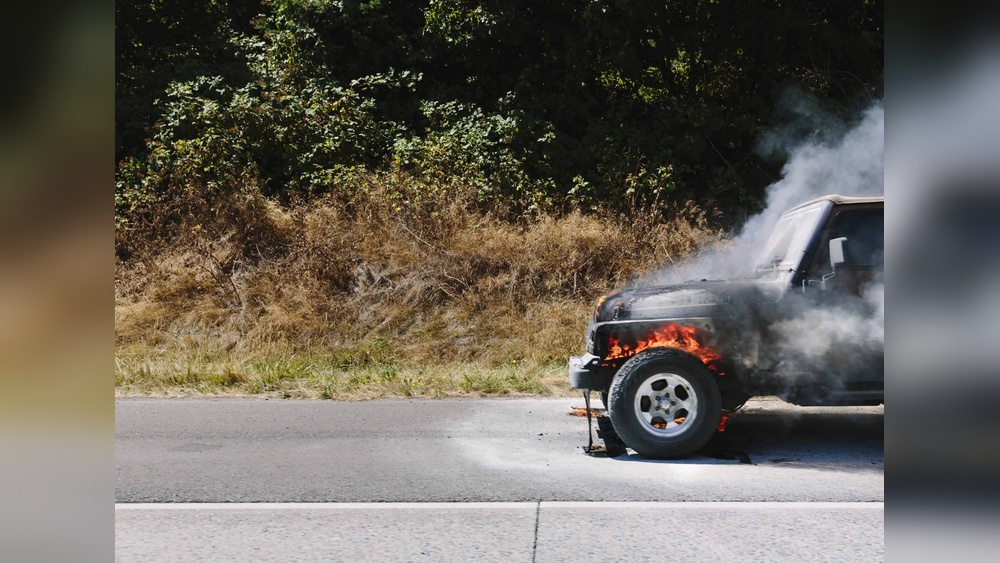
Have you ever wondered if the oil in your car can actually catch on fire? It’s a question that might not cross your mind often, but understanding the risks could save you from a dangerous situation.
Your car’s oil plays a crucial role in keeping the engine running smoothly, but what happens if things go wrong? Keep reading to learn the surprising facts about car oil and fire safety—knowing this could protect you and your vehicle in ways you never expected.
Credit: footework.com
How Engine Oil Works
Engine oil plays a key role in keeping a car’s engine running smoothly. It prevents parts from wearing out and helps the engine stay cool. Understanding how engine oil works helps explain if it can catch fire.
Role In Engine Performance
Engine oil lubricates moving parts inside the engine. This reduces friction and stops metal parts from rubbing hard against each other. It also helps clean the engine by carrying dirt and tiny metal bits away. Oil forms a thin layer that protects the engine from damage. Without oil, the engine can overheat and break down quickly.
Oil Composition And Properties
Engine oil is made from base oils and additives. These additives improve oil’s ability to protect the engine. The oil must resist heat and pressure inside the engine. It also needs to flow well at low temperatures. High-quality oil stays stable and does not break down easily. While oil can catch fire if exposed to very high heat, it usually does not ignite inside a running engine.
Causes Of Oil Fires
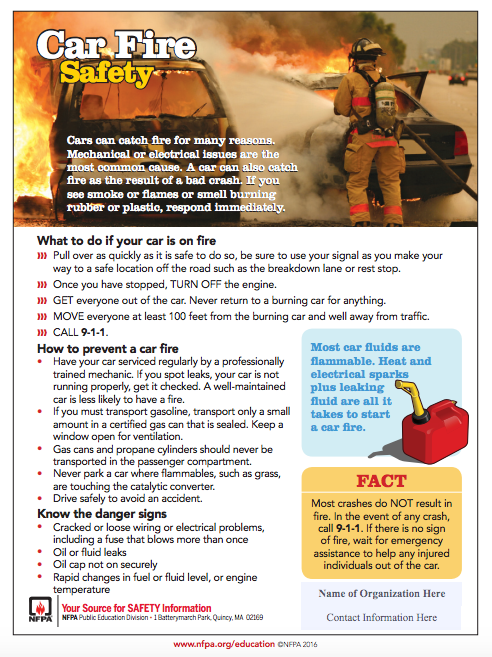
Car oil can catch fire under certain conditions. Understanding the causes helps prevent these dangerous fires. Oil fires start from heat, leaks, or electrical problems. Knowing these causes keeps your car and you safe.
Overheating And High Temperatures
Oil can catch fire if it gets too hot. The engine runs very hot, and oil is near many hot parts. If oil touches a surface hotter than 400°F, it may ignite. Overheating happens when the cooling system fails or the engine works too hard. Hot oil and hot metal create a fire risk.
Oil Leaks And Spills
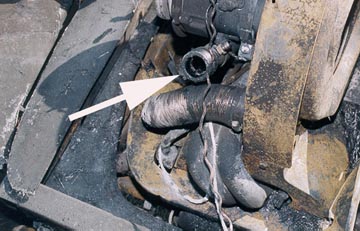
Leaking oil can cause fires easily. Oil leaks onto hot engine parts or the exhaust system. Even a small spill can ignite if it touches a hot surface. Leaks often come from worn gaskets, seals, or damaged hoses. Clean up oil spills quickly to stop fire hazards.
Electrical Short Circuits
Electrical problems can start oil fires too. A short circuit causes sparks or high heat near oil. Wiring issues or damaged insulation increase this risk. Sparks can ignite oil vapors or spilled oil. Regularly check your car’s electrical system for safety.
Signs Of Potential Oil Fire Risk
Car oil can catch fire if certain warning signs appear. Knowing these signs helps prevent dangerous situations. Watch closely for any unusual changes in your car’s condition.
Early detection of oil fire risk keeps you and your car safe. Below are common signs that may indicate a potential oil fire risk.
Burning Smell And Smoke
A strong burning smell near the engine is a serious warning. It often means oil is leaking onto hot parts. Smoke coming from under the hood signals trouble. Do not ignore these signs as they can lead to fire.
Oil Stains And Puddles
Oil stains under your car show leaks. Puddles of oil on the ground are a clear risk. Leaking oil can drip onto hot engine parts. This increases the chance of fire starting.
Warning Lights On Dashboard
Dashboard lights alert you to problems with oil pressure or temperature. A glowing oil light means low oil or overheating. These issues can cause oil to ignite. Always check your dashboard for warning signs.
Preventing Oil Fires
Car oil can catch fire if it gets too hot or touches a spark. Preventing oil fires is important for safety. You can reduce risks by following simple steps. These steps help keep your car and yourself safe.
Check your car often. Handle oil carefully. Store it right. These small actions stop fires before they start.
Regular Maintenance Tips
Change your oil on time. Old oil breaks down and burns easier. Replace oil filters regularly to keep oil clean. Clean engine parts stop oil buildup. Tighten loose parts to avoid leaks. Regular checks keep your engine cool and safe.
Checking For Leaks
Look under your car for oil spots. Check engine parts for wet or shiny areas. Smell for burning oil while running engine. Fix leaks quickly to stop oil from reaching hot parts. Use a flashlight to find small leaks. Leak-free engines reduce fire chances.
Proper Handling And Storage Of Oil
Store oil in cool, dry places. Keep containers closed tightly to avoid spills. Use clean tools to pour oil. Avoid overfilling engine oil. Dispose of old oil safely. Keep oil away from heat and sparks. Safe oil handling lowers fire risks.
What To Do If Oil Catches Fire
Oil fires in cars can be dangerous and require quick action. Knowing what to do helps protect you and others. Stay calm and follow clear steps to handle the situation safely.
Safe Steps To Extinguish The Fire
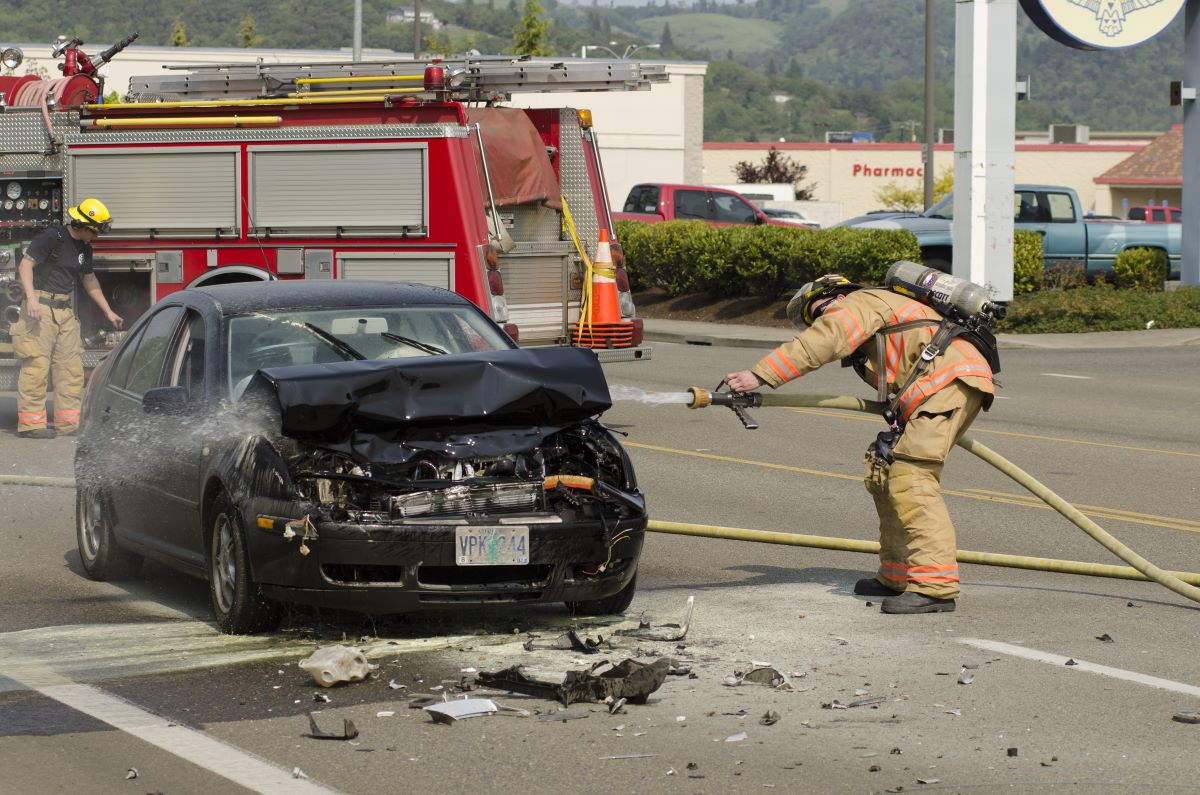
Turn off the car engine immediately. Do not try to open the hood if the fire is strong. Use a fire extinguisher rated for oil or grease fires. Aim at the base of the fire, not the flames. Avoid water; it can spread the fire quickly. If the fire is small, you may smother it with a heavy blanket or dirt. Always keep a safe distance while acting.
Emergency Contacts And Procedures
Call emergency services right away. Give clear information about your location and the fire. Warn others nearby to move to safety. Do not try to drive the car if it is on fire. Wait for trained firefighters to arrive and handle the situation. Follow their instructions carefully for your safety.
Avoiding Common Mistakes
Never use water to put out an oil fire. Do not try to move the car during the fire. Avoid inhaling smoke; it is harmful. Do not return to the vehicle until it is safe. Avoid panic; quick thinking saves lives. Always keep a fire extinguisher in your car for emergencies.
Credit: blog.koorsen.com
Comparing Oil Fires To Other Vehicle Fires
Vehicle fires can start from different fluids and materials. Oil fires and other types of vehicle fires behave differently. Understanding these differences helps in prevention and safety. This section compares oil fires with other common vehicle fires. It explains their causes, dangers, and how to respond.
Gasoline Vs. Oil Fires
Gasoline catches fire more easily than oil. Gasoline vapors ignite at lower temperatures. Oil needs higher heat to catch fire. Gasoline fires spread faster and burn hotter. Oil fires burn slower but last longer. Both fires are dangerous but act differently.
Fire Hazard Levels
Gasoline fires pose a higher immediate risk. They can cause explosions quickly. Oil fires are less likely to explode. Oil fires produce thick, dark smoke. Gasoline fires create bright flames and more heat. Knowing the hazard level helps in making quick decisions.
Response Strategies
For gasoline fires, avoid sparks and flames near the spill. Use a fire extinguisher rated for flammable liquids. Oil fires need cooling to reduce temperature first. Smothering oil fires with a fire blanket can work. Always call emergency services if a fire grows. Safety is the top priority in all cases.
Credit: www.croberts.com
Frequently Asked Questions
Can Car Oil Ignite And Cause Fire Hazards?
Yes, car oil can catch fire if exposed to high heat or flames. Leaking oil on hot engine parts increases this risk significantly.
What Temperature Can Car Oil Ignite At?
Car oil typically ignites around 400°F (204°C). Engine overheating or oil leaks near exhaust pipes can easily reach this temperature.
How To Prevent Car Oil From Catching Fire?
Regularly check for oil leaks and fix them immediately. Keep the engine clean and avoid oil spills on hot surfaces.
Is Burning Car Oil Dangerous To Health?
Yes, burning car oil releases toxic fumes harmful to breathe. Always handle oil safely and avoid ignition sources near leaks.
Conclusion
Car oil can catch fire, but it needs high heat or sparks. Oil alone rarely starts a fire without other factors. Keep your engine clean and fix leaks quickly. Avoid smoking or open flames near your car. Regular checks help spot problems early and keep you safe.
Understanding risks helps you protect your vehicle and yourself. Stay alert and take care to prevent fire hazards. Safety always comes first with your car’s oil and engine.
Recent Posts
10 Best License Plate Frames for Popular Cars: Stylish & Durable Picks
Have you ever struggled with a loose or rusty license plate frame that just won’t stay put? It’s frustrating when your car’s look feels unfinished or when a noisy frame distracts you on every...
Best Tesla Model 3 & Model Y License Plate Frames No Drill Options
Have you ever struggled with installing a front license plate on your Tesla Model 3 or Model Y? Drilling into your sleek car’s bumper can feel wrong and risky.It’s frustrating to think about...