
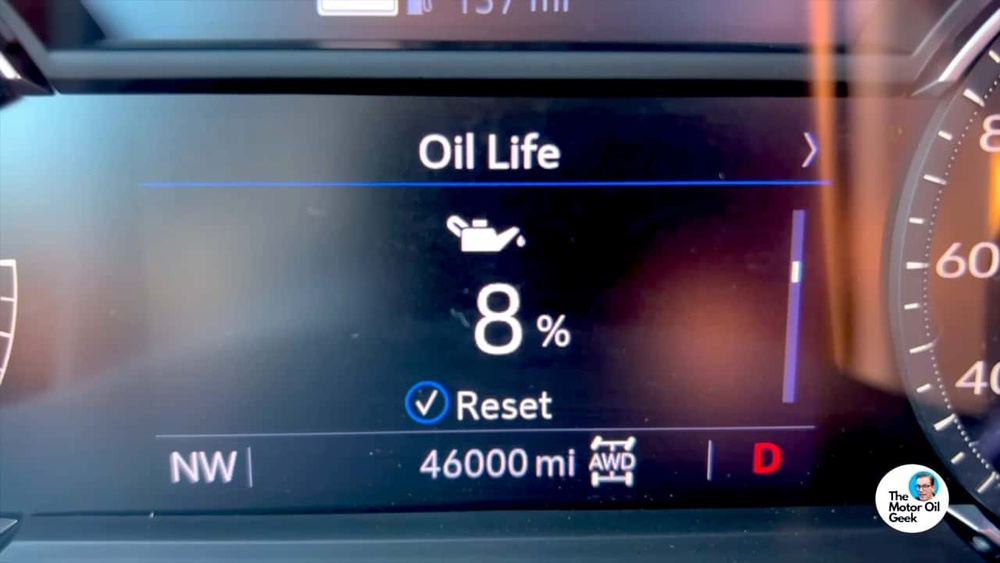
Have you ever checked your car’s oil level and wondered if the percentage shown is really accurate? You rely on these numbers to keep your engine running smoothly, but what if they’re misleading?
Knowing the truth about your car oil percentage can save you from unexpected breakdowns and costly repairs. You’ll discover how these measurements work, why they might not always be spot-on, and what you can do to make sure your engine stays in top shape.
Keep reading—your car’s health depends on it.

Credit: www.reddit.com
Oil Percentage Basics
Oil percentage in a car shows how much oil is left or how clean it is. It helps drivers know when to change the oil. This number is important for keeping the engine healthy. Too little or dirty oil can cause engine problems.
Understanding oil percentage is simple. It tells you if the oil can still protect the engine. The number usually comes from sensors or oil analysis. Knowing the basics helps you trust the oil readings and keep your car running well.
How Oil Percentage Is Measured
Oil percentage often comes from sensors inside the engine. These sensors check oil quality and amount. Some measure oil life based on temperature and engine use. Others test oil cleanliness and contamination. The car’s computer uses this data to show oil percentage.
Some cars calculate oil life using algorithms. They estimate how long oil can work before breaking down. This method is more about oil quality than amount. It helps predict oil changes better than just mileage.
Common Oil Percentage Indicators
Most cars show oil percentage on the dashboard or screen. It appears as a number or bar. Some use percentages like 100% for new oil and 0% for old oil. Others show oil life in miles or days left.
Oil change lights or warnings often come with these indicators. They alert drivers when oil needs changing. Checking oil percentage regularly helps avoid engine damage. It makes maintenance easier and safer.
Factors Affecting Accuracy
Car oil percentage readings help drivers know when to change the oil. These readings are not always exact. Several factors can change how accurate these measurements are. Understanding these factors helps you trust the numbers better.
Some parts of the car and outside conditions affect the oil sensor’s results. Also, the engine’s condition plays a role. These elements can cause the oil percentage to show higher or lower than actual.
Sensor Limitations
Oil sensors have limits in how they read data. They may not detect small changes in oil quality. Dirt or oil type can confuse the sensor. Sensors also have a lifespan and may wear out.
Older sensors might give less accurate readings. Cheap sensors may not work well with all oil types. This means the percentage shown might not be fully correct.
Environmental Influences
Outside conditions affect oil percentage accuracy. Cold weather thickens oil and changes sensor readings. Hot weather can thin the oil, causing false low readings.
Driving on dusty or rough roads can dirty the oil faster. This change might not immediately show on the sensor. Sudden changes in temperature also confuse sensors.
Engine Wear And Tear
Old or worn engines change how oil behaves. Leaks or burning oil affect the oil level and quality. This can cause the sensor to show wrong percentages.
Engines with many miles may have more sludge. Sludge can block sensors or mix with oil. This mix reduces sensor reliability and reading accuracy.
Oil Quality And Its Impact
Oil quality plays a big role in how well a car runs. Good oil keeps the engine clean and cool. It also protects engine parts from wear. Poor oil quality can cause engine damage. This affects the oil percentage readings and overall car health.
Types Of Engine Oil
There are three main types of engine oil. Mineral oil comes from crude oil and is the most basic. Synthetic oil is made in labs and lasts longer. Semi-synthetic oil mixes both types. Each type behaves differently under heat and pressure. Using the right oil type helps the engine work smoothly.
Oil Degradation Over Time
Oil breaks down as the car runs. Heat and friction cause the oil to lose its power. Dirt and metal particles mix into the oil. This makes the oil thicker and less effective. Old oil cannot protect the engine well. Regular oil changes keep the oil fresh and working properly.
Interpreting Oil Percentage Readings
Interpreting oil percentage readings helps you understand your car’s oil health. These readings show how much oil remains in your engine or how clean it is. Knowing how to read them correctly can save you from costly repairs. It also helps you keep your engine running smoothly.
When To Trust The Reading
Oil percentage readings are usually reliable after the engine warms up. Check readings when the car is parked on a level surface. Use the car’s manual to know the correct oil level range. Sensors often give accurate data during regular driving conditions. Consistent readings over several checks are more trustworthy. Trust readings that match physical oil checks or dipstick results.
Signs Of Inaccurate Data
Oil percentage readings may be wrong if the engine is cold. Faulty sensors can cause sudden jumps in the readings. Inconsistent or wildly changing values suggest errors. Dirt, sludge, or leaks can affect sensor accuracy. A warning light on the dashboard may signal a problem. Always verify with a manual oil check if the reading looks off.
Improving Accuracy
Improving the accuracy of car oil percentage readings helps you keep your engine healthy. Accurate data prevents engine damage and costly repairs. You can trust your car’s oil system more with some simple steps.
Regular checks and good tools make a big difference. Let’s explore how to improve oil percentage accuracy in your car.
Regular Maintenance
Changing the oil on time keeps sensors working well. Dirty oil can give false readings. Clean oil flows better and protects engine parts. Scheduled service helps catch problems early. A well-maintained engine runs smoother and lasts longer.
Using Quality Sensors
Cheap sensors often give wrong oil percentage data. High-quality sensors are more reliable and last longer. They measure oil levels and conditions better. Installing good sensors means fewer surprises on the road. Quality parts keep your car’s system accurate.
Manual Oil Checks
Using a dipstick is a simple way to check oil. It confirms sensor readings and avoids errors. Check the oil when the engine is cool and on level ground. Clean the dipstick before dipping it again. This hands-on method helps you trust your car’s oil data.

Credit: www.youtube.com

Credit: www.reddit.com
Frequently Asked Questions
Are Car Oil Percentage Readings Reliable?
Car oil percentage readings provide a general estimate of oil condition. However, they are not fully precise. Factors like sensor quality and oil type affect accuracy. Regular oil changes and physical checks ensure better engine health than relying solely on percentage readings.
How Do Oil Sensors Measure Oil Percentage?
Oil sensors analyze properties like viscosity and contaminants. They use electrical or optical methods to estimate oil degradation. These readings help predict when oil needs changing but may not capture all wear factors. Sensors support maintenance but don’t replace manual inspections.
Can Oil Percentage Affect Engine Performance?
Yes, low oil quality or percentage can reduce engine efficiency. Degraded oil fails to lubricate well, causing friction and wear. Monitoring oil percentage helps prevent damage by signaling timely oil changes. Maintaining good oil condition ensures smooth engine operation and longevity.
Why Do Oil Percentage Readings Sometimes Differ?
Oil percentage readings vary due to sensor calibration, oil type, and operating conditions. External factors like temperature and engine load also impact results. Differences highlight the need for combined methods—sensor data plus visual checks—for accurate oil health assessment.
Conclusion
Car oil percentage can give a good idea about oil quality. Still, it does not tell the full story of oil performance. Regular oil checks and changes keep engines healthy. Trust expert advice and use the right oil type. Always watch for signs of engine trouble early.
Good care helps your car run smooth and long. Oil percentage matters but should not be the only focus. Keep your engine’s needs in mind for best results.
Recent Posts
Durable Jeep Wrangler American Flag License Plate Frame for Patriotic Drivers
Have you ever felt frustrated by a plain, worn-out license plate frame on your Jeep Wrangler? It’s a small detail, but it can really affect your vehicle’s look.Every time you see that dull...
Slim Design Audi Black License Plate Frame for Sleek Car Styling
Have you ever struggled with a bulky, noisy license plate frame that just doesn’t fit right? It can be so frustrating when your car’s style feels off or the frame rattles every time you...