
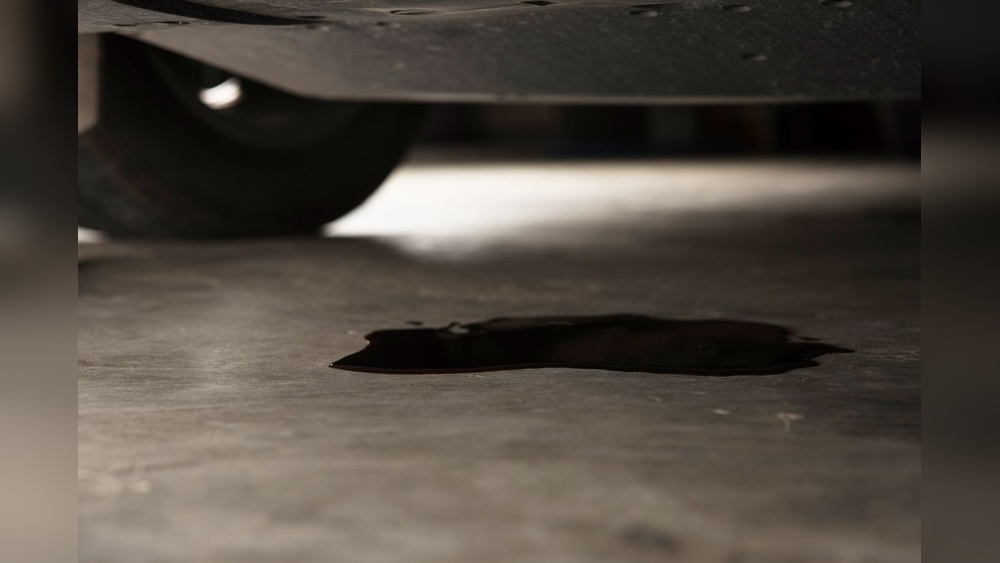
Have you ever noticed a strange puddle under your car and wondered if it’s a sign of something serious? Oil leaks are a common concern for many car owners, but how common are they really?
Understanding the truth about oil leaks can save you time, money, and a lot of stress. You’ll discover why oil leaks happen, what signs to watch for, and how to protect your car from costly damage. Keep reading—you’ll learn everything you need to know to keep your vehicle running smoothly and avoid unexpected breakdowns.
Frequency Of Car Oil Leaks
Car oil leaks happen more often than many drivers expect. These leaks can start small and grow over time. Recognizing how often they occur helps you stay ahead. Regular checks can keep your car safe and running well.
How Often Do Oil Leaks Occur?
Oil leaks happen at different rates depending on the car’s age and use. Older cars are more likely to have leaks. New cars rarely show leaks unless there is a defect or damage.
Common Causes Of Frequent Oil Leaks
Worn seals and gaskets cause many leaks. Rough driving and poor maintenance speed up leaks. Using the wrong oil type can also cause leaks to appear more often.
Signs That Oil Leaks Are Becoming Frequent
Dark spots under your car signal an oil leak. A burning oil smell inside or outside the car is a warning. Oil level drops fast even after refills indicate leaks.
How Maintenance Affects Oil Leak Frequency
Regular oil changes reduce leak chances. Checking seals and hoses stops leaks from growing. Fixing small leaks fast prevents bigger problems later.
Credit: www.valvolineglobal.com
Common Causes Of Oil Leaks
Oil leaks in cars happen more often than many drivers think. They can cause engine problems if not fixed quickly. Knowing what causes oil leaks helps you spot trouble early. Here are some common reasons your car might be leaking oil.
Worn Seals And Gaskets
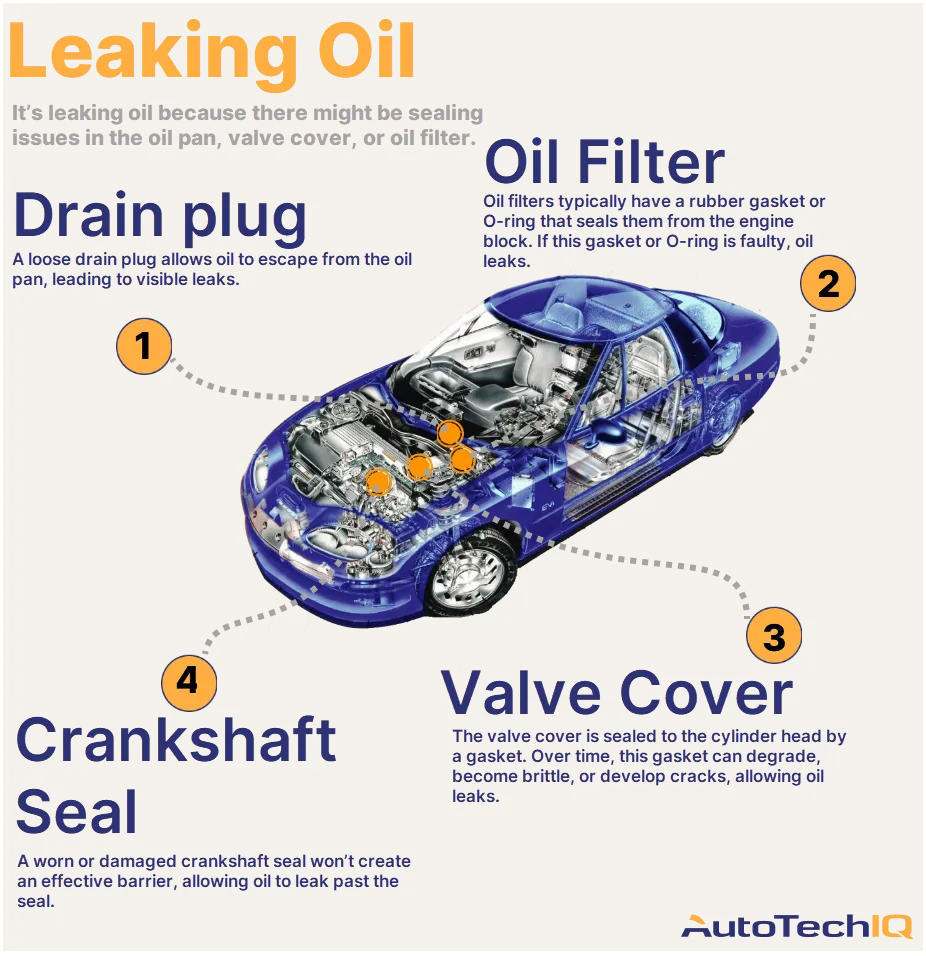
Seals and gaskets keep oil inside the engine. Over time, heat and pressure make them dry out and crack. Old seals and gaskets lose their tight fit. This lets oil escape and leak under the car.
Damaged Oil Pan
The oil pan holds the engine oil at the bottom. Hitting road debris or rough surfaces can dent or crack it. A damaged oil pan may leak oil until fixed or replaced.
Loose Or Faulty Oil Filter
The oil filter cleans the engine oil. If it is loose or broken, oil can drip out. A bad oil filter seal also causes leaks. Checking the filter after oil changes is important.
Cracked Engine Block
A cracked engine block is rare but serious. Cracks let oil seep out and cause engine damage. This problem needs quick attention from a mechanic to avoid major repairs.
Signs Of An Oil Leak
Oil leaks can cause serious problems for your car. Early signs help catch leaks before damage happens. Watch for simple clues that show your car might be leaking oil.
Oil Puddles Under The Car
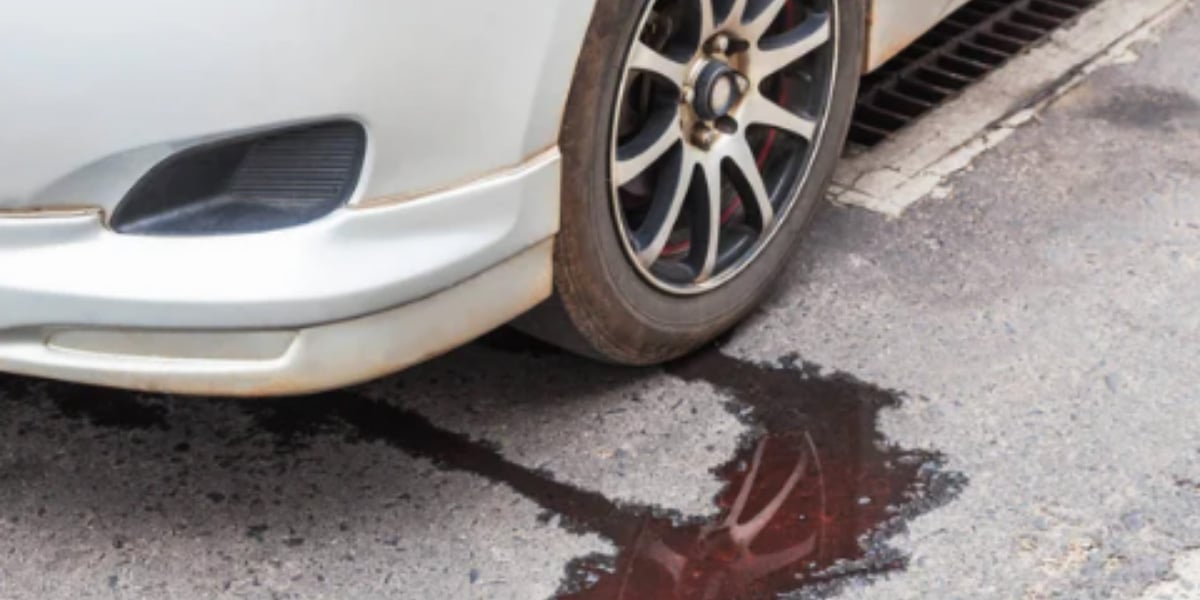
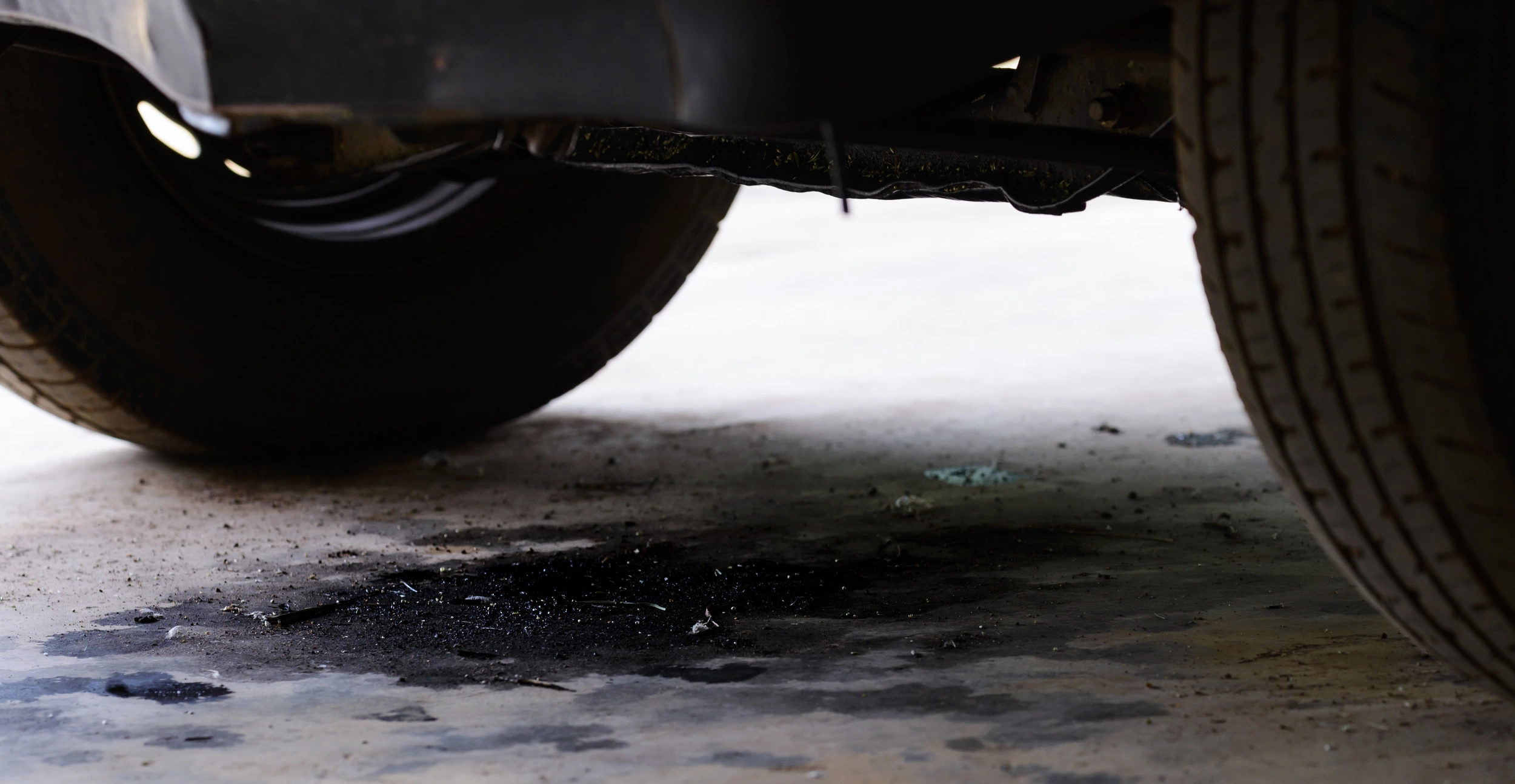
One common sign is oil puddles under your car. Dark, shiny spots on the ground mean oil is dripping. Check the size and color of the puddle. Fresh oil is usually dark brown or black. Small puddles often mean a minor leak, but big pools need quick attention.
Burning Oil Smell
A burning oil smell inside or outside the car shows oil leaks. Oil drips onto hot engine parts and burns. The smell is strong and sharp. Notice this smell especially after driving. Ignoring it can cause engine damage.
Low Oil Levels
Oil leaks cause your engine oil level to drop. Check the oil level with a dipstick. Low oil means your engine is losing oil somewhere. Keep an eye on oil levels regularly. Low oil can harm engine parts and reduce car performance.
Smoke From Engine
Smoke coming from the engine area is a serious sign. Oil leaks can drip onto hot parts and create smoke. The smoke may be blue or gray. This means oil is burning and needs fixing fast. Do not ignore smoke from under the hood.
Risks Of Ignoring Oil Leaks
Ignoring oil leaks in your car can cause serious problems. Oil leaks may seem small, but they can lead to big damage. Understanding the risks helps you keep your car safe and running well.
Engine Damage
Oil keeps the engine parts moving smoothly. Without enough oil, parts rub and wear out fast. This causes overheating and may break the engine. Fixing engine damage can be very expensive.
Reduced Performance
Oil leaks lower the amount of oil in the engine. The engine works harder and loses power. You may notice poor fuel economy and slower acceleration. Your car will not run as well as before.
Environmental Impact
Oil leaks drip onto roads and soil. This harms plants, animals, and water sources. Oil pollution is hard to clean up. Protecting the environment means fixing leaks quickly.
Preventing Oil Leaks
Preventing oil leaks helps keep your car safe and running well. Oil leaks can cause engine damage and costly repairs. Simple care steps can stop leaks before they start. Check your car often and follow good habits.
Regular Maintenance
Regular maintenance keeps your car parts in good shape. Mechanics check for early signs of leaks during routine service. They look at the oil pan, drain plug, and filters. Tightening loose parts can stop leaks fast. Routine checks help catch small problems early.
Timely Oil Changes
Changing oil on time protects engine parts and seals. Old oil becomes thick and dirty, causing wear. Fresh oil flows well and reduces pressure on seals. Follow the car maker’s schedule for oil changes. Clean oil helps prevent leaks and keeps the engine cool.
Inspecting Seals And Gaskets
Seals and gaskets stop oil from escaping the engine. Over time, heat and pressure can crack them. Check these parts for cracks, dryness, or damage. Replace worn seals to avoid leaks. Regular inspection keeps your car safe and oil tight.
Credit: www.autotechiq.com
Repair Options For Oil Leaks
Repairing an oil leak is important to keep your car safe and running well. Oil leaks can cause engine damage and reduce performance. Many repair options exist depending on the leak’s size and location. Some fixes you can do at home. Others need expert help. Understanding these options helps you choose the best solution fast.
Diy Fixes
Small oil leaks may be fixed with simple tools. Start by cleaning the leak area. Use a gasket sealer or oil stop leak additives. These products can seal minor cracks or worn seals. Check the oil filter and drain plug for tightness. Replace old gaskets or seals if you have basic skills. Watch for leaks after the fix. DIY fixes save money but may not work for large leaks.
Professional Repairs
Serious oil leaks need a mechanic’s attention. Professionals can find the exact leak source. They replace damaged parts like gaskets, seals, or oil pans. Mechanics use special tools for a thorough repair. They also check for other engine issues. Professional repairs ensure a long-lasting fix. This option is safer for complex leaks or older cars.
Cost Considerations
Repair costs vary by leak size and type. DIY fixes cost less, mostly for materials. Professional repairs may cost more due to labor and parts. Small leaks might cost under $100 to fix. Bigger leaks or part replacements can reach several hundred dollars. Regular oil checks can prevent costly repairs. Choose a repair option that fits your budget and leak severity.
Credit: me.gulfoilltd.com
Frequently Asked Questions
Are Car Oil Leaks Common In Older Vehicles?
Yes, oil leaks are more common in older vehicles due to worn seals and gaskets. Aging parts can crack or degrade, causing leaks. Regular maintenance helps identify leaks early and prevents engine damage. Timely repairs keep your car running smoothly and avoid costly fixes.
What Are Common Signs Of Car Oil Leaks?
Common signs include oil spots under the car, low oil levels, and engine burning smells. You may notice smoke from the engine or a warning light on the dashboard. Early detection helps prevent engine damage and maintains vehicle performance.
Can Small Oil Leaks Cause Engine Damage?
Yes, even small leaks can reduce oil levels, leading to poor lubrication. Insufficient oil causes engine parts to wear faster and may lead to overheating. Prompt repair prevents costly engine damage and ensures your car runs efficiently.
How Can I Prevent Car Oil Leaks?
Regular oil changes and inspections help prevent leaks. Check seals, gaskets, and oil filters for wear. Avoid overfilling oil and use manufacturer-recommended oil types. Preventive maintenance saves money and extends your engine’s life.
Conclusion
Car oil leaks happen quite often in many vehicles. Small leaks do not always cause big problems right away. Still, ignoring leaks can lead to engine damage. Regular checks help catch leaks early and save money. Fixing leaks quickly keeps your car running well.
Clean oil means a healthy engine and better driving. Stay alert to any signs of oil spots or smells. Taking care of leaks is easy with simple steps. Keep your car safe and avoid costly repairs.
Recent Posts
Durable Jeep Wrangler American Flag License Plate Frame for Patriotic Drivers
Have you ever felt frustrated by a plain, worn-out license plate frame on your Jeep Wrangler? It’s a small detail, but it can really affect your vehicle’s look.Every time you see that dull...
Slim Design Audi Black License Plate Frame for Sleek Car Styling
Have you ever struggled with a bulky, noisy license plate frame that just doesn’t fit right? It can be so frustrating when your car’s style feels off or the frame rattles every time you...