
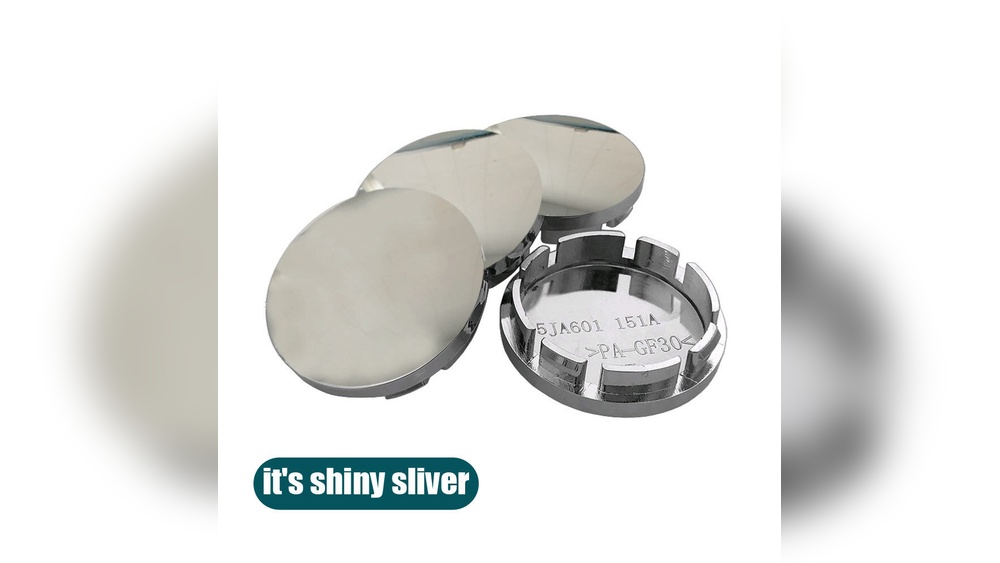
Have you ever wondered if your car’s oil cap can be swapped with one from another vehicle? Maybe you’re fixing your car yourself or just curious about how these small parts work.
Understanding whether car oil caps are universal can save you time, money, and prevent costly mistakes. You’ll discover the truth about oil caps and learn exactly what you need to keep your engine running smoothly. Keep reading to avoid common pitfalls and make the best choice for your car.
Car Oil Caps Basics
Car oil caps are small but important parts of your vehicle. They cover the oil fill hole on the engine. This keeps oil inside and stops dirt from entering. Understanding the basics of oil caps helps you maintain your car better. It also makes choosing the right cap easier.
Purpose Of Oil Caps
Oil caps seal the engine oil reservoir tightly. They stop oil from spilling out during driving. The cap also stops dust and dirt from getting inside the engine. This keeps the oil clean and the engine safe. Without a proper cap, the engine can lose oil or get damaged.
Common Materials Used
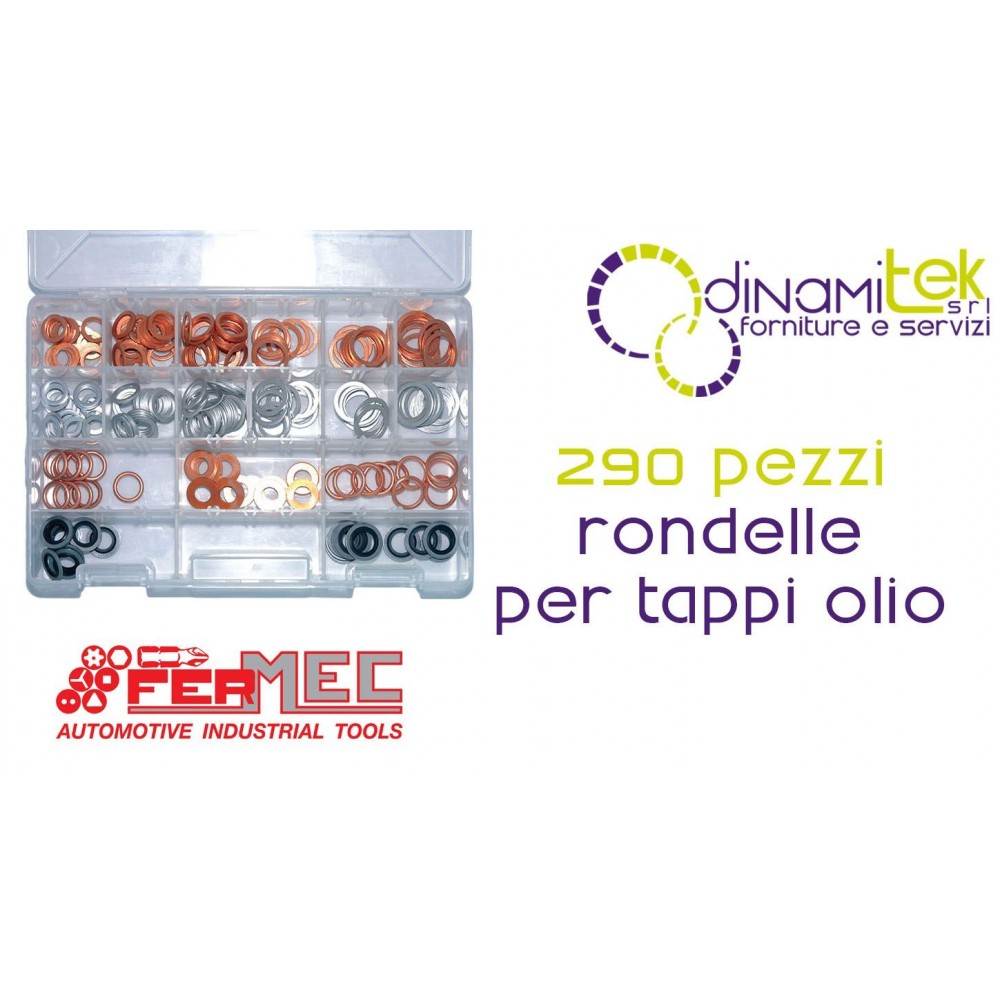
Most oil caps are made from plastic or metal. Plastic caps are light and resist heat well. Metal caps are stronger and last longer. Some caps have rubber seals to make a tighter fit. The material must handle heat and oil without breaking.
Credit: www.dinamitek.com
Variations In Oil Cap Sizes
Car oil caps are not one-size-fits-all. They come in different sizes and types. This variety helps match the specific needs of different car engines. Knowing these differences can save time and avoid fitting problems.
Standard Diameter Measurements
Oil caps usually follow common diameter sizes. The most frequent sizes range from 40mm to 70mm. Many cars use caps around 60mm. Smaller engines may need smaller caps. Larger engines often require bigger caps. This range ensures a good fit for most vehicles.
Thread Types And Patterns
Threads hold the oil cap securely in place. They come in different patterns and pitches. Some caps use fine threads, others use coarse threads. The thread direction is mostly clockwise to tighten. Using the wrong thread type can cause leaks or damage. Checking your car’s manual helps find the right thread style.
Compatibility Factors
Car oil caps are not one-size-fits-all. Several factors affect their compatibility with your vehicle. Understanding these factors helps you choose the right cap and avoid leaks or engine problems.
Vehicle Make And Model Influence
Different car brands and models use specific oil caps. The shape and size vary to fit each engine design perfectly. Using the wrong cap can cause poor sealing and oil spills. Always check your vehicle’s manual or the old cap for exact details. Even cars from the same brand may have different caps for various models.
Engine Type Considerations
Engines differ in size and design, affecting the oil cap type. Some engines need caps with special seals or pressure valves. Turbocharged or high-performance engines often require stronger or more secure caps. Standard engines usually have simpler caps. Matching the cap to your engine type ensures proper function and safety.

Credit: brechbilltrailers.com
Risks Of Using Incorrect Caps
Using the wrong oil cap can cause serious problems for your car. The oil cap keeps the engine sealed and oil inside. A wrong fit may seem small but can lead to big issues. It is important to understand the risks of using an incorrect oil cap. This helps protect your engine and avoid costly repairs.
Oil Leakage Issues
An incorrect oil cap may not fit tightly. This allows oil to leak out of the engine. Oil leaks cause low oil levels, which harm engine parts. Leaks also make a mess under the hood. Dirt and dust can stick to the oil, causing clogs. A tight seal is key to prevent oil leaks.
Engine Contamination Risks
The oil cap stops dirt and moisture from entering the engine. Using the wrong cap can let contaminants inside. Dirt and water mix with the oil, lowering its quality. Contaminated oil damages engine parts and reduces performance. Clean oil keeps the engine running smoothly and lasts longer.
How To Choose The Right Oil Cap
Choosing the right oil cap is important for your car’s engine health. A wrong cap can cause oil leaks or engine problems. Knowing how to pick the correct cap saves time and money. This section explains simple steps to find the right oil cap for your vehicle.
Checking Manufacturer Specifications
Start by checking your car’s manual. The manufacturer lists the exact oil cap size and type. This ensures you get a perfect fit. Using the recommended cap keeps the engine sealed and safe from dirt. Always trust the car maker’s advice over generic options.
Tips For Aftermarket Options
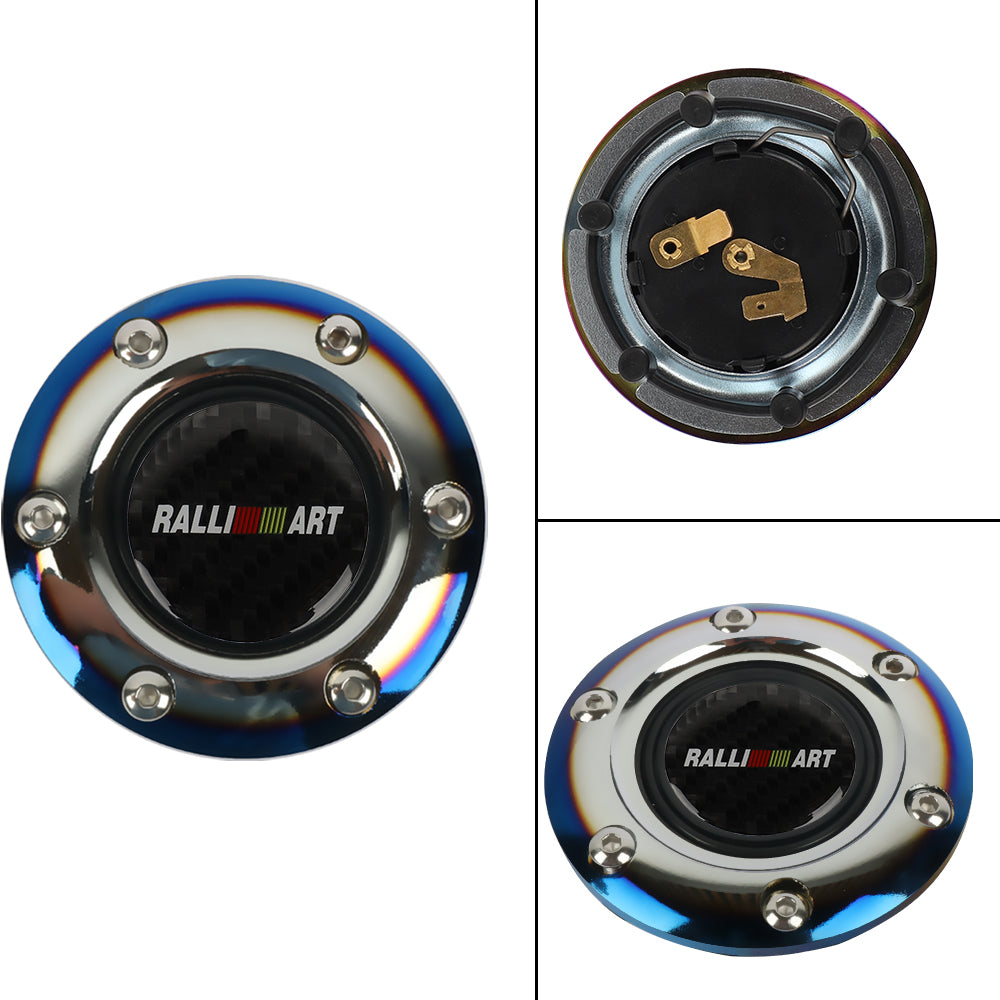
Aftermarket oil caps can fit many cars but vary in quality. Choose caps made from durable materials like metal or high-grade plastic. Look for caps with a good seal to prevent leaks. Read user reviews to find reliable brands. Avoid very cheap caps; they may cause damage later.
Credit: www.jkracingjdm.com
Trends In Universal Oil Caps
Universal oil caps are gaining attention in the car maintenance world. More drivers want parts that fit many car models. This reduces the need to buy specific caps for each vehicle.
New trends focus on making these caps easier to use and more reliable. Manufacturers work hard to improve the design and availability of universal oil caps.
Design Innovations
Designs now aim for better sealing to prevent oil leaks. Caps use flexible materials that fit different cap openings. Some have adjustable threads to match various engines.
Improved grips make it easier to open and close the caps. Many caps include clear markings to show if they are tightly closed. Safety and convenience are top priorities in new designs.
Market Availability
Universal oil caps are widely available in auto parts stores and online. They come in various sizes to cover most car brands. Prices are generally lower than brand-specific caps.
Easy availability helps drivers replace caps quickly. This supports regular car maintenance and prevents engine damage. The growing market means more options for buyers.
Frequently Asked Questions
Are Car Oil Caps Interchangeable Between Different Vehicles?
Car oil caps are not universally interchangeable. They vary by size, thread type, and design specific to each vehicle model. Always use the oil cap recommended by your car manufacturer to ensure proper fit and avoid leaks or engine damage.
How To Identify The Correct Oil Cap For My Car?
Check your vehicle’s owner manual or look for part numbers on the existing oil cap. You can also consult auto parts stores or online retailers by providing your car’s make, model, and year for accurate matching.
What Problems Arise From Using A Wrong Oil Cap?
Using an incorrect oil cap can cause oil leaks, contamination, and engine damage. It may also trigger warning lights or reduce engine performance. Always replace oil caps with the exact type specified for your vehicle.
Can Aftermarket Oil Caps Fit My Car Safely?
Some aftermarket oil caps fit multiple models, but not all are safe. Choose quality caps designed for your vehicle’s specifications to ensure a proper seal and avoid engine problems.
Conclusion
Car oil caps are not always universal. Different cars need different sizes and types. Using the wrong cap can cause leaks or damage. Always check your car’s manual before buying a new cap. Choosing the right oil cap helps keep your engine safe.
It also stops dirt and dust from entering. Taking a little time now saves big problems later. Keep your car running smooth and avoid extra repairs. Simple steps make a big difference in car care.
Recent Posts
10 Best License Plate Frames for Popular Cars: Stylish & Durable Picks
Have you ever struggled with a loose or rusty license plate frame that just won’t stay put? It’s frustrating when your car’s look feels unfinished or when a noisy frame distracts you on every...
Best Tesla Model 3 & Model Y License Plate Frames No Drill Options
Have you ever struggled with installing a front license plate on your Tesla Model 3 or Model Y? Drilling into your sleek car’s bumper can feel wrong and risky.It’s frustrating to think about...