
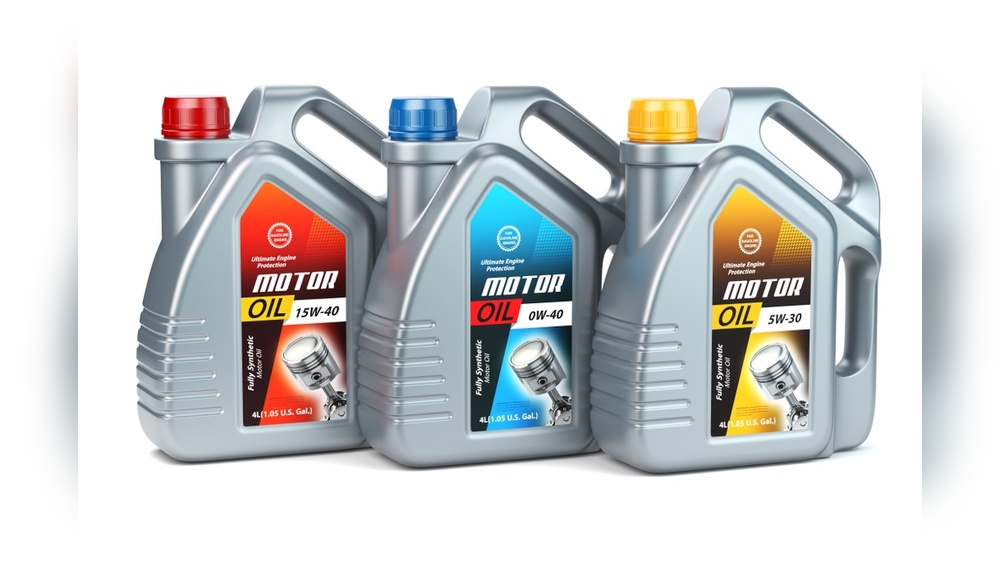
Are car oil changes really that important? You might think it’s just another routine task, but what if skipping it puts your car at risk?
Your vehicle depends on clean oil to run smoothly and avoid costly damage. Understanding why car oil matters can save you money and keep your engine healthy. Keep reading to discover the surprising truth about car oil and how it affects your ride every day.
Types Of Car Oil
Choosing the right car oil is important for engine health. Different oils serve different needs. Understanding the types helps you pick the best one for your car. Each type has unique features and benefits. Here are the main types of car oil you should know about.
Conventional Oil
Conventional oil is the most basic type. It comes directly from crude oil and is refined for use. This oil works well for simple engines and low-mileage cars. It costs less but needs more frequent changes. It offers good protection but may not perform well in extreme temperatures.
Synthetic Oil
Synthetic oil is made in a lab with uniform molecules. It lasts longer and performs better at high and low temperatures. This oil cleans engine parts and reduces wear. It suits modern engines and cars with high performance. The price is higher, but it can save money on repairs.
Synthetic Blend Oil
Synthetic blend oil mixes conventional and synthetic oils. It offers better protection than conventional oil. It is ideal for trucks and SUVs used for towing or heavy work. This oil balances cost and performance well. It helps engines run smoothly under stress.
High-mileage Oil
High-mileage oil is designed for cars with over 75,000 miles. It has special additives to protect older engines. This oil reduces leaks and oil burning. It helps to keep worn parts lubricated and running quietly. It extends the life of aging engines.
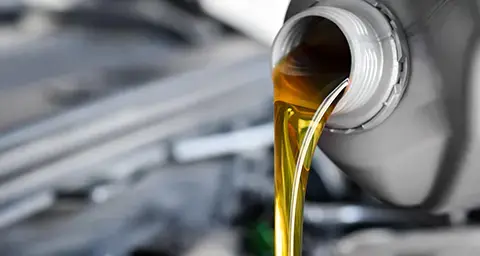
Credit: totalenergies.co.uk
Oil Viscosity And Grades
Oil viscosity and grades play a crucial role in car engine health. Viscosity measures how thick or thin the oil is. The right oil keeps your engine parts moving smoothly. Using the wrong oil can cause wear and reduce engine life. Understanding viscosity and grades helps you pick the best oil for your car.
Understanding Viscosity Ratings
Viscosity ratings show how oil flows at different temperatures. The number before the “W” (like 5W) tells how the oil flows when cold. A lower number means the oil is thinner and flows easier in cold weather. The number after the “W” shows how thick the oil is at normal engine temperature. Higher numbers mean thicker oil. Thicker oil protects engine parts better in hot weather.
Choosing The Right Grade
Car makers suggest oil grades for each engine type. Check your owner’s manual for the correct grade. Using the recommended oil grade helps your engine run well. Thinner oil may save fuel but might not protect well in heat. Thicker oil offers more protection but can reduce fuel efficiency. Pick the grade that fits your car’s needs and local climate.
Oil Change Intervals
Oil change intervals tell you how often to replace your car’s oil. Changing oil on time keeps your engine clean and running well. Skipping or delaying changes can cause engine damage and reduce car life. Knowing the right intervals helps you avoid costly repairs and keeps your car smooth on the road.
Manufacturer Recommendations
Car makers set oil change intervals based on engine design. These recommendations appear in your owner’s manual. Most suggest changing oil every 5,000 to 7,500 miles. Some newer models allow longer intervals up to 10,000 miles. Follow these guidelines for best engine health and warranty coverage.
Driving Conditions Impact
Driving style affects how often you change oil. Short trips, stop-and-go traffic, and dusty roads wear oil faster. Extreme heat or cold also affects oil quality. In these cases, change oil more often than the manual says. This keeps the engine safe under tough conditions.
Benefits Of Regular Oil Changes
Regular oil changes keep your car running smoothly. Clean oil protects the engine parts from wear and tear. It helps the engine work better and last longer. Skipping oil changes can cause serious damage and costly repairs.
Changing oil regularly also improves how your car uses fuel. Old oil makes the engine work harder. Fresh oil reduces friction and helps save gas. This means fewer trips to the pump and more money saved.
Car oil affects the environment too. Dirty oil makes the engine pollute more. Clean oil helps lower harmful emissions. This keeps the air cleaner and your car greener.
Engine Longevity
Fresh oil lubricates engine parts and stops damage. It prevents rust and dirt buildup inside the engine. This keeps the engine parts moving smoothly. A well-lubricated engine lasts longer and costs less to fix.
Fuel Efficiency
Clean oil reduces friction between engine parts. Less friction means the engine uses less fuel. Your car runs better and burns less gas. This saves money and reduces fuel waste.
Reduced Emissions
Old oil causes the engine to run poorly. Poor engine performance creates more pollution. New oil helps the engine burn fuel cleaner. This lowers harmful gases released into the air.
Signs Of Oil Problems
Car oil keeps the engine parts moving smoothly. It stops the engine from heating too much. Oil problems can cause serious damage. Recognizing signs early can save your car from costly repairs.
Check your car often for these signs. They show if the oil needs attention.
Oil Leaks
Oil leaks happen when oil escapes from the engine. Look under your car for dark spots on the ground. Leaks can come from worn seals or gaskets. Small leaks can turn into big problems fast. Fixing leaks early keeps your engine safe.
Engine Noise
Oil lubricates engine parts to reduce noise. A loud knocking or ticking sound means oil is low or dirty. No oil, no smooth engine movement. Strange noises can mean the engine parts are rubbing. This can cause engine damage if not fixed.
Warning Lights
Your dashboard has warning lights to alert you. The oil pressure light or check engine light may turn on. These lights mean the oil level or pressure is low. Never ignore these signals. They warn you before serious engine trouble starts.
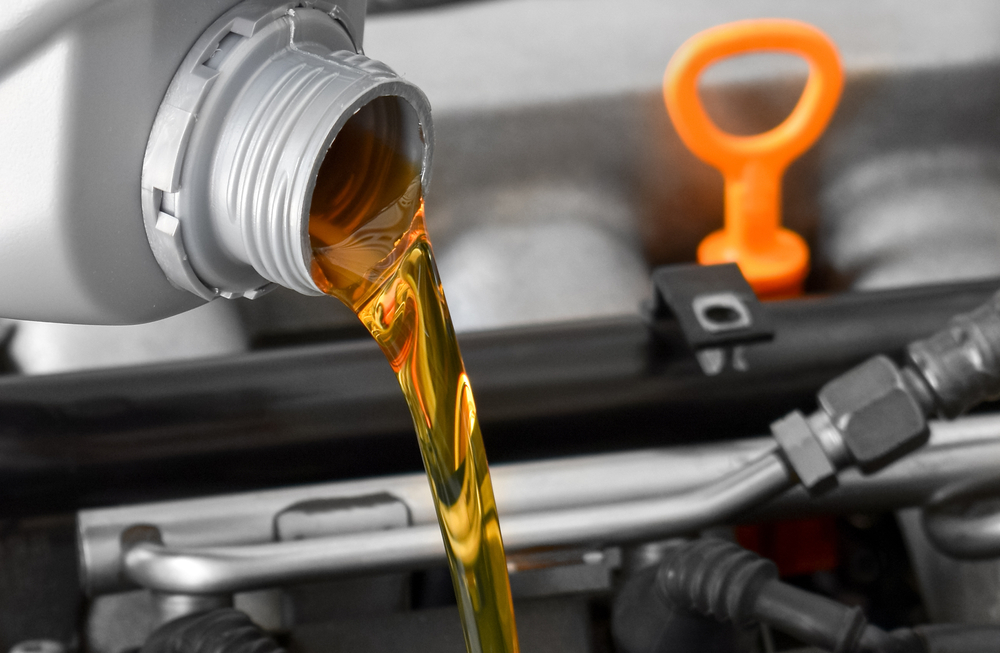
Credit: www.cbac.com
Environmental Considerations
Car oil plays a big role in engine health and performance. It also impacts the environment. Oil spills and waste can harm soil and water. Understanding how to manage car oil helps protect nature and wildlife.
Proper Disposal
Used car oil must never go into drains or soil. It contains harmful chemicals that pollute water and land. Take old oil to recycling centers or auto shops. Many places offer free oil disposal services. This stops pollution and helps reuse valuable materials.
Eco-friendly Oil Options
Synthetic and bio-based oils are cleaner choices. They break down faster and cause less pollution. These oils reduce the need for frequent changes. Using eco-friendly oil lowers environmental damage. Choose oils with certifications for green standards.
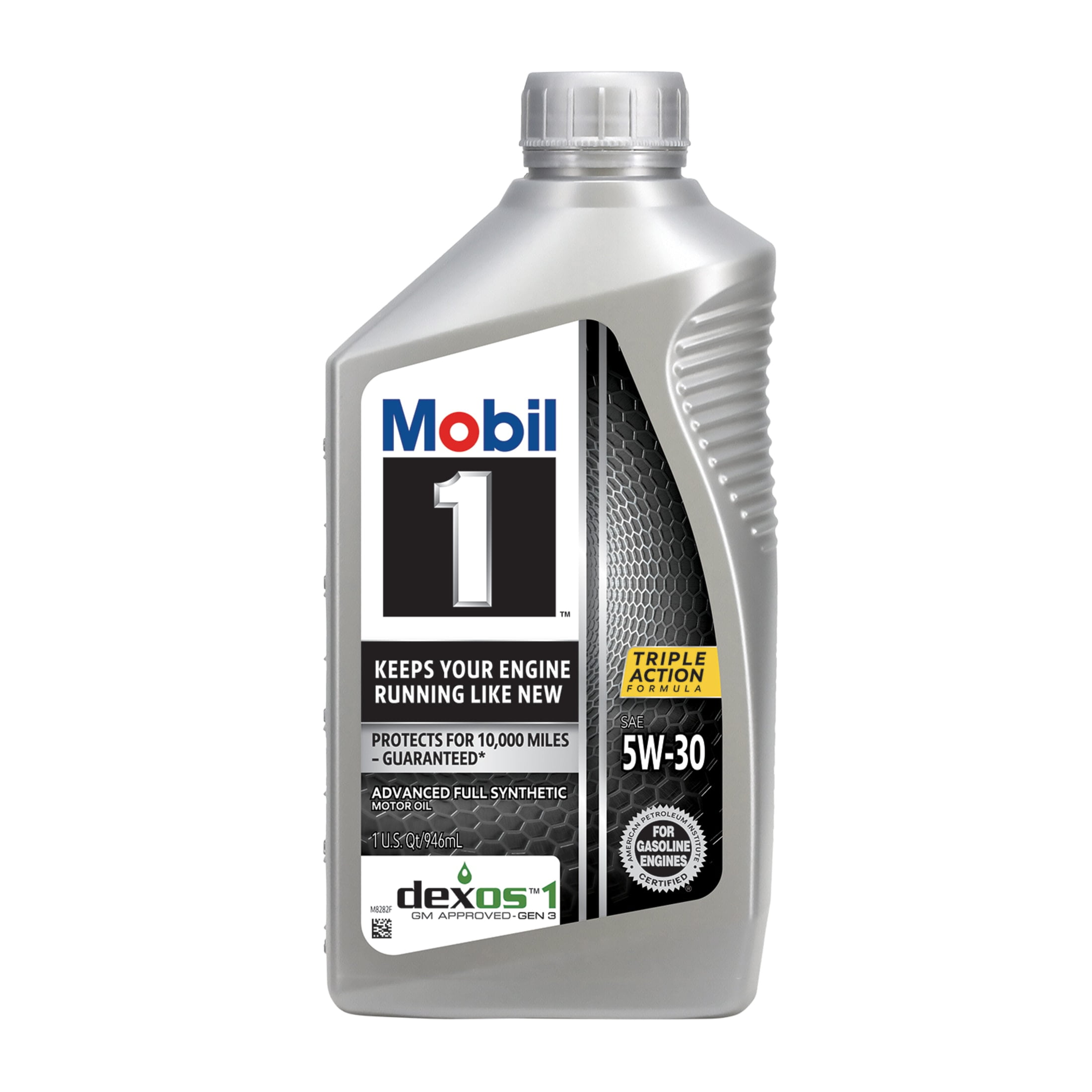
Credit: www.walmart.com
Frequently Asked Questions
What Are The Main Types Of Car Oil?
Car oil types include conventional, synthetic, and blend oils. Each type offers different engine protection and performance benefits. Synthetic oil lasts longer and performs better in extreme temperatures. Conventional oil is more affordable but requires frequent changes. Choose based on your car’s needs and manufacturer recommendations.
How Often Should I Change My Car Oil?
Most experts recommend changing car oil every 5,000 to 7,500 miles. Synthetic oils may allow longer intervals, up to 10,000 miles. Check your vehicle’s manual for specific guidance. Regular oil changes keep the engine clean and running efficiently. Neglecting oil changes can cause engine damage.
Can Using The Wrong Car Oil Cause Damage?
Yes, using incorrect oil viscosity or type can harm your engine. Wrong oil can reduce lubrication, increase wear, and cause overheating. Always use oil that meets your car manufacturer’s specifications. Consult your owner’s manual or a professional mechanic for advice.
Proper oil ensures optimal engine performance.
Why Is Synthetic Oil Better For Cars?
Synthetic oil offers superior engine protection and lasts longer than conventional oil. It performs well in extreme temperatures and reduces engine wear. Synthetic oil also improves fuel efficiency and keeps the engine cleaner. Though more expensive, it is cost-effective over time due to longer change intervals.
Conclusion
Car oil plays a key role in keeping your engine healthy. Regular oil changes help prevent damage and improve performance. Choosing the right oil type suits your car’s needs best. Check your car manual for oil recommendations. Clean oil helps your engine run smoothly and last longer.
Don’t wait too long between oil changes. Small steps like this save you money and trouble later. Keep your car oil in good shape for safe, efficient driving. Simple care makes a big difference.
Recent Posts
10 Best License Plate Frames for Popular Cars: Stylish & Durable Picks
Have you ever struggled with a loose or rusty license plate frame that just won’t stay put? It’s frustrating when your car’s look feels unfinished or when a noisy frame distracts you on every...
Best Tesla Model 3 & Model Y License Plate Frames No Drill Options
Have you ever struggled with installing a front license plate on your Tesla Model 3 or Model Y? Drilling into your sleek car’s bumper can feel wrong and risky.It’s frustrating to think about...